Shanghai industrial video production works best when the facility visit has a clear editorial purpose. A film can show how an operation works, introduce an engineering team or explain a product application. Start with the question the viewer needs answered, then identify the people, processes and evidence available at the site. Shoot In China coordinates filming and production support for industrial assignments in Shanghai and surrounding locations.
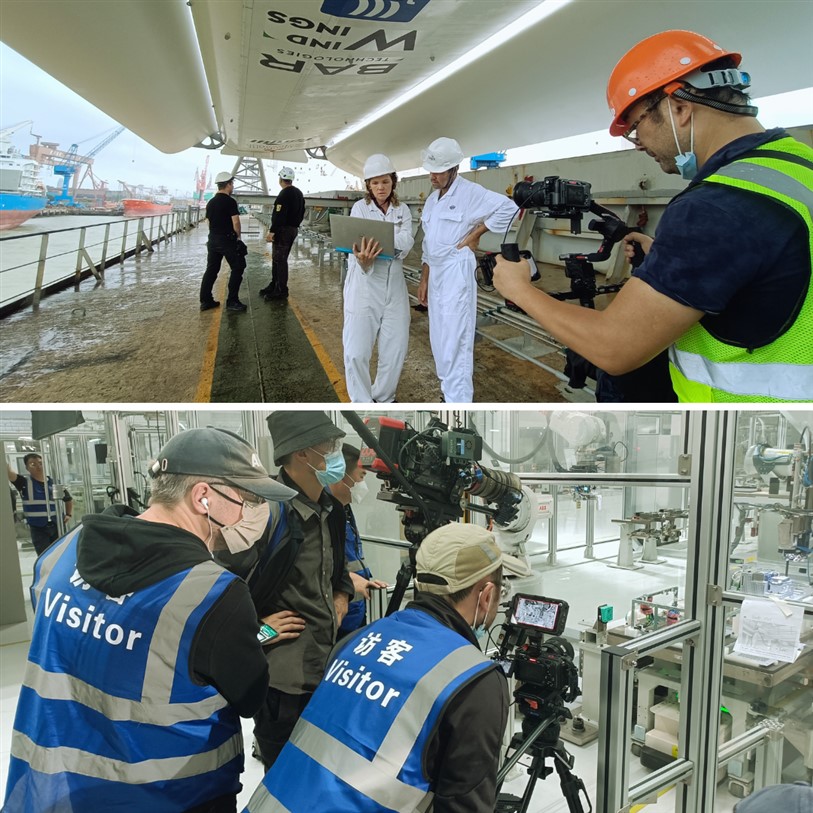
Choose the story before choosing every machine
Ask the client to select one primary use: sales, company introduction, recruitment, technical explanation or internal communication. These uses may share footage, but they do not automatically share an edit. Write a short outline explaining the opening question, the process or people that answer it and the final takeaway.
For each proposed statement, name the person who can verify it. A visual of a busy line can show activity; it cannot alone substantiate a capacity figure or a quality claim. Keep unapproved figures, customer names and technical assertions out of the recording brief until the client supplies approved wording.
Build a route that produces an understandable sequence
Walk through the proposed filming route with an engineer or operations contact. For each essential stage, identify the input, action and result. Plan a wide view for context, a useful operational angle and a detail that shows the result. Record which stages must be shown in order and which can be explained with a diagram.
Mark fixed operating windows and actions that cannot be repeated. Fit general exteriors and office shots around those windows. The Shanghai factory shoot guide covers the host’s preparation; the industrial videographer page focuses on camera coverage and rushes.
Use the engineer’s explanation to guide interviews
Prepare questions that connect the process to the audience’s question. Ask what enters a stage, what changes and how the result is checked. Keep a list of terms, units and product names for the technical reviewer. Record approved pronunciations and speaker titles before editing begins.
Test a quieter interview room separately from the production floor. Agree how much time is needed for lighting and sound before the speaker arrives. When an interview conflicts with an essential process window, choose an order or provide separate coverage instead of assigning both tasks to the same operator.
Separate access approval from content approval
Name the site escort, the person checking confidential views and the person authorised to approve the final film. They may be different people. Review screens, drawings, labels, prototypes and background activity during the scout, then identify a practical route for resolving questions on the day.
For additional facilities outside Shanghai, list the exact addresses and each host’s availability. Decide which crew and kit travel and which are sourced for each stop. Leave room for arrival, loading, induction and a technical check rather than budgeting only the journey between city centres.
Hand over a film-ready record
At wrap, compare the required sequences with the shot log. Record missing stages, restricted scenes and any process changes affecting the edit. Check the agreed media copies and identify the recipient. Supply interview names, terminology notes and a contact for follow-up technical questions.
Review the first edit for process order and factual meaning before polishing graphics or subtitles. Agree the final duration, crops, languages and review rounds in the scope. For broader campaign work, see Shanghai video production.
Brief the production team
Email [email protected] with the purpose, facility address, dates, essential processes, speakers, technical reviewer and required outputs. State whether the assignment is filming only or includes development and editing. This makes the proposed crew and production scope easier to assess.