A British producer in China can help an overseas team turn an English-language creative brief into a workable local production plan. The useful booking questions concern the individual’s role, communication style, availability and decision-making authority. Nationality alone does not establish who will manage suppliers, interpret interviews or approve a budget.
Shoot In China’s existing team profile describes Matt Clarke as a UK-trained producer with BBC experience who moved to China in 2005. He works alongside Clark Wang and the wider China production team. Confirm the proposed person and dates directly when making an enquiry; a team biography is not a booking confirmation.
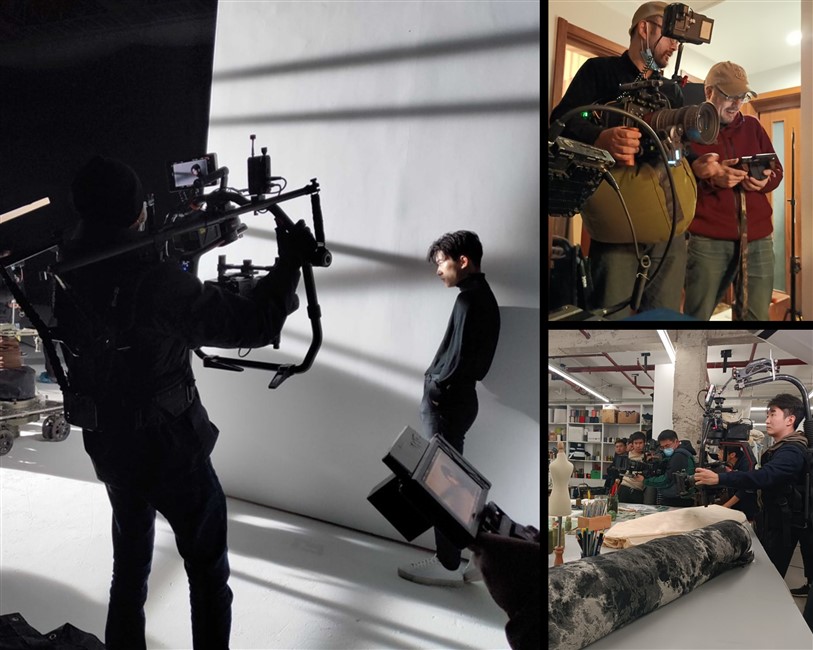
Match the producer to your production stage
Identify whether you need development, prep, shoot attendance or post-production coordination. A producer advising on a treatment is doing a different job from one managing the daily schedule. For an interview pickup, the central task may be aligning the visiting director, speaker and local crew; a campaign may require a much broader supplier and approval structure.
Ask which relevant assignments the proposed producer can discuss and what their role was. A useful conversation covers a comparable scheduling or communication problem and how decisions were handled. Agree whether they are your main client contact or working under another production lead.
Separate producer, director and local coordination duties
Write a responsibility list before booking. It should identify who owns the creative approach, budget, supplier confirmations, site access, interview preparation, language support and media handover. One individual may cover more than one role on a compact shoot, but the schedule must allow for those tasks.
Use the China bilingual producer page for local production coordination and English-speaking director for creative direction. For work centred on Shanghai, see Shanghai English-speaking producer support. The scope should state which people attend each stage.
Prepare a brief that survives translation into a shoot plan
Supply the audience, intended use, creative references, essential messages and deliverables. Mark what is already approved and what remains a proposal. Separate a visual reference from a request to reproduce an exact location, technique or performance. Explain the reason behind important creative choices so the local team can propose workable alternatives.
Create a short vocabulary sheet for product names, job titles and technical terms. Identify who checks interview meaning and who signs off subtitles. Spoken English communication with the client does not automatically include specialist translation or every contributor language.
Agree decisions and escalation for remote shoots
Set review windows in both time zones. Name one overseas approver and a backup, then specify what the producer can decide locally if neither responds. Typical decisions include replacing an unavailable shot, changing an interview order or accepting a proposed kit substitution. Budget changes should follow the agreed approval process.
Test the viewing and feedback method before the shoot. Confirm whether the client sees live monitoring, uploaded clips or scheduled stills, and what happens when that method is unavailable. Keep a decision log with the issue, proposed option, approver and time. The crew coordination guide explains shared briefings and version checks.
Compare bookings using the same assumptions
Request an itemised scope covering preparation days, attendance, working hours, travel, supplier management and post-production coordination. Confirm exclusions and how date changes or additional work will be quoted. Comparing only a day rate can conceal a difference in what the producer is actually expected to deliver.
State who contracts suppliers and who approves expenditure. Agree how changes are recorded and how the latest schedule is distributed. Clear authority matters more than a general promise of full support.
Finish with a production handover
Ask for the current call sheet, supplier and location contacts, outstanding decisions, media-transfer status and post-production responsibilities. Assign an owner and deadline to each unfinished item. This allows an overseas editor or follow-on producer to continue without reconstructing the shoot from informal messages.
To discuss a booking, email [email protected] with dates, cities, the draft brief, expected producer responsibilities, remote review needs and the delivery deadline. Ask for confirmation of the proposed individual and cover arrangements before committing the schedule.