Hong Kong has long been one of Asia’s most active production environments. Its dense skyline, distinctive architecture, harbor landscapes, and fast-paced urban culture have attracted filmmakers for decades. International commercials, documentaries, television programs, and branded content regularly use the city as a filming location.
For visiting productions, assembling a reliable Hong Kong camera crew is a key step during pre-production. The city maintains a deep pool of experienced camera professionals who work across advertising, television drama, feature films, and corporate content.
Because Hong Kong’s production industry developed alongside international cinema, many local crews are accustomed to global filming standards. Camera teams often collaborate with directors, agencies, and producers from different countries.
Understanding how camera departments operate in Hong Kong helps international producers integrate local crews into their production workflow. Crew structure, equipment logistics, and location conditions all influence how camera teams work in the city.
This guide outlines how Hong Kong camera crews typically function and how international productions organize filming within the city.
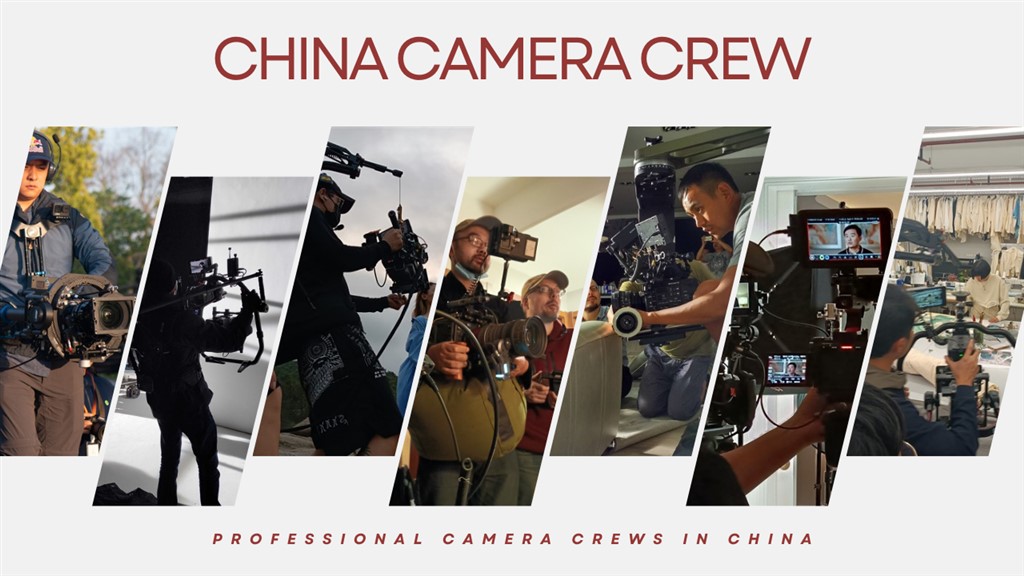
Structure of a Hong Kong Camera Crew
Camera crews in Hong Kong generally follow the same professional structure used in international productions. Crew size varies depending on the scale and complexity of the project.
A typical camera department may include:
- director of photography
- camera operator
- first assistant camera or focus puller
- second assistant camera
- digital imaging technician on larger productions
For smaller interviews, confirm whether the booking covers camera only or also sound, lighting and media backup. List each role explicitly, including who checks interview audio and who hands footage to the editor. A Hong Kong fixer can coordinate the venue and call sheet separately from technical crew duties.
Commercial productions often involve a larger team to manage complex camera setups, multiple lenses, and monitoring systems.
Each role focuses on a specific technical responsibility, allowing the camera department to operate efficiently during fast-paced filming schedules.
Collaboration With International Creative Teams
Many productions filmed in Hong Kong involve directors, producers, and agency representatives traveling from overseas. These visiting creative teams often rely on locally hired camera crews to execute the visual plan.
During pre-production, the camera department works with the director to determine the visual approach of the project.
Discussions may involve topics such as:
- camera systems and formats
- lens selection
- camera movement techniques
- lighting integration
Because international productions often operate under strict timelines, clear technical planning helps ensure that camera setups can be executed quickly once filming begins.
Hong Kong camera crews are accustomed to adapting to different directing styles and production environments.
Equipment Infrastructure and Technical Resources
Hong Kong maintains a strong technical infrastructure supporting film and video production. Rental houses supply professional camera systems, lenses, lighting equipment, and grip tools used across the industry.
Most productions source equipment locally rather than transporting gear internationally.
Local rental houses typically provide:
- digital cinema cameras
- cinema lens sets
- monitoring and wireless video systems
- camera stabilization and support equipment
Camera assistants coordinate with rental technicians to assemble and test equipment packages before filming.
Before filming, test the agreed recording format, lenses, power, monitoring and audio reference feed together. Confirm the exact kit and accessories in writing; the camera rental checklist covers prep questions.
Reliable equipment infrastructure allows productions to operate efficiently even when schedules are compressed.
Camera Movement and Visual Techniques
Camera movement plays a central role in shaping visual storytelling. Hong Kong productions frequently employ a range of movement techniques depending on the creative requirements of the project.
Common camera movement systems include:
- handheld camera rigs
- gimbal stabilization systems
- track and dolly setups
- crane or jib arms
Commercial productions often combine several of these techniques within a single shoot.
Grip teams work alongside the camera department to assemble movement equipment and ensure stability during filming.
Because many Hong Kong locations are compact or crowded, crews often adapt camera setups to fit within tight physical spaces.
This flexibility allows productions to maintain visual quality even in complex urban environments.
Location Constraints and Urban Filming Conditions
Hong Kong’s dense urban landscape creates unique filming conditions. Narrow streets, tall buildings, and heavy pedestrian traffic influence how camera crews approach location setups.
Public spaces often require careful coordination with property managers or local authorities when large equipment setups are involved.
As a result, camera teams frequently use compact equipment packages that allow them to work efficiently in confined areas.
Location scouting helps determine where camera positions can be placed and how movement systems will operate within the available space.
Careful planning ensures that filming can proceed smoothly without disrupting surrounding activity.
Bilingual Communication on Set
Hong Kong’s international production environment benefits from widespread use of English within the film industry. Many camera professionals communicate comfortably with international crews.
This reduces language barriers that sometimes arise in cross-border productions.
However, productions involving local communities, property managers, or public locations may still require bilingual coordination.
Production coordinators or fixers often assist with communication between departments.
Clear communication ensures that camera setups, lighting adjustments, and shooting schedules remain synchronized across the entire production team.
Create a separate camera work package for each location
If a Hong Kong shoot connects to another filming city, name the camera lead, rental contact, technical prep appointment and media recipient at each stop. State whether the same equipment and people travel or a local package is used. Confirm the actual arrangements rather than assuming a regional service description covers the move.
Share the required recording settings, lens and framing references, sound interface and delivery specification. Ask the incoming lead to list any differences in the proposed kit. Check a representative sample when continuity matters; a matching model name is not a completed acceptance test.
Track assets and decisions through the handover
Give each day or location a clear identifier and keep the camera report, media status and client decisions with it. Record who has received the files and which copies were checked before responsibility moves to another team.
Maintain separate host contacts, access windows and technical responsibilities for each stop. The Hong Kong fixer can handle local coordination; the camera department should report the status of the recording package and coverage it is handing over.
Practical Considerations for International Producers
Working with a Hong Kong camera crew provides international productions with access to experienced professionals who understand both local filming conditions and global production standards.
For producers planning projects in the region, early coordination of crew, equipment, and locations helps ensure efficient filming.
Hong Kong offers a unique combination of visual diversity, technical expertise, and logistical efficiency. The city’s camera crews regularly operate across commercials, documentaries, and corporate productions, making them well equipped to support international projects.
When production teams approach Hong Kong with careful planning and realistic expectations, the city can provide a highly effective environment for executing visually sophisticated filming projects.