Hiring a China industrial videographer starts with a practical question: what must the visiting editor be able to understand from the footage? A list of machines is not a coverage plan. Define the process, the people who can explain it and the shots that prove each important step before choosing a camera package.
Shoot In China coordinates industrial videographers and bilingual production support. This page focuses on booking and briefing the camera team. For concept development and finished films, see industrial video production. For a Shanghai assignment, use the Shanghai industrial videographer page.
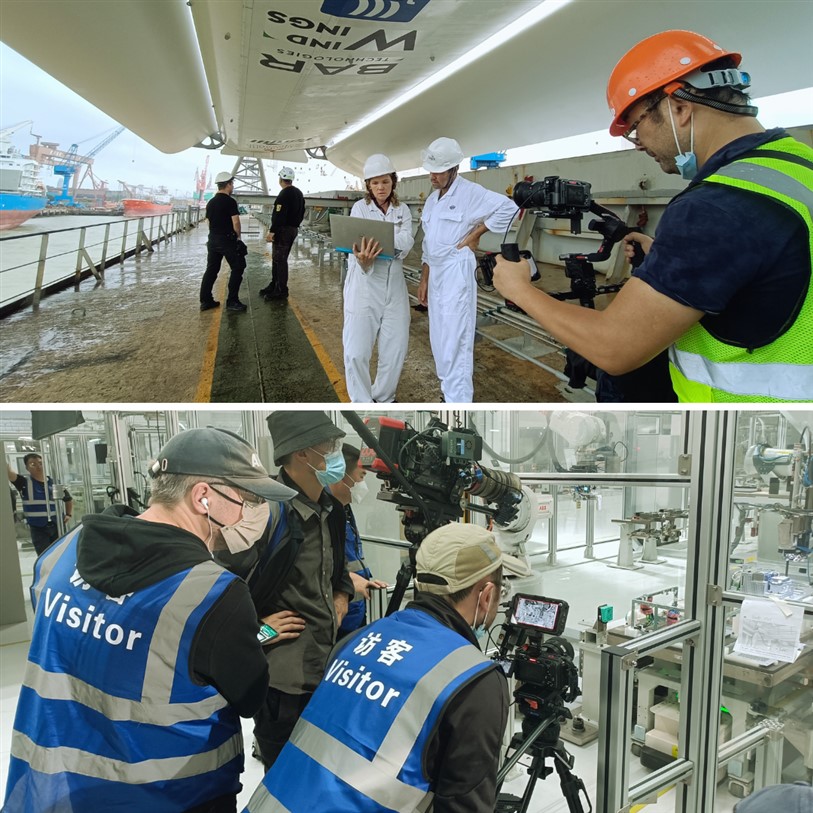
Choose the crew around simultaneous tasks
A compact assignment may involve one operator filming a prepared route. Adding an interview, moving lighting, recording sound and obtaining client decisions creates separate jobs. Ask who performs each task, rather than assuming that a single videographer covers the entire production.
- Operator: framing, exposure, movement and agreed recording settings.
- Sound recordist: interview microphones, monitoring and sound files when dialogue is required.
- Camera assistant or media handler: lens changes, camera support and verified transfers as specified.
- Producer or site coordinator: access, contributor timing, interpretation and client decisions.
Crew size should follow the schedule and site conditions. If an interview and a non-repeatable process happen together, decide which takes priority or book separate coverage. Do not schedule both against the same operator.
Turn a process diagram into filmable evidence
For every essential stage, record the input, visible action and output. Add an establishing view showing where it happens, a medium view explaining the operator or machine interaction, and a detail showing the result. Ask an engineer to identify the detail that would make the sequence technically misleading if missed.
A useful shot record contains: process name, approved camera position, operating window, site escort, action to capture, continuity reference and whether a repeat is possible. Mark must-have shots separately from attractive general views. The factory filming guide covers site preparation.
Review work samples for the assignment you have
Ask to see relevant complete sequences rather than judging only a fast montage. For an interview assignment, listen to dialogue. For machinery coverage, check whether the edit explains an operation. Discuss whether the proposed person shot, directed or edited the example so their contribution is clear.
Confirm the individual, dates, working hours, travel arrangements and included kit in the booking. Record what happens if the shoot moves to another city or extends beyond the agreed hours. A national service page does not establish that the same operator is available at every location.
Prepare a technical check with the editor
Agree resolution, frame rate, recording format, colour workflow, audio expectations and file naming before arrival. Test the actual camera and lens combination when a particular look or delivery requirement matters. Request approval before replacing a specified item; a brand name alone does not define compatibility.
During the scout, identify reflective surfaces, restricted screens, mixed lighting and an interview space where sound can be checked. Route equipment and camera movement through the site contact. The production team should follow the facility’s instructions for access and safe working positions.
Define the rushes handover
Decide whether the booking delivers camera originals, organised rushes, selected clips or an edited film. State who makes and checks copies, which party provides drives, and when media can be released or cleared. Keep a log of missing shots, unusable sound and any process changes that affect the edit.
Before wrap, review the must-have list with the client representative. If a stage was unavailable, document the gap and agree a follow-up or an alternative explanation. This makes the handover useful to an editor who was not at the factory.
Send a focused industrial filming brief
Email [email protected] with site addresses, dates, process priorities, interview count and languages, filming windows, crew responsibilities and the required handover. Include reference footage and the name of the technical reviewer. These details help scope an operator booking separately from a full production.