Hiring a Beijing videographer is easier when the brief specifies what must be captured and how the footage will be used. A seated interview, a live event and a documentary pickup create different demands on camera, sound and coordination. Shoot In China supports local videographer bookings and production planning for visiting and remote teams.
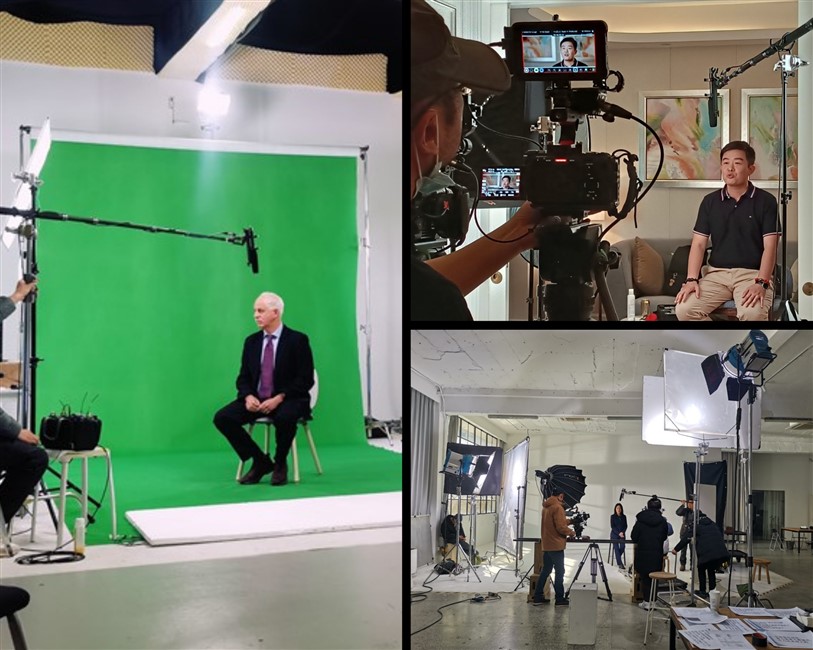
Choose coverage for the assignment
For an interview, confirm the speaker count, languages, expected interview length and the room available for preparation. Decide whether a second angle is useful for the edit and who asks questions. Record sound, lighting and interpretation as separate responsibilities; the word videographer does not establish that all those jobs are included.
For an event, list the sessions and moments that cannot be repeated. Identify whether you need complete speeches, highlights, audience reactions, backstage coverage or same-day clips. If important activities occur simultaneously, choose a priority or discuss additional operators.
For documentary pickups, supply the story context, subjects, essential scenes and the editor’s gaps. Agree what can change in the field and who approves a new direction. Separate contributor research and access coordination from the operator’s camera responsibilities.
Confirm the room and the route
Send exact addresses, building entrances, host contacts and access windows. Ask for current photos and identify a quiet interview space. Allow time for loading, registration, setup and a test before the contributor or event begins. A booking in Beijing does not establish how long travel between two specific venues will take.
For institutional or company locations, obtain the host’s current filming arrangements and identify the person who can resolve access questions. A Beijing bilingual fixer can coordinate the local schedule, while the camera team focuses on coverage.
Agree camera and sound requirements with the editor
Confirm recording format, frame rate, colour workflow, audio tracks and media handover. If you need an event sound feed, ask the venue what it can provide and arrange a test with the recordist. Do not assume a microphone audible in the room produces a usable recording feed.
Discuss the actual camera package, batteries, media and accessories for the dates. Use Beijing equipment rental for a kit request. Approve substitutions before the shoot when they affect the edit or operation.
Define who covers the interfaces
Name the camera lead, sound lead, client decision-maker and person checking copies. For a compact booking, one person may carry several duties, but the schedule must leave time for each. The Beijing camera crew guide explains the wider department structure.
For remote work, test the review method and agree when the client can respond. Give the operator an approved priority list and a fallback contact. Log missed scenes or changes so the editor knows why the delivered footage differs from the original brief.
Check delivery before wrap
Review essential coverage, speaker names, shot notes and media-copy status with the client contact. Specify whether the booking delivers camera originals, selected clips or an edited film. Agree the transfer recipient, deadline and responsibility for retained media.
Email [email protected] with dates, exact locations, shoot type, speakers or event schedule, priority scenes and deliverables. This supports a focused booking rather than a generic promise to cover every production need.