A Beijing bilingual fixer helps a production connect its brief to the people, locations and practical arrangements needed on the day. The useful starting point is a list of open tasks: who needs contacting, what access is unconfirmed and which local conversations require language support. Shoot In China coordinates fixer and production support for visiting and remote teams.
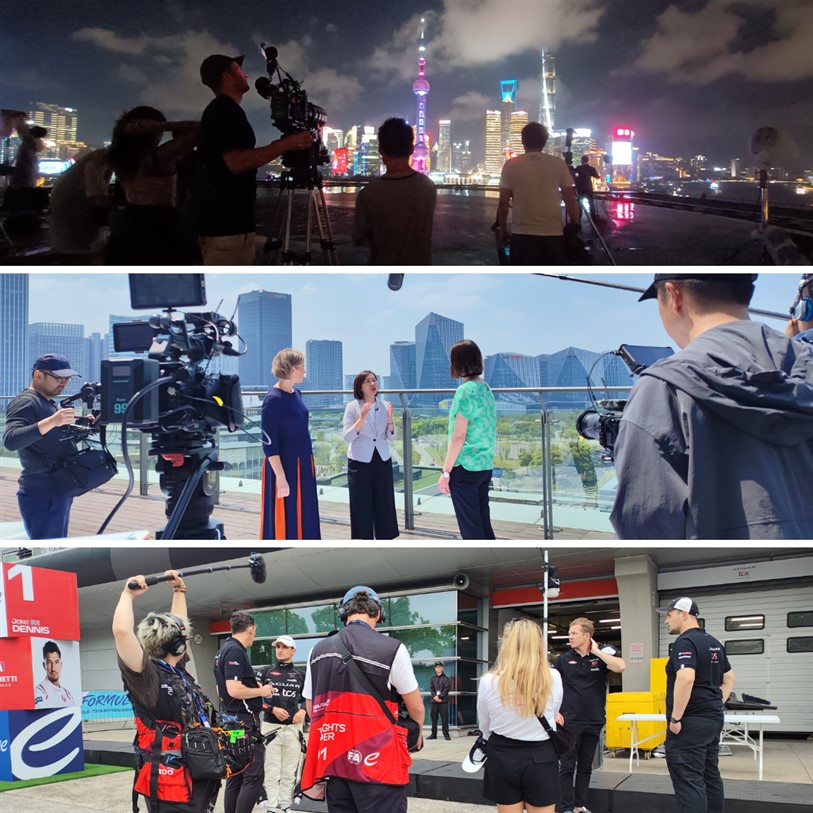
Separate research from confirmed arrangements
For each location or contributor, record whether it has been researched, contacted, provisionally discussed or confirmed. A suitable venue is not a booking, and an introduction to a contributor is not agreement to an interview. Add the contact person, next action and confirmation deadline to each item.
Give the fixer the project purpose, intended use, proposed questions, crew footprint and equipment needs. Ask what the host or contributor needs to review before agreeing. Keep unresolved conditions visible in the plan instead of presenting a tentative discussion as secured access.
Prepare contributor communication
Name the person responsible for the editorial questions and the person interpreting them. Send a brief explanation of the interview, the expected duration, language and practical arrangements. Check names, job titles and specialist terminology before recording.
During an interview, a fixer managing arrivals or venue questions may not be available to interpret continuously. If both tasks run together, agree separate cover. Keep editorial decisions with the appointed director or producer, and confirm who approves translated selects or subtitles.
Build an address-based Beijing call sheet
Record each entrance, meeting point, local contact and access window. Include time for arrival, equipment unloading, registration and setup. Confirm who accompanies the team and where equipment can be staged. Do not treat a list of well-known locations as confirmation that filming is available there.
For a company or institution, obtain the current host requirements for the actual crew and activity. Assign an owner to every remaining approval or access question. Have an alternative room, interview order or simplified shot list ready if the preferred arrangement changes.
Distinguish fixing from technical and budget authority
The fixer can coordinate local communication without automatically operating a camera, recording sound or approving expenditure. List these roles explicitly. For operators, see Beijing videographer and Beijing camera crew. A broader bilingual producer scope may include planning and client approval responsibilities.
Record who contracts suppliers, who can authorise a cost change and who distributes the latest schedule. When a contributor or room becomes unavailable, log the proposed alternative and its effect on timing before changing the brief.
Close with an actionable handover
At wrap, reconcile contributor attendance, locations visited, missing material and outstanding permissions or client decisions. Hand the editor speaker names, terminology notes and the contact for follow-up questions. Confirm which media duties were included and who has accepted the files.
Send [email protected] the dates, locations, project purpose, target contributors, language needs and unresolved tasks. Specify whether you need research, prep, shoot-day attendance or continuing production coordination so the proposed scope can be assessed.