Lens selection plays a defining role in the visual character of any film or video production. While cameras determine recording formats and resolution, lenses influence how images feel on screen. Contrast, sharpness, focus falloff, and color rendering are all shaped by the optical characteristics of the lens system.
For international productions filming in China, sourcing cinema lenses locally is often the most efficient approach. China’s major production cities maintain extensive rental inventories that include high-end cinema lenses used on commercial campaigns, narrative productions, and documentary projects.
These rental systems allow cinematographers to assemble lens packages tailored to the visual style of each project. Cooke, Zeiss, and Angenieux lenses are among the most commonly requested options for international productions.
Understanding how lens rental works in China helps producers plan camera packages effectively and integrate lens selection into the broader production workflow.
The Cinema Lens Rental Ecosystem in China
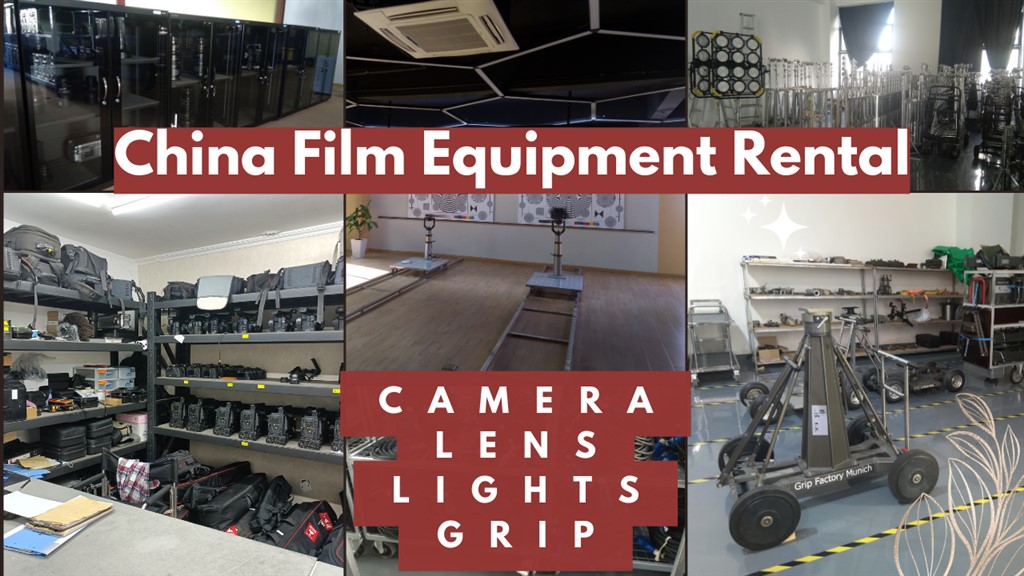
China’s film and commercial production industry has developed a mature equipment rental infrastructure. Specialized rental houses supply camera bodies, lenses, lighting systems, and grip equipment to productions across the country.
Major production hubs such as Shanghai, Beijing, Shenzhen, and Guangzhou host rental facilities capable of supporting large-scale productions. These facilities maintain extensive inventories of professional cinema lenses.
Lens rental typically operates as part of a complete camera package. Cinematographers work with rental technicians to assemble lens sets that match the requirements of the production.
Because commercial shoots frequently involve tight schedules, rental houses often prepare lens kits in advance so that equipment can be delivered directly to the filming location.
Allow time to prepare and test the confirmed lens package before the first essential shot.
Why Cinematographers Prioritize Lens Selection
Cinematographers often consider lens choice one of the most important creative decisions in production. Different lens families produce distinct visual characteristics that influence the overall tone of a project.
Some lenses emphasize high contrast and sharpness, while others produce softer focus transitions and warmer color tones.
Lens selection also affects:
- depth of field characteristics
- distortion and perspective
- color rendering
- highlight roll-off
Because these characteristics influence how audiences perceive the image, cinematographers frequently conduct lens tests before filming begins.
Request a prep session with the actual camera body, mount or adapter, recording mode, filters and focus system. Test image coverage, close focus, focus marks, breathing and flare against the intended look, rather than choosing by brand alone. The camera rental guide covers the wider package checks.
Compare the actual lens set rather than a brand description
Cooke, Zeiss and Angenieux each cover multiple lens families. A brand label does not identify the exact optical character, mechanics or package available for your dates. Ask for the family, focal lengths, mount and proposed individual items, then have the cinematographer choose what needs to be tested.
Use representative faces, products, backgrounds and light sources from the brief. Keep the camera configuration and viewing workflow consistent when comparing samples. Record which image characteristics matter to the film and which practical constraints matter to the crew, rather than assigning one look to every lens carrying a name.
Compare the shooting task as well as the sample image
For a prime or zoom proposal, discuss the required focal range, lens changes, camera movement, close subjects and time available for setup. Confirm the support and accessories for the actual combination with the camera assistant. A preferred visual reference and a workable operating package should both be reviewed before booking.
When several cities use separate sets, request the proposed item lists and representative test clips. Record approved substitutions and any differences the editor should know. Matching brand names or similar inventory lists are not evidence that two packages have been tested together.
Lens Packages and Camera Compatibility
Lens rental is closely connected to camera selection. Different camera systems require compatible lens mounts and optical coverage.
When assembling camera packages, cinematographers evaluate several technical factors:
- lens mount compatibility
- sensor coverage
- focal length range
- focus mechanics
Rental technicians often assist with these decisions by confirming that lenses integrate correctly with the chosen camera system.
Adapters may also be used in some cases to expand compatibility between lenses and camera bodies.
Confirm lens weight and support, matte-box clearance, filter size, focus-motor mounting and balance for handheld or stabilized work. A cinematographer and camera assistant should approve the tested configuration before filming.
Equipment Logistics and Local Rental Advantages
For international productions filming in China, renting lenses locally offers significant logistical advantages. Importing lens equipment through customs can involve complex documentation and transportation planning.
Local rental infrastructure avoids these complications.
Rental houses maintain extensive inventories of cinema lenses that meet international production standards. Equipment can often be delivered directly to filming locations or production offices.
This flexibility allows cinematographers to adjust lens packages quickly if creative requirements change during pre-production.
Agree the technical support contact and replacement options before booking. Availability and response time depend on the city and lens set. For multi-city filming, record the exact lens family, focal lengths, mount and approved substitutes at each stop.
Cross-City Productions and Equipment Coordination
Many productions in China operate across multiple cities. Commercial campaigns may combine scenes filmed in urban centers with factory locations or rural landscapes.
Transporting lenses between cities requires careful coordination. In some cases, productions ship their entire camera package from one location to another.
In other situations, separate rental houses provide equivalent lens sets in different cities.
Check the proposed set at each location and compare representative recorded samples before accepting continuity across locations.
Production teams typically coordinate equipment logistics during early pre-production planning.
Working With Camera Departments and Assistants
Lens management on set usually falls to the camera department. Camera assistants handle tasks such as lens changes, focus calibration, and cleaning.
These assistants work closely with the cinematographer to ensure that lenses are prepared for each shot.
Responsibilities often include:
- mounting lenses on camera systems
- checking focus markings
- maintaining lens cleanliness
- managing lens storage and transport
Because lens handling requires precision and care, experienced camera assistants play an important role in protecting equipment throughout the production.
Their work helps ensure that cinematographers can focus on visual composition without technical distractions.
Practical Considerations for International Producers
For international productions filming in China, lens rental forms an essential part of camera package planning. Selecting appropriate lenses influences not only visual style but also equipment logistics and crew workflow.
Producers often consider several factors when planning lens rentals:
- the visual style of the project
- compatibility with the camera system
- availability of lenses in the filming city
- transportation requirements between locations
China’s production infrastructure provides reliable access to high-end cinema lenses used on international productions. Rental houses in major cities maintain the equipment needed for commercial campaigns, documentary projects, and narrative filmmaking.
When lens selection is integrated carefully into the overall production plan, cinematographers can achieve consistent visual results while production teams maintain efficient filming schedules.