Selecting the right cinematographer is one of the most important decisions in any production. When filming in China, this decision also intersects with production logistics, crew coordination, and equipment planning. International producers often arrive with creative concepts but quickly discover that the director of photography plays a central role in bridging creative goals with local production realities.
China’s commercial production industry includes a large pool of experienced cinematographers who regularly work across advertising, documentary, corporate communication, and narrative projects. Many directors of photography in China collaborate with both domestic productions and international crews.
For producers unfamiliar with the local industry, understanding how cinematographers operate within China’s production ecosystem can help ensure smoother collaboration and more efficient filming.
This guide explains how directors of photography typically work within Chinese productions and how international teams evaluate and collaborate with cinematographers when filming in China.
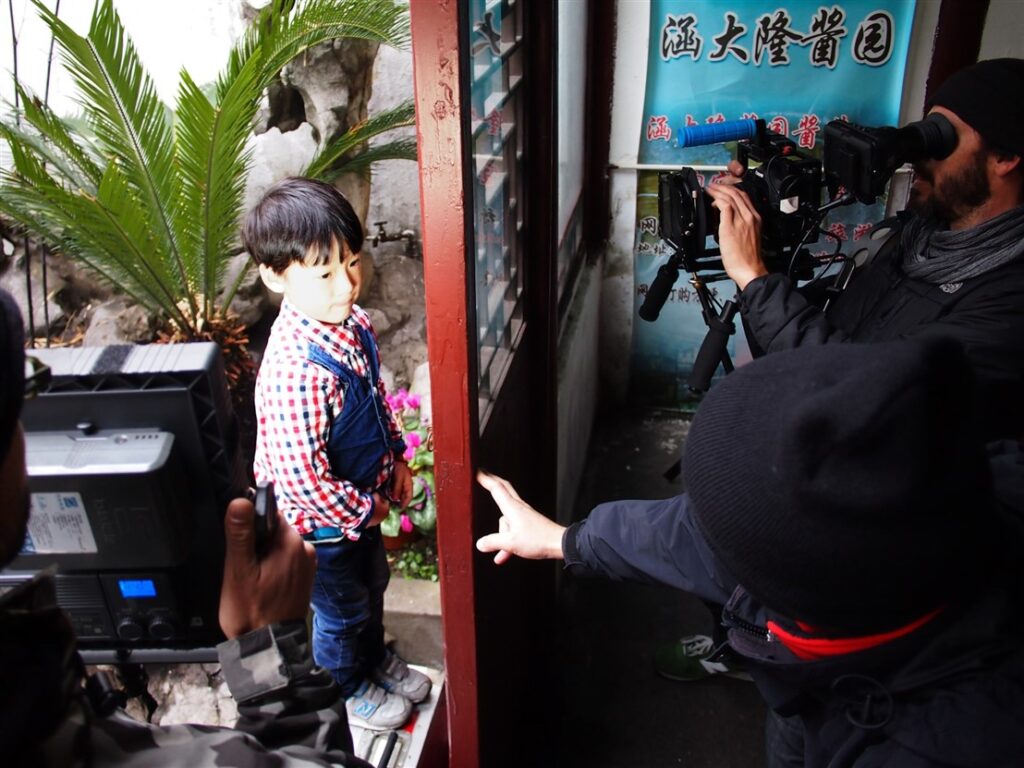
The Role of a Cinematographer in Chinese Productions
The cinematographer, or director of photography, is responsible for shaping the visual language of a production. While this responsibility is similar worldwide, the working structure in China can involve slightly different dynamics.
In many commercial projects, the cinematographer collaborates closely with both the director and the production management team. Because productions often assemble crews from freelance networks, the director of photography may also participate in recommending camera assistants, lighting technicians, and key technical staff.
This role extends beyond camera operation. The cinematographer contributes to decisions involving lighting design, camera movement, lens selection, and technical workflow.
For international productions, the cinematographer also becomes a key translator of creative intentions into practical shooting plans that align with local crew capabilities and equipment availability.
Working With International Directors and Agencies
China’s production industry frequently hosts international directors, advertising agencies, and brand representatives. In these situations, cinematographers often act as an operational bridge between creative leadership and the local crew.
Directors arriving from abroad may bring a strong visual concept but limited familiarity with the local production environment. The cinematographer helps translate that concept into a workable shooting plan.
This often involves discussions around:
• lighting strategies for specific locations
• camera systems available locally
• crew size and technical requirements
• location constraints in urban environments
The director of photography’s experience with international teams becomes particularly valuable when production schedules are tight. Efficient communication helps ensure that creative expectations remain realistic within the logistical framework of the shoot.
Equipment Planning and Camera System Decisions
Camera equipment planning is closely tied to the cinematographer’s role. Directors of photography typically advise production teams on which camera systems and lenses best suit the project.
China’s major production hubs maintain extensive rental inventories, including high-end digital cinema cameras, lens packages, lighting systems, and grip equipment. Because of this infrastructure, cinematographers often prefer sourcing equipment locally rather than importing gear.
Local rental houses also maintain experienced technical teams who prepare camera packages and assist with troubleshooting during production.
The cinematographer works with production management to confirm that equipment selections align with both creative goals and logistical realities. This planning usually takes place during early pre-production discussions.
Lighting Teams and Technical Crew Structure
Lighting design is one of the areas where the cinematographer collaborates most closely with the crew. In Chinese productions, lighting departments typically consist of a gaffer and a team of lighting technicians.
Grip crews manage rigging, camera movement equipment, and support systems such as dollies or cranes. Camera assistants handle focus pulling, camera setup, and equipment maintenance.
Because these crew members often work together across multiple projects, experienced cinematographers usually maintain relationships with trusted teams.
This familiarity helps productions move efficiently on set. When crew members understand each other’s working styles, technical setups can be completed more quickly and communication flows more smoothly.
Location Challenges and Visual Planning
China’s dense urban environments present unique visual and logistical considerations. Cinematographers working in major cities often adapt their lighting and camera strategies to fit specific location constraints.
Busy city streets, commercial districts, and industrial facilities may impose restrictions on equipment size or crew footprint. Large lighting rigs or camera cranes may require additional coordination with location management.
As a result, cinematographers frequently design lighting setups that balance visual impact with practical limitations.
Pre-production location scouting allows the cinematographer to assess these conditions early. Decisions about camera placement, lighting angles, and movement equipment often depend on what the location realistically allows.
Regional Production Differences
China’s major production centers each offer slightly different working environments for cinematographers.
Cities such as Shanghai and Beijing host many large-scale commercial productions and maintain well-developed rental infrastructure. These cities also offer diverse urban locations that support a wide range of visual styles.
Southern production hubs such as Shenzhen and Guangzhou often host projects related to technology, manufacturing, and corporate communication.
Because of these differences, cinematographers working nationwide adapt their visual approach depending on location conditions, architecture, and available production resources.
International producers benefit from cinematographers who have experience across multiple regions and understand how production conditions vary.
Scheduling and Production Efficiency
Commercial productions in China often operate under compressed schedules. Advertising campaigns, corporate projects, and branded content shoots frequently require rapid setup and execution.
The cinematographer contributes significantly to maintaining production efficiency. By planning camera setups and lighting arrangements carefully during pre-production, the director of photography helps reduce delays on set.
Clear shot lists, lighting diagrams, and equipment preparation all support efficient shooting days.
When production teams work with experienced cinematographers and established crew networks, filming schedules tend to move quickly while maintaining technical quality.
Communication Between Creative and Technical Teams
International productions often involve participants from multiple countries. Directors, agency representatives, producers, and clients may all contribute to creative discussions during filming.
The cinematographer plays a key role in maintaining clarity between creative decisions and technical execution.
During production, the director of photography communicates with:
• the director regarding visual storytelling
• lighting teams regarding setup adjustments
• camera assistants regarding equipment preparation
• production managers regarding scheduling
When these communication channels function smoothly, production teams can adapt quickly to changes in creative direction without disrupting the shooting schedule.
Evaluating a Cinematographer for China-Based Productions
Producers selecting a cinematographer for projects in China typically consider several factors beyond visual style.
Experience with international productions is often important. Cinematographers familiar with cross-cultural workflows tend to anticipate logistical challenges more effectively.
Producers may also evaluate:
• familiarity with local rental infrastructure
• ability to collaborate with bilingual crews
• experience shooting in different Chinese cities
• comfort working within compressed schedules
These factors help determine whether the cinematographer can balance creative ambitions with the operational realities of filming in China.
Practical Considerations for International Producers
Hiring a cinematographer in China involves more than selecting someone with an impressive portfolio. The director of photography becomes a key collaborator in shaping both the visual and logistical aspects of the production.
Successful projects often depend on cinematographers who understand how to adapt creative vision to local production environments. Their familiarity with crew networks, equipment availability, and location constraints helps productions run smoothly.
For international producers entering China’s production ecosystem, working with an experienced cinematographer can significantly simplify the process of turning creative ideas into practical filming plans.
When the director of photography, production management, and local crew operate as a coordinated team, China offers a highly capable environment for commercial, corporate, and documentary filmmaking.