Grip equipment forms the structural backbone of film and video production. While cameras and lighting systems often receive the most attention, grip tools allow those systems to function safely and efficiently on set. From supporting lighting rigs to stabilizing camera movement, grip equipment plays a fundamental role in both creative execution and production safety.
For international productions filming in China, grip equipment is usually sourced locally rather than transported from abroad. China’s major production centers maintain extensive rental inventories that include professional grip systems used on commercial campaigns, corporate productions, and documentary projects.
Understanding how grip equipment rental works in China helps producers plan camera movement, lighting support, and rigging systems without unnecessary logistical complications. The following guide explains how grip departments operate, what equipment is commonly rented, and how grip logistics integrate into production workflows across China.
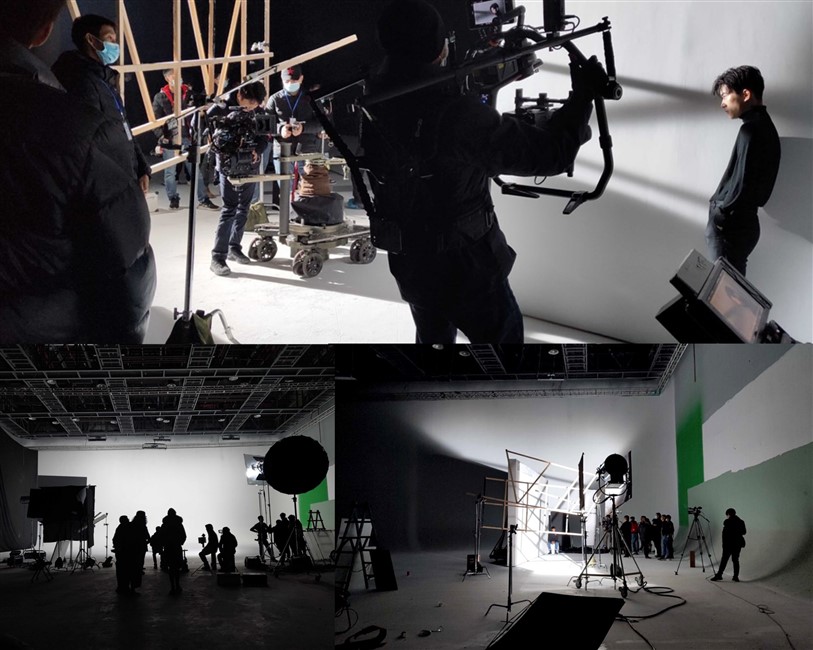
The Grip Department in Chinese Productions
The grip department is responsible for supporting camera movement systems and lighting structures. While lighting crews manage electrical fixtures, grip teams handle the mechanical equipment that positions lights and cameras safely.
Grip technicians often work under a key grip or grip supervisor who coordinates equipment setup and rigging strategies.
Typical responsibilities of the grip department include:
• assembling camera movement systems
• rigging lighting fixtures and diffusion frames
• stabilizing camera platforms
• constructing support structures for filming equipment
Grip crews collaborate closely with cinematographers and gaffers. Their work ensures that cameras and lights remain securely positioned while allowing flexible movement during filming.
In China’s production environment, grip teams are commonly assembled through established freelance networks working across multiple projects.
Common Grip Equipment Used on Productions
Grip equipment covers a wide range of tools designed to support cameras, lighting, and rigging systems.
Among the most widely used items on commercial productions are C-stands. These stands support lighting fixtures, flags, reflectors, and diffusion materials. Their adjustable arms allow precise positioning of equipment during filming.
Other frequently rented grip tools include:
• sandbags for stabilizing equipment
• clamps and mounting hardware
• diffusion frames and flags
• camera support platforms
These tools help production teams shape light and control reflections within the frame.
Although many grip items appear simple, their correct use requires experienced technicians who understand weight distribution, safety procedures, and camera placement.
Camera Movement Systems and Dollies
Grip departments also manage camera movement equipment such as dollies and track systems. Camera movement often defines the visual energy of a scene, particularly in commercial productions.
Dollies allow cameras to move smoothly along tracks, creating controlled motion during shots.
Several types of dollies are commonly used in China’s production environment:
• studio dollies for controlled interior filming
• track systems for linear camera movement
• portable dollies for smaller production setups
Grip technicians assemble and align these systems carefully to ensure smooth camera motion. Even minor track misalignment can affect the quality of the shot.
Because camera movement is often planned during pre-production, grip teams prepare the necessary equipment in advance.
Rigging Systems for Lighting and Cameras
Rigging is another major responsibility of the grip department. Rigging systems allow cameras and lights to be mounted securely in locations that standard stands cannot reach.
Examples include:
• overhead lighting grids
• suspended camera mounts
• large diffusion frames
• support structures for reflectors
Rigging setups are particularly common on commercial productions where lighting design requires precise control.
Urban filming environments sometimes present structural challenges. Limited floor space or ceiling height can restrict equipment placement.
Grip technicians adapt by building customized support systems that maintain safety while achieving the desired lighting or camera angle.
Rental Infrastructure in Major Chinese Cities
China’s production industry maintains strong rental infrastructure for grip equipment. Major cities such as Shanghai, Beijing, Shenzhen, and Guangzhou host rental houses that supply complete grip packages for productions.
These facilities stock a wide range of equipment suitable for both small crews and large commercial sets.
Grip packages are often delivered alongside camera and lighting equipment as part of a comprehensive rental package.
Rental technicians typically inspect and prepare equipment before delivery to ensure it is ready for immediate use on set.
Because productions frequently operate on tight schedules, reliable equipment preparation is essential.
Equipment Logistics and Local Rental Advantages
Renting grip equipment locally in China simplifies production logistics. Transporting heavy grip gear internationally can be expensive and complicated due to customs documentation and shipping requirements.
Local rental avoids these challenges. Equipment can be delivered directly to filming locations, and rental houses maintain spare components if replacements are required.
This flexibility allows production teams to adjust equipment packages during pre-production.
If additional stands, rigging hardware, or movement systems are needed, rental houses can often supply them quickly.
Local sourcing also reduces the transportation burden for cross-city productions.
Grip Equipment and Location Constraints
Filming locations often influence the type of grip equipment used. Indoor corporate locations, factories, and urban outdoor environments all impose different constraints.
Small offices may require compact stands and lightweight rigs. Large studio environments allow more complex camera movement systems and large lighting frames.
Outdoor filming may require additional stabilization equipment such as sandbags or ground supports to manage wind and uneven terrain.
During location scouting, grip supervisors evaluate structural factors such as ceiling height, floor strength, and available rigging points.
These observations guide equipment selection and help prevent safety risks during filming.
Cross-City Productions and Equipment Coordination
Many productions in China involve filming across multiple regions. Commercial campaigns often combine urban city scenes with industrial or rural locations.
Grip equipment must therefore be transported efficiently between filming sites.
Some productions ship the same grip package between cities using production trucks. In other cases, rental houses in each city supply equivalent equipment.
Because major production hubs maintain similar grip inventories, productions can maintain consistency across locations without transporting large quantities of equipment.
Careful planning during pre-production ensures that each location has the necessary grip systems available on schedule.
Collaboration Between Grip, Camera, and Lighting Departments
Grip departments work closely with both the camera and lighting teams throughout production.
Camera departments rely on grips to construct movement systems such as dollies and camera rigs. Lighting departments rely on grips to mount fixtures, diffusion frames, and reflectors.
This collaboration ensures that technical setups remain stable while supporting creative decisions.
During filming, grip technicians adjust equipment quickly as camera angles or lighting positions change.
Because many grip teams work regularly with the same lighting and camera crews, communication tends to be efficient and well coordinated.
Practical Considerations for International Producers
For international productions filming in China, grip equipment rental forms an essential part of technical planning. Reliable grip systems support camera movement, lighting placement, and on-set safety.
Producers typically evaluate several factors when planning grip equipment:
• the complexity of camera movement required
• the size and weight of lighting fixtures
• the structural constraints of filming locations
• the logistics of transporting equipment between cities
China’s production industry offers well-established rental networks capable of supporting both small documentary crews and large commercial productions.
When grip equipment planning is integrated into the broader production workflow, camera and lighting teams can operate efficiently while maintaining safe and stable technical setups throughout the filming process.