Multi city filming China projects require a different level of planning than single-location shoots. Filming in China across multiple regions introduces layered permits, regional crew differences, equipment availability shifts, and transport logistics that cannot be treated as secondary concerns. Production logistics China must integrate administrative sequencing, equipment rental China coordination, and bilingual crew management from the earliest planning stage.
Foreign producers often approach multi-city projects as expanded versions of standard shoots. In practice, each city operates as its own production ecosystem. Understanding how to structure cross-city production workflows reduces risk, protects schedule integrity, and stabilizes budgets.
This guide outlines how experienced teams manage multi-location shoots across China in real operational terms.
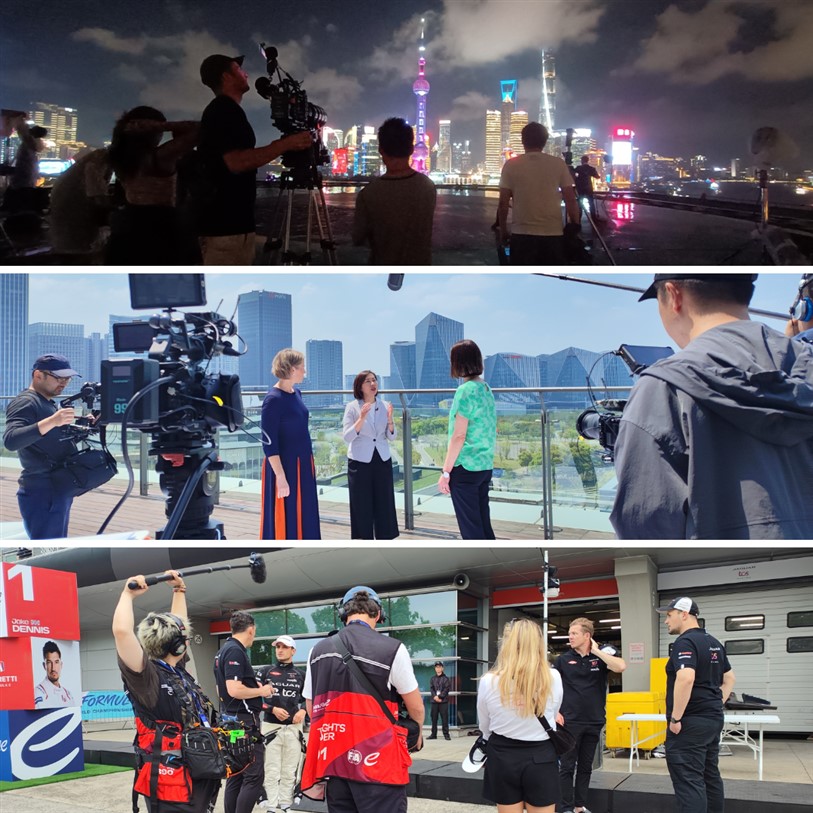
Multi City Filming China: Why It Is Structurally Different
Unlike smaller markets, China functions as a network of semi-independent production environments. Shanghai, Beijing, Shenzhen, Chengdu, and other cities each have distinct administrative processes and crew ecosystems.
Key structural differences include:
- Varying filming permits procedures
- Different equipment rental China inventory concentrations
- Regional working styles among crew
- Local authority expectations
Treating a multi-city project as a single administrative workflow often leads to delays. Each city requires its own evaluation phase.
Multi city filming China planning begins with acknowledging these differences rather than standardizing them.
Regional Ecosystems and Cross-City Production Strategy
When productions span several cities, decision-making must balance efficiency with realism.
Strategic questions include:
- Should core crew travel or be sourced locally?
- Is the camera package China available in every city?
- Does equipment transport outweigh local rental cost?
For example, a project covering corporate interviews in Shanghai and manufacturing footage in Shenzhen may benefit from traveling key creative roles while hiring local technicians.
Cross-city production efficiency often depends on blending traveling and regional resources.
Production Logistics China: Moving Equipment Between Cities
Equipment logistics represent one of the most sensitive variables in multi city filming China.
Transporting a camera package China between cities requires:
- Secure freight planning
- Equipment insurance coordination
- Realistic transport timelines
In some cases, shipping lighting gear overnight appears efficient but introduces risk if transit delays occur.
Equipment rental China decisions should consider:
- Availability of backup units
- Local technical support
- Setup time after transport
Careful sequencing ensures that equipment arrives only after filming permits are confirmed and location access is secured.
Filming Permits Across Multiple Jurisdictions
Filming permits vary not only by content type but by city interpretation.
A public commercial shoot in one region may require district-level filing, while another city may impose additional documentation steps.
Drone usage often introduces separate registration processes.
Multi city filming China requires permit mapping for each location before finalizing production calendars.
Producers should avoid locking travel and accommodation before confirming administrative timelines.
Permit sequencing directly affects crew scheduling and equipment bookings.
Bilingual Crew Integration Across Regions
Communication becomes more complex as productions move between cities.
Local crew structures differ slightly from region to region. Expectations around workflow hierarchy, timing, and reporting can vary.
A bilingual crew framework provides continuity. It ensures:
- Technical instructions remain consistent
- Creative direction translates clearly
- Safety briefings maintain clarity
Consistency across cities reduces re-explanation time and improves on-set efficiency.
Structured communication prevents small misunderstandings from expanding into operational delays.
Workflow Differences vs Western Markets
Foreign producers often expect uniformity in administrative processes. In China, flexibility must coexist with procedural awareness.
Western productions often confirm creative details first and address administrative steps later. Multi city filming China requires reversing that order.
Administrative feasibility should guide creative scheduling rather than follow it.
Understanding production logistics China as an integrated system — not a checklist — improves predictability.
Budget and Scheduling Implications of Multi-City Production
Cross-city planning introduces cost layers that are easy to underestimate.
Common variables include:
- Separate permit fees per city
- Crew accommodation and travel
- Equipment duplication or transfer costs
- Additional prep days after relocation
Budget stability depends on building transition buffers between cities.
Tight back-to-back scheduling increases risk exposure if permits or equipment arrival shift even slightly.
Realistic pacing often protects overall budget more effectively than aggressive scheduling.
Practical Example: Three-City Corporate Production
A corporate documentary required interviews in Beijing, industrial filming in Shenzhen, and exterior lifestyle shots in Chengdu.
Initial planning assumed transporting the full crew and camera package China setup throughout the schedule.
Revised planning introduced:
- Local lighting and grip hire in each city
- Core creative team travel only
- Equipment rental China partnerships in each region
Results included:
- Reduced freight exposure
- Faster setup times
- Lower cumulative travel fatigue
Multi city filming China often benefits from decentralized execution rather than centralized transport.
Communication Barriers and Coordination Risks
Communication friction increases during transitions.
Frequent challenges include:
- Differences in regional crew availability
- Varying interpretations of filming permits scope
- Inconsistent reporting formats
Structured production management ensures information flows clearly between cities.
Maintaining a unified reporting system keeps creative leadership informed without overwhelming local teams.
Coordination clarity becomes more valuable than raw speed.
Risk Management and Timeline Design
Multi-city schedules require intentional buffers.
Best practice includes:
- Confirming permit status before equipment dispatch
- Allowing equipment testing time after arrival
- Scheduling travel days separate from shoot days
- Verifying local crew availability ahead of relocation
Timeline design should reflect regional realities rather than aspirational efficiency.
Predictability is achieved through conservative planning rather than compressed calendars.
Final Perspective: Behind the Scenes of Multi-City Production in China
Multi city filming China projects succeed when planning acknowledges regional autonomy and logistical complexity.
Each city functions as its own production ecosystem. Equipment rental China availability, filming permits processes, and crew communication patterns shift subtly across regions.
Producers who integrate production logistics China early — rather than reactively — create stable workflows across multiple locations.
Behind the scenes, successful cross-city production depends less on creative ambition and more on structured coordination. When administrative sequencing, equipment planning, and bilingual crew communication align, multi-city filming in China becomes controlled and efficient rather than unpredictable.