This guide explores real-world China fixer explained scenarios through the lens of filming challenges China presents to foreign crews. Filming in China involves a unique mix of regulatory structure, regional variation, and communication differences that can surprise experienced producers. Many challenges do not come from technical complexity but from workflow expectations that differ from Western production systems.
Understanding production logistics China early helps avoid scheduling disruptions, equipment sourcing delays, and permit-related issues. This article examines practical challenges foreign teams encounter and explains how structured coordination, including the China fixer role, supports stable and predictable execution.
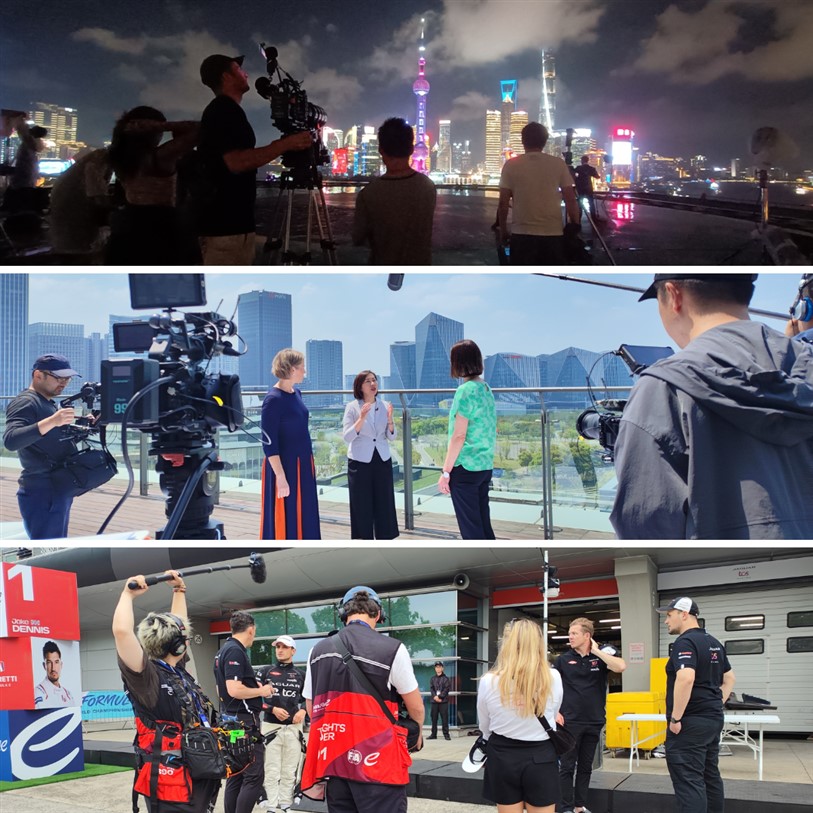
Filming Challenges China Presents Compared to Western Markets
Foreign crews often arrive with established production habits shaped by Europe or North America. China’s production environment functions differently in several key areas.
First, approval processes involve multiple stakeholders. A location might require building management authorization, local district acknowledgment, and internal security coordination.
Second, documentation standards emphasize written preparation. Even small productions may require formal paperwork in Chinese.
Third, timelines often depend on administrative steps rather than purely creative scheduling.
These differences are not obstacles when understood early. They simply require adjusted workflow planning.
China Fixer Explained Through Operational Challenges
A useful way to understand China fixer explained is by looking at situations where productions encounter friction.
Typical operational challenges include:
- Misinterpreting filming permits requirements
- Assuming equipment availability without local verification
- Communication gaps between foreign creative teams and local crew
- Underestimating cross-city production logistics
A China fixer functions as a central coordinator who integrates regulatory awareness, equipment networks, and bilingual communication into a unified workflow.
This role reduces uncertainty across departments.
Equipment and Camera Package China Challenges
Equipment rental China infrastructure is strong, especially in major cities. However, inventory distribution varies widely.
Foreign producers often assume that any camera package China setup available in one market exists nationwide.
Reality differs:
- High-end cinema gear concentrates in Tier 1 cities.
- Specialty equipment may require inter-city transfer.
- Freight coordination involves timing and documentation.
A common challenge arises when equipment is booked before filming permits are confirmed. If schedules shift, rental availability may change.
Production logistics China require aligning technical planning with administrative approval timelines.
Filming Permits and Compliance Layers
Filming permits represent one of the most significant operational challenges.
Requirements vary based on:
- Location type
- Content sensitivity
- Equipment footprint
- Drone usage
Corporate interviews inside offices often involve minimal paperwork. Public commercial filming may require district-level approval.
Foreign crews sometimes assume permits function similarly across countries. In China, regional interpretation and local relationships influence processes.
Early compliance planning prevents last-minute complications.
Communication Barriers and the Role of Bilingual Crew
Language differences extend beyond vocabulary. They influence workflow expectations and on-set communication.
Common challenges include:
- Misunderstood technical instructions
- Different interpretations of creative priorities
- Variations in safety protocol communication
A bilingual crew structure helps bridge these gaps. The China fixer ensures clarity between foreign creative leadership and local technicians.
Clear communication reduces overtime risk and improves efficiency.
Cross-City Production Logistics and Regional Variation
China’s size makes cross-city production common. However, administrative and logistical conditions vary significantly between regions.
Challenges include:
- Different filming permits processes between cities
- Equipment availability disparities
- Travel scheduling affecting crew continuity
For example, transporting a camera package China setup between Shanghai and Chengdu may require careful planning to maintain schedule reliability.
A China fixer evaluates whether traveling equipment or sourcing locally offers better efficiency.
Regional awareness becomes critical for multi-location shoots.
Budget and Scheduling Realities for Foreign Producers
Many filming challenges China presents relate to scheduling assumptions.
Foreign teams often prioritize creative timelines first and administrative planning later. In China, the reverse approach proves more effective.
Budget risks arise from:
- Permit delays extending shoot days
- Equipment substitutions due to availability shifts
- Misaligned crew expectations leading to overtime
Structured workflow planning stabilizes cost projections.
Efficiency comes from aligning logistics early rather than reacting during production.
Real Example: Corporate Production with Multi-City Logistics
A corporate film required interviews in Beijing and factory footage in Shenzhen.
Initial planning involved traveling the entire crew between cities. The China fixer recommended hiring local technical crew in Shenzhen while maintaining key creative roles from Beijing.
Benefits included:
- Reduced travel costs
- Simplified equipment rental China coordination
- Faster setup due to local familiarity with locations
Cross-city production efficiency depends on regional strategy rather than uniform workflows.
Remote Collaboration Challenges
Increasingly, foreign producers manage shoots remotely.
Remote workflows introduce challenges such as:
- Limited direct oversight of equipment setup
- Communication delays during technical decisions
- Difficulty verifying filming permits progress
A local coordinator provides real-time updates, ensuring remote teams maintain creative control without losing operational clarity.
The China fixer acts as the local execution bridge.
China Fixer Explained as Workflow Integration
The term China fixer explained ultimately refers to integration.
The fixer connects:
- Administrative compliance
- Technical planning
- Crew communication
- Equipment logistics
Rather than solving problems after they occur, the role prevents fragmentation between departments.
This integrated approach aligns with how production logistics China operate most efficiently.
Risk Management and Timeline Planning
Successful productions treat risk management as part of scheduling.
Early planning steps include:
- Evaluating permit complexity before locking locations
- Confirming equipment rental China availability with backups
- Structuring bilingual crew workflows during pre-production
These steps reduce last-minute decision-making.
Predictability becomes the main advantage.
Final Perspective on Filming Challenges China Presents
Foreign productions succeed when they recognize that filming in China requires structured coordination rather than improvisation.
Challenges typically arise from misaligned expectations rather than inherent difficulty.
Understanding China fixer explained helps producers approach projects with realistic planning frameworks. By integrating regulatory awareness, regional logistics, and clear communication workflows, productions maintain stability across complex environments.
China’s production landscape rewards preparation. When workflow aligns with local realities, even large-scale cross-city production becomes efficient and predictable.