Shanghai Prop Rental

Shanghai prop rental should begin with what the camera needs an object to do. A background item, a close-up hero object and a practical item handled by talent may look similar in a reference but require different approvals. Define the scene and required use before selecting or reserving an item.

Create a camera-led prop list

Give each item an identifier, reference, approximate size, colour, quantity, scene and intended action. Mark items seen in close-up or handled on camera. Explain whether a mechanism must work and ask the supplier to confirm what the proposed item can support. Do not infer functionality from a photograph.

Approve the actual option

Request current images and dimensions of the offered item. Check visible branding, finish and details against the shot brief. Record the approved option and any acceptable substitute. A mood board describes a direction; it is not confirmation that an exact object exists in the supplier’s stock.

Coordinate props with the rest of the set

Distinguish rented objects from purchases, custom work and items supplied by the location or client. Name the person responsible for continuity and returns. For a commercial scene, the Shanghai director and art contact should agree which details affect the story or framing.

Record collection and condition

Use an item list with quantities, accessories and condition notes at handover. Agree who collects, transports, unpacks and accepts the order. Allow inspection before the setup, especially for a hero object or a small component easily lost during a move. The producer can keep these dependencies on the schedule.

Agree use, alterations and return

Tell the supplier how the object will be used and ask what cleaning, dressing or alteration is permitted. Confirm rental dates, return condition, missing-item process and any additional charges. Have the appropriate specialists assess unusual practical or specialist objects separately rather than treating every prop as ordinary decoration.

Send an itemised enquiry

Include references, item IDs, quantities, dates, use and delivery location. Identify what must match exactly and what can vary. For coordination alongside a production brief, email [email protected] with the approved scene list and art contact.
Shanghai Film Production Transport

Shanghai film production transport connects the call sheet to the people and equipment that must arrive ready to work. Passenger travel, equipment delivery and location moves are related tasks, but they need different vehicle and timing briefs. Start with exact addresses and loads before asking for a generic production van.

Separate people from equipment requirements

List passenger numbers, pickup points, baggage and the equipment that must travel. Supply case dimensions and weights where available, and ask the transport provider to confirm an appropriate arrangement. A seating count does not establish that the same vehicle also accommodates the camera and lighting package.

Build an address-based movement sheet

Record the actual entrance, loading point, floor, host contact and permitted arrival window. Include time to unload and reach the working area. At a studio or office, check where a vehicle can wait and who receives the delivery. The Shanghai fixer can help reconcile the route with the venue arrangements.

Name the dispatcher and change process

Use one current movement sheet with driver or provider contacts, passenger groups, loads and destination times. Name the person who authorises a new stop or delayed departure. Give updates to both the production and transport contact instead of relying on a verbal change reaching every vehicle.

Plan the location move as a sequence

Agree who packs, checks and releases equipment, who travels with it and who accepts it at the next stop. Keep essential people and equipment aligned with the next setup. A short map distance does not include packing, building access and rebuilding the camera. See Shanghai equipment rental for the package handover.

Include wrap and additional time

Confirm return addresses, expected wrap, loading labour if needed and arrangements for late changes. Ask the provider to state waiting, additional hours, route changes and cancellation terms in the quote. Treat the last return as part of the transport scope rather than an unplanned task after the shoot.

Prepare a transport enquiry

Send dates, exact route, pickup times, people, case list and loading information. For integration with a filming schedule, contact [email protected] and state which vehicle, handling and dispatch duties are required.

Shanghai Live Streaming

Shanghai live streaming connects a live event or studio programme to remote viewers. It is a different assignment from filming highlights for later editing. The production brief must identify where the programme goes, who operates it and what the audience should see and hear when the event is live.

Define the programme and destinations

Specify the audience, platform or receiving system, expected programme length, languages and viewing requirements. Identify whether presenters, slides, remote guests, interpretation or audience questions are included. Ask the platform owner for the current technical requirements rather than assuming one generic streaming setup suits every destination.

Allocate the live production roles

Name the person calling the programme, the camera and audio leads, the graphics or slide operator and the platform contact. Separate remote guest management from the host’s on-stage duties. A camera booking alone does not define who switches the programme or controls the live output.

Rehearse the complete path

Test the actual venue connection, programme picture, microphones, slides and destination with the proposed team. Have a receiving contact check the result. Include a rehearsal of cues and remote guest entry, not only a technical connection test. For local access, coordinate with the venue and Shanghai fixer.

Agree how problems are communicated

Write a short decision plan for an unavailable guest, missed cue, lost source or interrupted connection. State who decides what viewers see and who communicates with the client. Ask the technical team to propose project-specific alternatives and test the agreed approach before the event. Do not treat a second device as a tested recovery plan by itself.

Separate live output from recordings

Specify whether the booking includes a programme recording, separate camera files, captions, clean versions or edited highlights. Confirm naming, recipient and delivery time. The Shanghai event video page covers additional event coverage that may need a separate operator.

Send a live-streaming brief

Include date, venue, programme outline, destination, speakers, graphics, languages and recording needs. Agree rehearsal time and the approval contact. For production coordination, send the outline to [email protected] and identify the platform and venue technical contacts.

Shanghai Hair and Makeup

Shanghai hair and makeup for a shoot should be planned from the camera brief and the people appearing on screen. An executive interview, beauty image and character-led scene require different preparation and continuity. Define the desired result and working conditions before booking an artist or assuming the makeup task is a quick addition at call time.

Approve a look brief

Share visual references, wardrobe, background, lighting approach and the intended degree of styling. Explain whether the look must match an earlier shoot. Name the client or director approving the result and distinguish a reference from a request to reproduce an exact look on every participant.

Book the actual services

Specify hair, makeup, grooming, touch-ups and any specialist look separately. Ask the proposed artist which tasks, assistants, materials and working hours are included. Confirm availability for the people and dates rather than assuming one person can prepare several contributors simultaneously.

Build preparation into the call sheet

Agree arrival, setup and participant slots with the artist. Provide an appropriate preparation area through the venue contact and identify what the artist needs the production to supply. Schedule wardrobe and camera tests in the correct order. The Shanghai producer can coordinate those dependencies.

Check the result through the camera

Have the appropriate creative lead review a representative image under the planned lighting. Record changes before the participant leaves preparation. For a portrait series, keep a reference for the intended consistency while respecting individual differences. The corporate photography guide covers the wider image brief.

Maintain continuity and personal communication

Agree who keeps look references and where touch-ups fit between scenes. Discuss relevant product preferences or sensitivities directly through the appropriate artist and participant process. Keep personal information limited to those who need it for the service; a public crew document is not the place for detailed individual notes.

Prepare an artist enquiry

Include the participant count, looks, references, shoot hours, locations and whether the artist remains for continuity. Ask about tests, changes and additional time. Send the production context to [email protected] when requesting coordination alongside crew and location planning.

Shanghai Electronic News Gathering (ENG)

Shanghai electronic news gathering, or ENG, focuses on capturing material for a news or current-affairs editorial brief. The important distinction is the newsroom’s required coverage and deadline. An interview pickup, field sequence and complete edited report need different scopes, even when the same compact camera team could work on each.

Start with the editor’s assignment

Supply the story question, intended outlet or audience, essential subjects and delivery deadline with its time zone. State whether the assignment needs raw footage, selected clips, a reporter-led piece or a finished package. Keep editorial judgement with the designated editor or producer and identify who can change the assignment.

Build a coverage and contributor list

Mark interviews, observations, establishing shots and details needed to explain the story. Separate contributors contacted from those confirmed. Record names, titles, pronunciation and interview language. The documentary fixer guide explains local research and contributor coordination when those tasks are needed.

Confirm the recording and transmission brief

Ask the receiving editor for the actual format, frame rate, audio layout, file naming and transfer method. Test a representative file before relying on a workflow. A request for broadcast-quality material is less useful than a specific delivery sheet accepted by the camera and sound leads.

Make a deadline plan with checkpoints

Work backwards from the receiving deadline, allowing for copying, checking, uploading and acknowledgement. Decide whether urgent interview clips or a lower-resolution review copy are needed before the complete delivery. Name a recipient and backup contact. Keep the camera working when required coverage continues by allocating media handling separately.

Send notes that preserve context

Pair files with a shot list, speaker identification, time references and uncertainty that needs follow-up. Distinguish observed facts from a contributor’s unverified claim. Record missing coverage and any departure from the assignment. The Shanghai camera crew scope should state which reports and copies accompany the rushes.

Brief a Shanghai ENG assignment

Send the assignment, locations, contributors, editorial owner, language requirements and delivery sheet to the proposed team. For local coordination, contact [email protected] and specify which editorial and technical tasks are already covered.

Shanghai Craft Services

Shanghai craft services keep refreshments available during a shoot: drinks, small snacks and an organised place for crew to take a brief break. The planning task is continuous supply across changing setups. Main meals belong in a separate catering brief, with their own headcount and serving window.

Define the refreshment service

List the expected crew size, hours on site, drink and snack preferences, and whether supplies must move with the unit. Ask which items, serving materials and staff are included. Avoid describing a few delivered boxes as a staffed all-day service unless that is what the supplier has agreed.

Choose a practical station

Agree the station with the location contact. It should be accessible during the working day without occupying a camera position, equipment route or area the host needs to keep clear. Confirm water access, storage, waste collection and the arrangement for consumables. A Shanghai fixer can help coordinate the host interface.

Plan replenishment by the day’s pattern

A stationary interview day and a moving documentary unit need different supply plans. Record when the crew changes locations, who moves the station and how additional supplies are requested. Name the person who monitors quantities and checks the next location rather than assuming someone will notice when items run out.

Handle preferences without assumptions

Collect the requirements needed for the order and ask the supplier to confirm its response. Identify items clearly and make unresolved requests visible to the coordinator. Have the venue and supplier establish the relevant handling arrangements for the actual site; the refreshment list alone is not a complete service plan.

Keep craft services distinct from main meals

State when the station opens and closes, whether staff remain, what happens during a location move and who clears the area. A main lunch order does not automatically cover refreshments before call or after the meal. The Shanghai production brief should list both functions if both are required.

Request the right scope

Provide the call time, expected wrap, crew count, site addresses, move times and desired service level. Agree stock, staffing, replenishment, waste and extensions in writing. For a coordinated production enquiry, send the working plan to [email protected].

Shanghai Film Production Catering

Shanghai film production catering is the main meal service planned around a shooting day. It differs from the snacks and drinks kept available between setups. A useful catering brief connects the crew count, location and meal window to the production schedule, so the supplier knows when people can actually stop to eat.

Build a headcount that can be updated

Count crew, talent, client representatives and other people included in the meal order. Record which groups arrive late or leave early. Name one coordinator who consolidates changes and agrees the final count with the caterer; several departments sending separate numbers can create shortages or duplicate orders.

Fit meals around access and fixed scenes

Show the expected serving window, the location available for eating and any scene that cannot be interrupted. Ask the producer how a delayed take changes the meal plan. Include delivery, unloading and serving time rather than using the delivery vehicle’s arrival as the meal start. For the wider day plan, see Shanghai producer coordination.

Collect dietary requests through an agreed process

Ask attendees to provide relevant meal requirements to the nominated coordinator before the order deadline. Have the supplier confirm what it can accommodate, how meals are identified and what remains uncertain. Keep individual information within the people who need it to fulfil the request; avoid circulating a crew-wide list of personal details.

Confirm the venue and supplier responsibilities

Agree delivery entrance, receiving contact, serving equipment, waste collection, water arrangements and the space available. Ask the venue and supplier to confirm their applicable requirements. Clarify whether the order includes service staff, packaging, tableware and cleanup. The production team should know who accepts the delivery and reports missing items.

Agree changes before the shoot day

Request a written menu, quantities, price basis, payment terms and the cut-off for headcount or timing changes. Discuss what happens if the location moves or the working day extends. Keep main meals separate from continuous refreshments in the scope. For a location move, the Shanghai fixer can coordinate host and crew contacts when included in the booking.

Prepare a catering enquiry

Send dates, exact address, expected people, meal windows, dietary requirements and venue arrangements to the proposed supplier. For coordination within a larger shoot, contact [email protected] with the current call sheet and the responsibilities you need covered.

Shanghai Industrial Video Production | Factory & Engineering

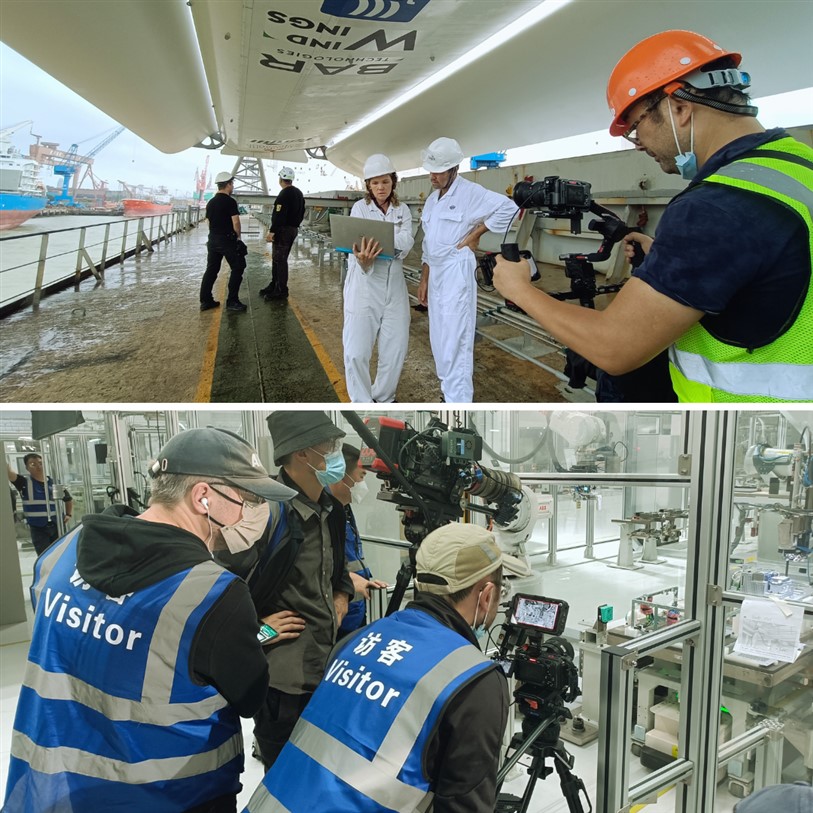
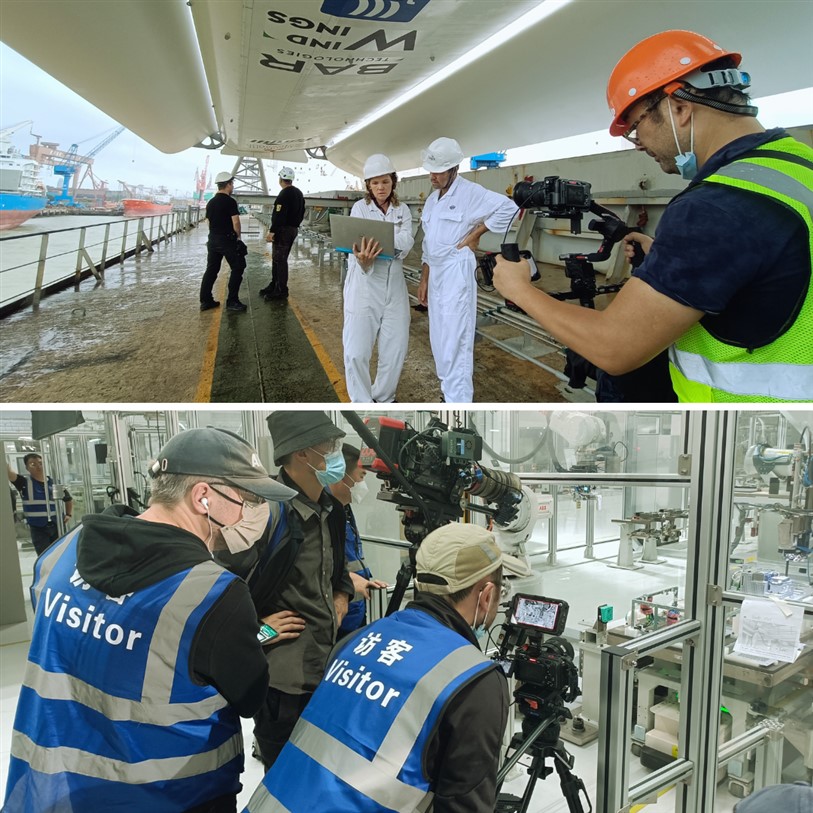
Shanghai industrial video production works best when the facility visit has a clear editorial purpose. A film can show how an operation works, introduce an engineering team or explain a product application. Start with the question the viewer needs answered, then identify the people, processes and evidence available at the site. Shoot In China coordinates filming and production support for industrial assignments in Shanghai and surrounding locations.

Shanghai Industrial Video Production | Factory & Engineering

Choose the story before choosing every machine

Ask the client to select one primary use: sales, company introduction, recruitment, technical explanation or internal communication. These uses may share footage, but they do not automatically share an edit. Write a short outline explaining the opening question, the process or people that answer it and the final takeaway.

For each proposed statement, name the person who can verify it. A visual of a busy line can show activity; it cannot alone substantiate a capacity figure or a quality claim. Keep unapproved figures, customer names and technical assertions out of the recording brief until the client supplies approved wording.

Build a route that produces an understandable sequence

Walk through the proposed filming route with an engineer or operations contact. For each essential stage, identify the input, action and result. Plan a wide view for context, a useful operational angle and a detail that shows the result. Record which stages must be shown in order and which can be explained with a diagram.

Mark fixed operating windows and actions that cannot be repeated. Fit general exteriors and office shots around those windows. The Shanghai factory shoot guide covers the host’s preparation; the industrial videographer page focuses on camera coverage and rushes.

Use the engineer’s explanation to guide interviews

Prepare questions that connect the process to the audience’s question. Ask what enters a stage, what changes and how the result is checked. Keep a list of terms, units and product names for the technical reviewer. Record approved pronunciations and speaker titles before editing begins.

Test a quieter interview room separately from the production floor. Agree how much time is needed for lighting and sound before the speaker arrives. When an interview conflicts with an essential process window, choose an order or provide separate coverage instead of assigning both tasks to the same operator.

Separate access approval from content approval

Name the site escort, the person checking confidential views and the person authorised to approve the final film. They may be different people. Review screens, drawings, labels, prototypes and background activity during the scout, then identify a practical route for resolving questions on the day.

For additional facilities outside Shanghai, list the exact addresses and each host’s availability. Decide which crew and kit travel and which are sourced for each stop. Leave room for arrival, loading, induction and a technical check rather than budgeting only the journey between city centres.

Hand over a film-ready record

At wrap, compare the required sequences with the shot log. Record missing stages, restricted scenes and any process changes affecting the edit. Check the agreed media copies and identify the recipient. Supply interview names, terminology notes and a contact for follow-up technical questions.

Review the first edit for process order and factual meaning before polishing graphics or subtitles. Agree the final duration, crops, languages and review rounds in the scope. For broader campaign work, see Shanghai video production.

Brief the production team

Email [email protected] with the purpose, facility address, dates, essential processes, speakers, technical reviewer and required outputs. State whether the assignment is filming only or includes development and editing. This makes the proposed crew and production scope easier to assess.

Shanghai Video Production | Corporate, Commercial & Film Crew

Planning Shanghai video production begins with the final use of the film and the work your team has already completed. An agency arriving with an approved script needs a different scope from a company starting with a business objective. Shoot In China supports local production planning, filming and post-production with English–Chinese coordination.

Shanghai Video Production

Choose the production scope you actually need

Separate development, preparation, filming and editing in the brief. Mark which stages the client or agency provides and which need local support. For a filming-only booking, supply the approved script, shot requirements and editor’s specifications. For a complete film, allow time to agree the structure before booking the shoot.

A scope should state the outputs of each stage: an approved outline, a current production plan, organised rushes or a finished master. Crew hire and a finished-film commission are different deliverables. Define responsibility for concept decisions, locations, speakers, brand assets and final approval.

Create a delivery matrix before scheduling

List each required version with its audience, duration, aspect ratio, language, captions and deadline. A website film, an internal message and short social clips may require different framing or interview answers. Decide which versions share a story and which need additional material.

Use the matrix to identify work that must happen on set. Portrait photographs, vertical compositions, product details or clean backgrounds for graphics should be planned during coverage. They should not be assumed to emerge from an edit if they were never captured.

Match locations and people to the treatment

For each scene, record the exact address, host, access window, speaker and required setup. Request recent room or site photos. Check sound, loading, staging and available preparation time with the host before fixing a call sheet. An attractive reference image does not confirm that the preferred location is available.

For industrial content, use Shanghai industrial production and the factory-specific preparation pages. For a small interview or pickup, the Shanghai videographer page helps scope operator coverage. Book additional sound, lighting or coordination roles explicitly when required.

Run preparation and shoot-day decisions through one owner

Name one client contact to consolidate changes to script, schedule and outputs. Keep a dated brief and record which items are approved or still open. Ask the team to identify dependencies such as speaker confirmation, product samples or venue access; a booking date alone does not resolve those dependencies.

For remote supervision, agree review windows, the person making decisions and the fallback if viewing is interrupted. Test the proposed connection and viewing method before the shoot. Record creative and scope changes so the editor receives the decisions made on set.

Use separate editorial and finishing reviews

Review the story and factual content first. Confirm the interview meaning, selected scenes and any missing information before final graphics, colour and language versions. Then collect finishing feedback against one numbered version, using timecoded notes and a named final approver.

Agree whether delivery includes clean masters, separate captions, camera originals, still-image selects or project files. Define storage and transfer responsibilities separately. Additional versions or a change of audience can affect the edit scope even when the filming has already finished.

Request a useful production proposal

Send [email protected] the objective, audience, dates, locations, existing script or assets, required versions and deadline. State what your team provides and who approves the result. For camera leadership, see Shanghai video director. A useful proposal can then distinguish preparation, crew, equipment and post-production rather than quoting an undefined full-service package.

Shanghai production services and production support

For a Shanghai agency brief, separate the production services that create the film from production support that enables the shoot. An approved treatment may already define the creative work, while room access, speaker arrivals and remote client review still need local coordination. List those responsibilities beside the existing deliverable matrix. Also identify which client assets arrive ready to use and which need checking before the editor starts.

China Industrial Videographer | Factory & Manufacturing Video

Hiring a China industrial videographer starts with a practical question: what must the visiting editor be able to understand from the footage? A list of machines is not a coverage plan. Define the process, the people who can explain it and the shots that prove each important step before choosing a camera package.

Shoot In China coordinates industrial videographers and bilingual production support. This page focuses on booking and briefing the camera team. For concept development and finished films, see industrial video production. For a Shanghai assignment, use the Shanghai industrial videographer page.

China Industrial Videographer | Factory & Manufacturing Video

Choose the crew around simultaneous tasks

A compact assignment may involve one operator filming a prepared route. Adding an interview, moving lighting, recording sound and obtaining client decisions creates separate jobs. Ask who performs each task, rather than assuming that a single videographer covers the entire production.

  • Operator: framing, exposure, movement and agreed recording settings.
  • Sound recordist: interview microphones, monitoring and sound files when dialogue is required.
  • Camera assistant or media handler: lens changes, camera support and verified transfers as specified.
  • Producer or site coordinator: access, contributor timing, interpretation and client decisions.

Crew size should follow the schedule and site conditions. If an interview and a non-repeatable process happen together, decide which takes priority or book separate coverage. Do not schedule both against the same operator.

Turn a process diagram into filmable evidence

For every essential stage, record the input, visible action and output. Add an establishing view showing where it happens, a medium view explaining the operator or machine interaction, and a detail showing the result. Ask an engineer to identify the detail that would make the sequence technically misleading if missed.

A useful shot record contains: process name, approved camera position, operating window, site escort, action to capture, continuity reference and whether a repeat is possible. Mark must-have shots separately from attractive general views. The factory filming guide covers site preparation.

Review work samples for the assignment you have

Ask to see relevant complete sequences rather than judging only a fast montage. For an interview assignment, listen to dialogue. For machinery coverage, check whether the edit explains an operation. Discuss whether the proposed person shot, directed or edited the example so their contribution is clear.

Confirm the individual, dates, working hours, travel arrangements and included kit in the booking. Record what happens if the shoot moves to another city or extends beyond the agreed hours. A national service page does not establish that the same operator is available at every location.

Prepare a technical check with the editor

Agree resolution, frame rate, recording format, colour workflow, audio expectations and file naming before arrival. Test the actual camera and lens combination when a particular look or delivery requirement matters. Request approval before replacing a specified item; a brand name alone does not define compatibility.

During the scout, identify reflective surfaces, restricted screens, mixed lighting and an interview space where sound can be checked. Route equipment and camera movement through the site contact. The production team should follow the facility’s instructions for access and safe working positions.

Define the rushes handover

Decide whether the booking delivers camera originals, organised rushes, selected clips or an edited film. State who makes and checks copies, which party provides drives, and when media can be released or cleared. Keep a log of missing shots, unusable sound and any process changes that affect the edit.

Before wrap, review the must-have list with the client representative. If a stage was unavailable, document the gap and agree a follow-up or an alternative explanation. This makes the handover useful to an editor who was not at the factory.

Send a focused industrial filming brief

Email [email protected] with site addresses, dates, process priorities, interview count and languages, filming windows, crew responsibilities and the required handover. Include reference footage and the name of the technical reviewer. These details help scope an operator booking separately from a full production.