Beijing remains one of the most important production centers in China. As the country’s political and cultural capital, the city hosts a wide range of filming activities, including international documentaries, corporate communication projects, broadcast journalism, and commercial campaigns. However, productions entering Beijing often encounter operational conditions that differ significantly from other Chinese cities.
For international crews, a fixer often becomes the key local coordinator who helps navigate these conditions. The term “fixer” usually refers to a local production professional who assists with logistics, communication, research, and location coordination. In Beijing’s complex filming environment, the role often expands to include production management tasks that support the entire crew.
Understanding how fixers operate in Beijing helps international producers plan their projects more effectively. The following guide explains how fixer coordination works in the city and how productions typically approach filming logistics in China’s capital.
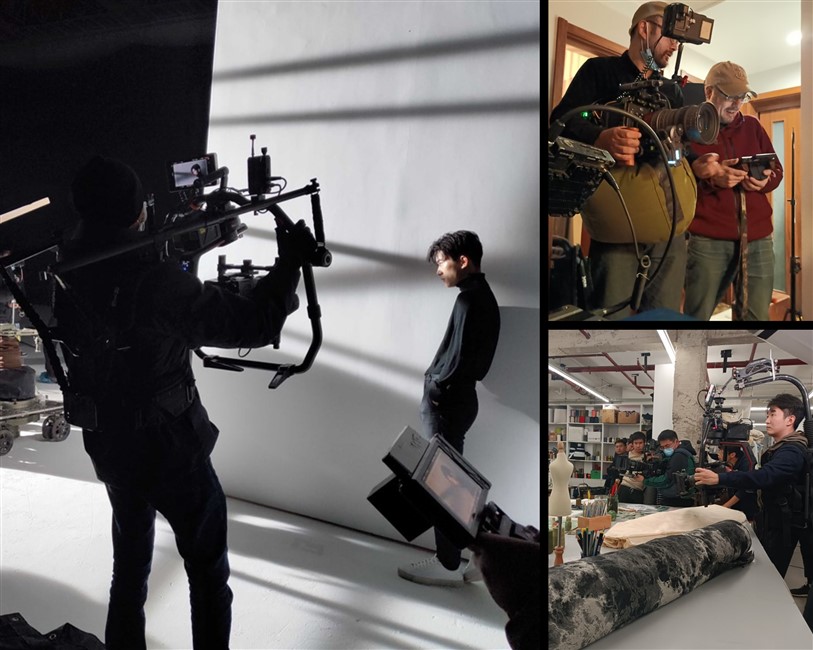
The Role of a Fixer in Beijing Productions
A fixer serves as the primary local contact for international productions working in Beijing. While the role varies depending on the project, the fixer typically bridges communication between the visiting crew and local institutions.
Responsibilities may include:
• arranging transportation and schedules
• coordinating filming locations
• facilitating interviews and contacts
• assisting with translation and bilingual communication
• supporting crew logistics
For documentary and news productions, fixers often assist with research and story development. For commercial productions, the role may expand into broader production coordination.
Because Beijing’s administrative environment can involve multiple layers of oversight, experienced fixers often help identify the most efficient path for organizing filming activities.
Understanding Beijing’s Filming Environment
Beijing presents a unique filming environment compared to other Chinese cities. As the center of national government and media institutions, the city maintains a higher level of regulatory sensitivity around filming activities.
Public areas near government buildings, historical landmarks, or transportation infrastructure may require additional coordination.
At the same time, Beijing offers diverse filming locations including historic architecture, modern business districts, universities, and residential neighborhoods.
Many documentary productions choose Beijing because it provides access to cultural institutions, academic experts, and major policy organizations.
However, filming in these environments often requires careful planning and coordination with location managers.
Location Coordination in the Capital
Location access is one of the most important aspects of filming in Beijing. While some locations operate similarly to private venues in other countries, others involve multiple layers of management.
Examples of locations that may require coordination include:
• historic sites and cultural landmarks
• universities and research institutes
• government-managed public areas
• transportation hubs
Even commercial districts sometimes require communication with property management teams before filming can begin.
Fixers typically assist with early location scouting to determine whether filming is possible and what permissions may be required.
This early coordination helps prevent disruptions once production begins.
Working With Local Authorities and Institutions
Productions operating in Beijing often interact with institutions that oversee public spaces or cultural sites. These organizations may request information about the filming project before granting access.
Fixers typically assist with these conversations because they understand how local administrative structures operate.
The process may involve:
• presenting a filming plan
• coordinating filming schedules
• confirming equipment requirements
Because expectations can vary depending on the location, local knowledge becomes particularly valuable.
In many cases, the goal is not simply obtaining formal approval but ensuring that filming activities align with local operational expectations.
Equipment and Production Logistics
Equipment logistics in Beijing generally follow the same structure as other major Chinese production hubs. Professional rental houses supply cameras, lighting systems, grip equipment, and audio gear.
Most international productions prefer renting equipment locally rather than importing gear from abroad. Local rental infrastructure allows productions to assemble camera and lighting packages quickly.
Equipment delivery to filming locations is usually coordinated through production managers or fixers.
This arrangement allows the visiting crew to focus on creative work while local teams manage technical logistics.
Because Beijing hosts many large productions, the city maintains experienced technical crews familiar with international filming standards.
Crew Structure and Bilingual Coordination
International productions in Beijing often combine visiting creative teams with locally assembled technical crews.
Directors, producers, and correspondents may travel from abroad, while camera assistants, lighting technicians, and production assistants are hired locally.
Bilingual communication becomes essential in these mixed crews. Fixers often assist with translation during meetings, interviews, and on-set coordination.
Clear communication ensures that technical instructions, safety guidelines, and scheduling details are understood by everyone involved.
This coordination helps prevent delays during filming and allows production teams to work efficiently despite language differences.
Cross-City Productions and National Coverage
Many productions filming in Beijing also operate in other Chinese cities. Documentaries and corporate projects often include locations in Shanghai, Shenzhen, Guangzhou, or industrial regions across the country.
In these cases, the Beijing fixer may collaborate with local coordinators in other cities.
Travel logistics between major Chinese cities are generally efficient due to the country’s high-speed rail and domestic flight networks.
However, each region may involve different location coordination processes.
Productions that move between multiple cities often rely on fixers to maintain continuity in scheduling and logistical planning.
Production Scheduling and Operational Realities
Filming schedules in Beijing can be influenced by several operational factors. Urban traffic, location availability, and institutional coordination all play a role in determining how production days are structured.
Early planning helps minimize disruptions. Location scouting, equipment preparation, and crew coordination are typically completed before the filming schedule begins.
Fixers often help organize these preparations so that the visiting crew can begin filming immediately upon arrival.
Because many international productions operate within tight timelines, efficient logistical preparation becomes particularly important.
Risk Management and Practical Considerations
Productions entering Beijing benefit from anticipating potential logistical challenges. These challenges often relate to location access, transportation coordination, or scheduling adjustments.
Common risk management strategies include:
• conducting early location research
• confirming filming schedules in advance
• maintaining flexible production timelines
• coordinating closely with local teams
By addressing these issues during pre-production, productions can reduce the likelihood of unexpected interruptions.
Experienced fixers help identify potential challenges before they affect the filming schedule.
Practical Takeaways for International Producers
Working with a fixer in Beijing can significantly simplify the process of organizing a production in China’s capital. Local coordinators provide insight into how the city’s filming environment operates and help navigate logistical complexities.
International productions benefit most when they approach Beijing filming with careful preparation and realistic expectations.
Understanding the structure of local production workflows allows visiting crews to integrate smoothly with local teams and technical infrastructure.
With proper coordination, Beijing offers access to a wide range of filming opportunities including historical architecture, modern urban environments, academic institutions, and major cultural sites.
For producers planning projects in China, a knowledgeable fixer often becomes the key connection between international production goals and the practical realities of filming in Beijing.