Camera equipment decisions are among the first technical considerations for any film or video production. When international teams prepare to shoot in China, a common question arises: whether to import equipment or rent locally. In most cases, productions rely on local rental infrastructure because China’s major production cities maintain extensive inventories of professional cinema cameras.
Camera rental in China supports a wide range of productions, from corporate interviews and documentaries to large-scale commercial campaigns. Equipment providers in major cities supply digital cinema cameras, lens packages, camera support systems, and accessories compatible with international production standards.
Understanding how camera rental works within China’s production ecosystem helps international producers plan equipment logistics efficiently. The following guide explains how camera rental typically operates, how equipment is sourced locally, and how cinematographers integrate rental gear into commercial filming workflows.
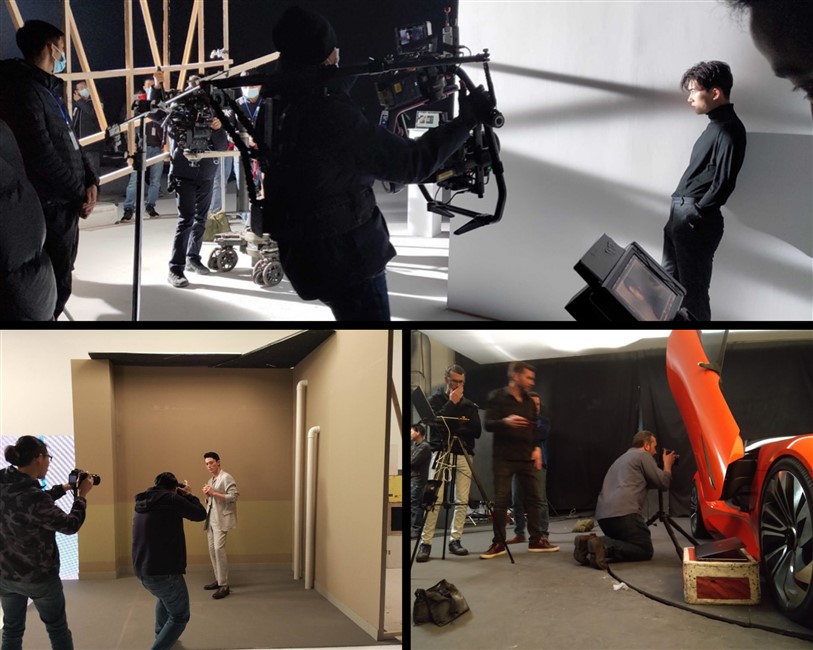
The Camera Rental Ecosystem in China
China’s film and commercial production industry has developed a mature equipment rental network over the past two decades. Major production hubs such as Shanghai, Beijing, Shenzhen, and Guangzhou host specialized rental houses that supply professional cinema cameras and accessories.
These rental companies maintain inventory tailored to commercial production needs. Cameras, lenses, monitoring systems, and camera support gear are available for short-term projects ranging from single-day interviews to multi-week commercial campaigns.
Local rental infrastructure allows productions to assemble equipment packages quickly. Instead of transporting camera gear internationally, producers can source most technical equipment directly from local suppliers.
This system simplifies logistics and reduces the risk of customs delays that can occur when importing equipment into China.
Popular Camera Systems Used in China
China’s commercial production environment uses the same professional camera platforms commonly found in other major film markets.
Digital cinema cameras frequently used on productions include:
• ARRI cinema cameras for high-end commercial campaigns
• RED camera systems for cinematic advertising and narrative work
• Sony digital cinema cameras for corporate, documentary, and broadcast production
These systems support a variety of recording formats and frame rates suited to modern digital workflows.
Because many cinematographers working in China collaborate with international productions, they are familiar with these camera platforms and their associated lens systems.
Local rental houses typically maintain multiple units of these cameras along with backup accessories and support equipment.
Lens Packages and Camera Accessories
Camera rental packages generally include more than the camera body itself. Cinematographers often assemble lens kits and accessories that match the visual style of the production.
Common equipment included in rental packages may involve:
• prime lens sets or zoom lenses
• matte boxes and filtration systems
• follow focus systems
• on-board monitoring equipment
• camera stabilization tools
Lens selection plays a major role in determining the visual characteristics of a project. Cinematographers frequently test lenses during pre-production to confirm that they align with the creative approach of the director.
Rental providers usually allow productions to review equipment lists and conduct technical checks before filming begins.
Camera Assistants and Technical Support
Professional camera rentals in China often involve technical crew members who assist with equipment setup and maintenance. Camera assistants manage tasks such as lens changes, camera configuration, and media handling.
The camera department typically includes:
• a director of photography
• camera assistants
• focus pullers
• sometimes a digital imaging technician
Camera assistants coordinate closely with the rental house to confirm that equipment is prepared correctly for the production schedule.
When cameras are delivered to the set, assistants check firmware settings, recording formats, and power systems before filming begins.
This preparation helps prevent technical delays during shooting days.
Equipment Logistics for International Productions
One of the main advantages of renting cameras locally in China is logistical efficiency. Importing equipment into the country often requires customs documentation and temporary import procedures.
While importing gear is possible, the process can add time and administrative complexity to production planning.
Local camera rental avoids these complications. Equipment can be delivered directly to the filming location, and rental technicians can assist with setup if necessary.
For productions moving between cities, equipment can also be transported domestically through established logistics networks.
This flexibility allows producers to adjust equipment packages during production without major disruptions.
Location Constraints and Equipment Planning
Camera equipment planning is often influenced by filming locations. Urban environments, factories, offices, and outdoor landscapes each impose different practical constraints.
Large camera rigs may be difficult to use in crowded city spaces or small interiors. In these situations, cinematographers may choose lighter camera configurations.
Conversely, commercial studio environments allow for more complex camera systems including cranes, dollies, or stabilized rigs.
Location scouting plays a significant role in determining which equipment configuration will work best. Production teams often adjust camera packages based on the physical characteristics of the filming environment.
Cross-City Productions and Equipment Movement
Many productions in China operate across multiple cities. Commercial campaigns may combine scenes filmed in urban centers with locations in industrial regions or rural landscapes.
Camera equipment must therefore be transported efficiently between filming locations.
In some cases, productions ship the same camera package between cities. In other cases, separate rental houses provide similar equipment in different regions.
Because major cities maintain comparable inventories of professional camera systems, switching rental providers between locations is often feasible.
This flexibility helps productions maintain schedules without relying on long-distance equipment transport.
Coordination With Lighting and Grip Departments
Camera departments rarely operate in isolation. Equipment decisions often influence how lighting and grip departments design their setups.
For example, camera sensor sensitivity affects lighting requirements, while lens selection influences how lights must be positioned within the frame.
Grip teams also coordinate with camera operators to manage movement equipment such as dollies, sliders, or stabilizers.
Because commercial productions frequently involve complex camera motion, collaboration between these departments begins during pre-production planning.
Clear coordination ensures that technical setups function smoothly once filming begins.
Data Management and Post-Production Workflow
Modern digital cameras generate large volumes of data during filming. High-resolution formats used in commercial production can produce several terabytes of footage over the course of a project.
Camera assistants and digital imaging technicians manage the transfer and backup of this footage throughout the shooting day.
Data is typically copied to multiple storage drives to ensure redundancy. Organized file structures help post-production teams locate footage quickly once editing begins.
Camera rental providers sometimes assist with supplying data management equipment, including high-capacity storage drives and monitoring systems.
This technical infrastructure helps maintain a reliable production pipeline from filming through post-production.
Practical Considerations for International Producers
For international productions filming in China, renting camera equipment locally often proves to be the most efficient approach. China’s production industry provides a well-developed ecosystem of rental providers, experienced camera assistants, and technical support teams.
Producers typically evaluate several factors when planning camera rentals:
• compatibility with the cinematographer’s workflow
• equipment availability in the filming city
• logistical requirements for transportation
• integration with lighting and grip departments
When these elements are aligned during pre-production, camera operations can proceed smoothly throughout filming.
China’s camera rental infrastructure now supports productions of many different scales. From corporate interviews to high-end commercial campaigns, local rental systems provide the technical resources necessary to execute complex visual projects within the country’s diverse filming environments.