For international producers planning a shoot in China, the permit process is often the least understood part of production planning. The China filming permit system operates differently from many Western markets. Approvals are not always centralized, and the practical path to permission often depends on the type of project, the location, and the organizations involved.
In practice, most commercial productions, documentaries, and branded content projects operate within a layered approval framework. Understanding how this framework works helps producers avoid delays, budget surprises, or last-minute location cancellations. The key is not simply obtaining a permit, but navigating the regulatory environment correctly from the start.
This guide explains how filming permissions typically work in China and how international productions approach the process in real production scenarios.
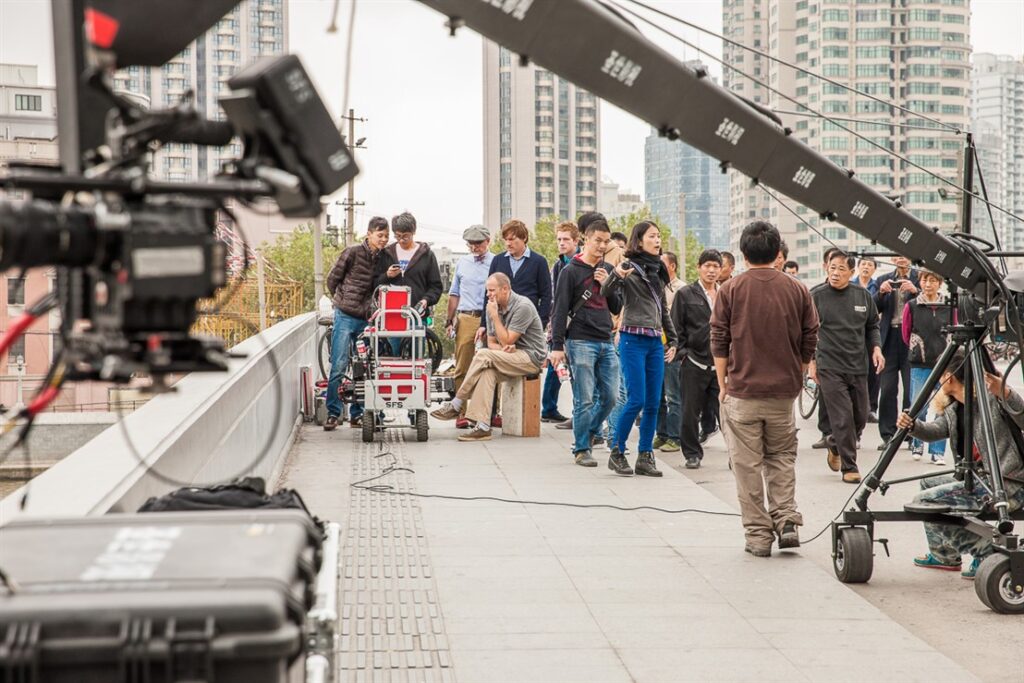
Understanding the Regulatory Landscape for Filming in China
China does not operate a single nationwide permit system for all productions. Instead, approvals may involve multiple authorities depending on the nature of the project.
Broadly, filming oversight can involve:
• national-level media regulators
• municipal publicity departments
• district cultural bureaus
• location-specific authorities
The structure exists because filming is treated both as a media activity and as a public-space activity. A documentary crew filming historical content may fall under different supervision compared to a commercial brand shoot in an urban district.
For international productions, local coordination is essential because many approvals are handled at the city or district level rather than through a single national office.
Types of Productions That Typically Require Filming Approval
Not every production entering China requires the same level of approval. The regulatory expectations often depend on the production category.
Common categories include:
Commercial productions
Advertising campaigns and branded content shoots often require location permissions and local authority notification, especially for larger crews.
Documentary and television projects
Projects intended for broadcast distribution may require higher-level approvals and partnerships with domestic production entities.
Feature film productions
Foreign film productions generally involve co-production structures or partnerships with Chinese companies to obtain formal approvals.
Small editorial or corporate shoots
Interviews or corporate documentation projects sometimes operate with simplified location permissions when the footprint is small and the filming is conducted on private property.
The complexity of the approval process tends to increase with crew size, equipment footprint, and public visibility.
How Filming Permissions Are Handled at the City Level
Many international productions assume permits are issued by national regulators. In reality, municipal authorities often control practical filming permissions.
Cities such as Shanghai, Beijing, Shenzhen, and Guangzhou each operate slightly differently. Some districts maintain structured approval processes, while others rely on location-based permissions.
For example, filming in a business district plaza may require:
• district-level filming approval
• coordination with property management
• local security notification
Meanwhile, filming inside a privately owned office building may only require property authorization.
Local knowledge becomes critical because regulations are interpreted differently between districts, even within the same city.
Location Control and Filming Restrictions in Urban China
Location access is one of the most important practical aspects of filming in China. While permits may authorize filming activity, location control ultimately determines what is possible.
Public landmarks, transportation hubs, and historical sites are often managed by multiple authorities. Even when filming is allowed, restrictions may apply to:
• camera size
• tripod use
• lighting equipment
• drone operations
Urban density also creates logistical constraints. In busy city centers, filming activity can quickly attract public attention, which may trigger additional supervision from local security teams.
Because of this, location scouting often includes early conversations with property management and district authorities.
Equipment Decisions: Shipping Gear vs Local Sourcing
Another operational consideration tied to filming permissions involves equipment logistics. International crews sometimes assume they must ship camera packages into China. In practice, many productions rely on locally sourced equipment.
There are several reasons for this approach.
First, importing gear through customs using temporary import procedures requires detailed documentation and coordination. While feasible, the process adds administrative complexity and time.
Second, most major Chinese production hubs maintain well-developed rental ecosystems with high-end camera, lighting, and grip equipment available locally.
Finally, locally sourced equipment simplifies permit discussions. Authorities are generally more comfortable with equipment supplied through established domestic channels.
For many productions, renting equipment locally reduces both regulatory friction and logistics risk.
Crew Structure and Communication on International Shoots
Crew structure is another area where productions encounter differences when filming in China.
International productions often bring key creative roles such as:
• director
• director of photography
• agency representatives
However, the majority of the technical crew is usually assembled locally. This includes camera assistants, lighting teams, grips, production assistants, and location coordinators.
Bilingual coordination becomes essential because communication flows between international creative leadership and local technical teams.
Production management often acts as the bridge between these groups, ensuring both sides understand expectations and compliance requirements.
Clear communication helps avoid misunderstandings, especially when dealing with regulatory authorities or location management teams.
Timeline Compression and Approval Realities
Production schedules in China often operate under compressed timelines. Permits, location confirmations, and logistical approvals can move quickly, but they also require flexibility.
One common misconception is that permits follow rigid timelines similar to those in some Western markets. In reality, approvals can sometimes be obtained faster than expected if relationships and documentation are already in place.
However, last-minute changes can also create complications. Location substitutions, equipment adjustments, or changes in crew size may require new approvals or notifications.
Because of this, experienced productions often build contingency plans into the schedule.
Early preparation and local coordination usually determine whether approvals move smoothly.
Regional Differences Between Major Production Cities
China’s major production cities share many similarities but also have distinct operational characteristics.
Shanghai tends to be one of the most internationally accessible filming environments, with a strong commercial production ecosystem and well-established rental infrastructure.
Beijing remains the center of national media regulation and government communication, which can affect projects involving documentary or broadcast elements.
Shenzhen is often used for technology and industrial filming due to its concentration of manufacturing and innovation companies.
Guangzhou and southern China provide logistical advantages for projects covering manufacturing supply chains and export industries.
Understanding these regional differences helps productions plan logistics more effectively and choose locations aligned with the project’s needs.
Risk Management Strategies for Foreign Productions
Experienced producers approaching filming in China typically focus on risk management rather than simply obtaining permits.
Practical risk mitigation often includes:
• conducting early location scouting
• confirming equipment availability locally
• aligning crew structure with regulatory expectations
• building flexible production schedules
• maintaining clear communication with local authorities
Many challenges that appear regulatory are actually logistical. When locations, equipment, and crew planning are aligned early, the permit process tends to follow more smoothly.
The key lesson for international productions is that preparation matters more than paperwork alone.
Practical Takeaways for International Producers
Filming permissions in China are best understood as part of a broader production coordination process. Permits exist within a framework that includes location management, regulatory oversight, and logistical planning.
International productions that succeed in China typically approach the process with three priorities:
• early coordination with local production teams
• realistic scheduling expectations
• flexibility in equipment and location planning
Rather than viewing permits as a single administrative step, it is more accurate to see them as one component of a larger operational system.
Understanding that system allows productions to plan more confidently and execute projects smoothly across China’s major filming locations.