Documentary filming in China presents a unique combination of opportunities and logistical considerations. The country offers a wide range of visual environments, from dense urban centers and manufacturing regions to remote landscapes and historic towns. For international filmmakers, however, working in China requires an understanding of how local production structures operate.
Unlike many Western markets, documentary production in China often relies heavily on local coordination. Location access, regulatory awareness, and communication with local communities all play important roles in determining how smoothly a project proceeds.
Many international documentary crews enter China with small teams and flexible shooting plans. While this approach can work, it still requires careful planning. Understanding the operational realities of filming in China helps producers avoid delays and adapt their production strategy to the local environment.
This guide outlines how documentary productions are typically organized, the role of local fixers, and the logistical factors that influence filming across China.
The Documentary Production Environment in China
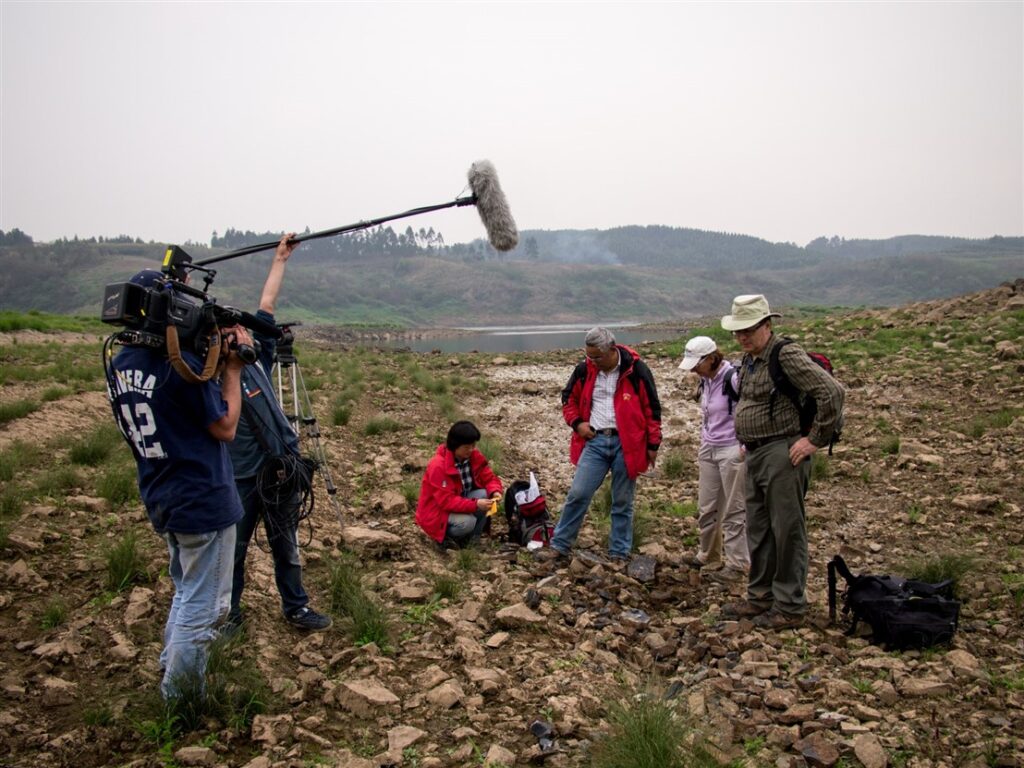
China’s documentary landscape differs from commercial production in several ways. Documentary teams tend to work with smaller crews, lighter equipment setups, and more flexible shooting schedules.
Despite this flexibility, documentary projects often encounter logistical complexities. Interviews may take place in private homes, factories, rural communities, or public spaces. Each environment involves different levels of coordination.
International crews frequently combine local production support with their own editorial team. Directors, producers, or correspondents may travel with the project while relying on local coordinators to handle logistics.
Because documentary storytelling often depends on spontaneous moments and real-world access, the ability to adapt quickly becomes an essential part of production planning.
The Role of Fixers in Documentary Filming
A fixer plays a central role in many documentary productions working in China. The term refers to a local production coordinator who helps international crews navigate logistics, communication, and location access.
Fixers typically assist with:
• local research and story development
• translation and bilingual communication
• arranging interviews and contacts
• coordinating transportation and schedules
• managing local crew members
For documentary teams unfamiliar with a region, a fixer often becomes the primary bridge between the international production and the local environment.
Their role extends beyond simple translation. Experienced fixers understand how filming activities are perceived by local authorities, property managers, and community members. This awareness helps prevent misunderstandings during production.
Filming Permissions and Regulatory Awareness
Documentary filming in China does not always follow a single permit system. Approval requirements can depend on the type of project, the filming location, and the visibility of the crew.
Projects intended for broadcast distribution may require more formal approval structures. Other documentary shoots may operate through location permissions and coordination with property owners.
When filming in public areas or sensitive environments, local authorities may request prior notification. Requirements often vary between cities and districts.
For many documentary crews, the practical approach involves working closely with local coordinators who understand how regulatory expectations function in specific locations.
Understanding these dynamics early in pre-production helps prevent interruptions once filming begins.
Location Access and Field Logistics
Location access often determines how documentary production schedules unfold. Interviews and observational filming may take place in environments that require advance coordination.
Factories, research laboratories, or government-managed sites typically require formal authorization. Rural communities may require introductions through local contacts or community leaders.
Urban environments also present challenges. Filming with visible cameras or tripods in busy public areas can attract attention from security personnel or local authorities.
Documentary teams often conduct early location visits to assess accessibility and determine whether filming restrictions apply. These scouting efforts provide valuable insight before scheduling full shooting days.
Equipment Strategy for Documentary Crews
Documentary productions generally favor lightweight equipment setups that allow for mobility and flexibility. Small camera packages, portable lighting kits, and compact sound equipment are common choices.
When international crews travel to China, they sometimes bring essential gear with them. However, many productions supplement their equipment locally.
China’s major production cities maintain extensive rental infrastructure. Cameras, lenses, lighting kits, and audio gear can often be sourced locally when needed.
This hybrid approach allows documentary teams to maintain creative consistency while reducing the logistical burden of transporting large equipment packages across international borders.
Working with Local Crew and Translators
Even small documentary projects benefit from working with local crew members. Production assistants, sound technicians, and drivers often provide essential logistical support.
Translation also plays a critical role. Interviews, location negotiations, and everyday production coordination frequently involve bilingual communication.
A translator familiar with production environments helps ensure that both the filmmaking team and local participants understand the context of the project.
Clear communication becomes particularly important when filming interviews. Accurate translation allows documentary subjects to express their ideas naturally while maintaining editorial clarity for international audiences.
Regional Differences in Documentary Filming
China’s regional diversity creates a wide range of production environments. Documentary crews working across multiple provinces often encounter different logistical conditions.
Large metropolitan areas offer modern infrastructure and extensive production resources. At the same time, rural regions may require longer travel times and more localized coordination.
Climate, transportation access, and local administrative practices can also vary significantly. A production schedule that works smoothly in Shanghai may require adjustments in western or northern regions.
Because of these differences, many documentary productions rely on regional coordinators or fixers familiar with specific areas.
Managing Time and Production Flexibility
Documentary filmmaking often requires adaptability. Interviews may be rescheduled, locations may change, or unexpected story developments may shift the direction of filming.
In China, production schedules sometimes incorporate additional buffer time to accommodate logistical adjustments. Travel distances between locations can be significant, particularly when filming outside major urban centers.
Pre-production planning typically focuses on identifying potential challenges before filming begins. Transportation routes, accommodation availability, and communication networks are all considered during scheduling.
A flexible schedule allows documentary teams to respond to new developments without compromising the overall production timeline.
Risk Management and Practical Considerations
Every documentary project involves some degree of uncertainty. When filming in China, these uncertainties are often logistical rather than technical.
Common challenges include:
• location access changes
• weather disruptions
• transportation delays
• communication misunderstandings
Experienced production teams address these risks through preparation. Early research, local coordination, and clear communication with all participants help minimize disruptions.
Maintaining respectful relationships with local communities and authorities also contributes to smoother production experiences.
Practical Takeaways for Documentary Producers
Documentary filming in China benefits from thoughtful preparation and strong local coordination. The country offers an enormous range of stories and environments, but successful productions usually depend on understanding how local systems operate.
International documentary teams often find that working with experienced local fixers and production coordinators simplifies many aspects of the process.
By focusing on location access, communication, and logistical planning, documentary filmmakers can navigate the complexities of filming in China while maintaining the flexibility required for observational storytelling.
When preparation and local knowledge align, China can become a highly rewarding environment for documentary production.