Budget is often the first serious question international producers ask when planning a shoot in China. Before creative decisions are locked, the production team usually needs to understand what the real cost drivers are. In practice, filming in China cost is shaped less by a single headline number and more by a combination of crew structure, equipment choices, city logistics, location access, travel, and production management.
China can support a wide range of budgets. A compact corporate interview can be handled with a small bilingual crew and modest equipment package. A multi-city commercial campaign with agency oversight, high-end camera systems, and complex location coordination operates very differently. The difference between these two models is not only scale, but also the type of planning required.
For international productions, budgeting accurately in China means understanding how local workflows function. Cost control depends on early decisions around crew size, technical package, location complexity, and scheduling efficiency. This guide explains how producers typically think about filming costs in China and which categories matter most when building a realistic production budget.
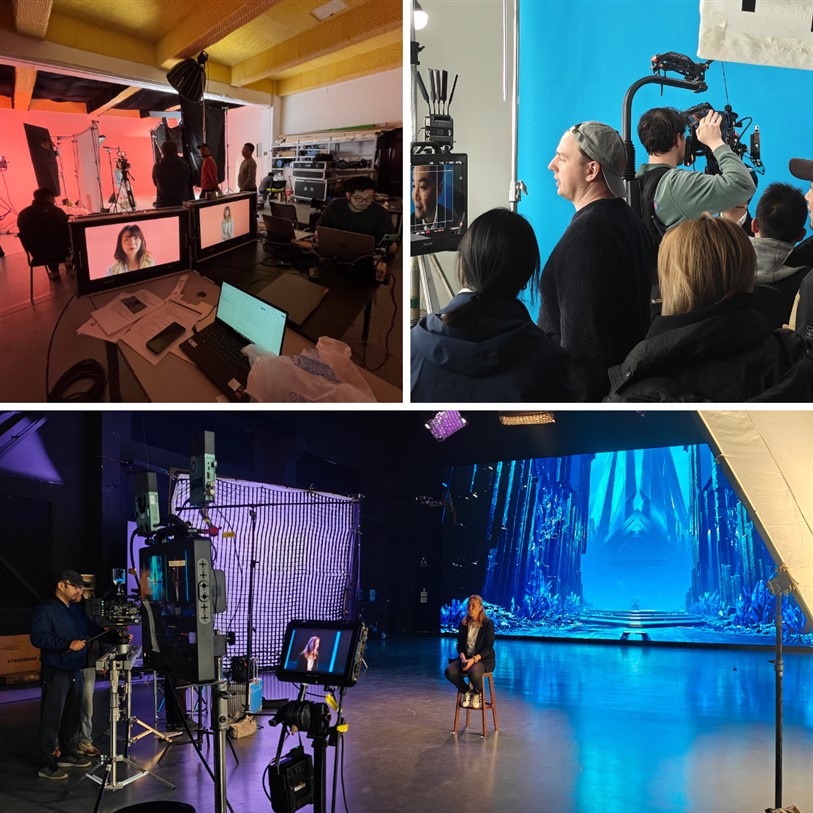
What Actually Shapes Filming Costs in China
The total cost of a production in China is usually determined by six main areas: crew, equipment, locations, travel, production management, and schedule length. These categories interact with each other. A more experienced crew may cost more per day but save time on set. A larger camera and lighting package may improve image quality, but it can also increase transportation and setup time.
One of the most common budgeting mistakes is treating China as a single production market with uniform pricing. In reality, filming cost varies by city, project type, and level of complexity. Shanghai, Beijing, Shenzhen, Guangzhou, and Hong Kong each have different production ecosystems. Costs can also shift depending on whether the project is corporate, documentary, branded content, or a larger commercial campaign.
The practical question is not whether China is cheap or expensive. The more useful question is how to match the production approach to the project’s actual needs.
Crew Cost and Production Structure
Crew is one of the most important parts of any China production budget. Most international productions combine a visiting creative core with a locally hired technical team. That structure usually keeps costs under control while maintaining local efficiency.
A small shoot may involve a producer or fixer, director of photography, camera assistant, sound recordist, and production assistant. A larger commercial shoot may add gaffer, grip crew, hair and makeup, stylist, art department, digital imaging technician, and agency support.
Crew cost is influenced by several factors:
• city and local labor market
• experience level of the crew
• language ability and bilingual coordination
• whether the role is technical, creative, or managerial
• overtime and schedule compression
In practice, local crew hiring is often more efficient than flying in full technical teams from abroad. Local technicians already know the rental ecosystem, location realities, and on-set workflow. That usually reduces both cost and operational friction.
Equipment Rental Cost in China
Most productions filming in China rent equipment locally rather than importing it. This is usually the more practical option. China’s major production cities have mature rental infrastructure for cameras, lenses, lighting, grip, sound, and monitoring systems.
Equipment budgets vary widely depending on the production format. A simple corporate shoot may need only a compact camera kit, two or three lights, basic sound, and support gear. A high-end commercial may require a cinema camera package, prime lens set, wireless video, large lighting units, grip rigging, and a DIT setup.
Camera and lighting packages are often the largest technical cost after crew. However, the visible rental cost is only part of the equation. Bigger gear packages also affect:
• transportation needs
• loading and unloading time
• crew size
• power requirements
• location restrictions
This is why technical decisions should never be separated from logistics. A smaller package may lower rental cost and reduce setup time at the same time.
Location Fees and Permit-Related Cost
Location cost in China depends heavily on the type of space being filmed. Private offices, studios, factories, hotels, and retail environments each operate differently. Some locations only require internal approval from property management. Others may involve multiple layers of coordination.
A simple interview in a private office can be relatively straightforward. A shoot in a landmark district, public-facing commercial area, or managed historic site can be more expensive due to access restrictions, supervision requirements, and time limitations.
Location-related cost often includes:
• location rental fee
• property management fee
• security or supervision fee
• cleaning or restoration deposit
• scouting and recce time
• permit coordination time
International producers sometimes underestimate the cost of filming access because they focus only on formal permits. In practice, location control is often more important than the paperwork itself. Many of the real costs come from negotiating access, protecting schedule certainty, and ensuring the crew can actually work efficiently once on site.
Travel, Accommodation, and Cross-City Logistics
China is a large country, and travel cost becomes significant when productions move between cities. A single-city shoot in Shanghai or Beijing is much easier to budget than a project covering Beijing, Shenzhen, and Hong Kong in one schedule.
Travel costs may include:
• domestic flights or high-speed rail
• ground transportation and vans
• hotel accommodation
• per diems or meal allowances
• baggage or equipment freight
• intercity courier and shipping support
Cross-city productions also generate hidden cost through lost time. Travel days reduce filming days, and equipment movement creates operational complexity. This is why many productions in China try to build local crew bases in each city instead of moving the full team everywhere.
The cheapest schedule on paper is not always the most efficient schedule in practice. A more localized approach can reduce fatigue, transport risk, and downtime.
Corporate Shoots vs Commercial Shoots vs Documentary Budgets
Not every production category follows the same cost structure. Corporate shoots are often the most predictable. They usually involve controlled environments, smaller crews, and shorter schedules. The main costs are crew, camera package, lighting, sound, and basic production management.
Commercial shoots are more complex. They often involve agencies, clients, multiple stakeholders, larger art direction needs, more advanced lighting, and stricter image expectations. These projects require stronger scheduling, more prep, and higher contingency planning. Costs rise quickly because more departments are involved.
Documentary productions usually travel lighter, but they carry different risks. Smaller crews reduce some daily costs, but location unpredictability, travel, translation, research, and long shooting windows can still make documentary production expensive over time.
Understanding the project type is essential before benchmarking cost. A two-day branded content shoot and a two-day documentary field shoot may have similar crew numbers but very different operational demands.
Budgeting for Bilingual Production Management
One area international productions should never under-budget is production coordination. In China, bilingual communication often determines whether the shoot stays efficient. Producers, line producers, fixers, and bilingual coordinators do more than translate. They connect the international team with local crew, property managers, drivers, rental houses, and sometimes local authorities.
This coordination affects every budget category because it reduces mistakes.
Strong production management helps with:
• clear crew briefings
• location communication
• equipment preparation
• travel scheduling
• problem-solving during the shoot
• keeping departments aligned
When producers try to save money by minimizing this layer, the result is often a more expensive production day. Delays, misunderstandings, and last-minute fixes usually cost more than proper coordination.
Schedule Length, Overtime, and Time Compression
Time is one of the largest hidden costs in China production budgeting. A project may look affordable as a one-day shoot, but become significantly more expensive if the schedule is too compressed.
Compressed schedules create pressure in several ways:
• more overtime for crew
• less margin for transport delays
• fewer setup and test windows
• higher risk of technical mistakes
• reduced flexibility if locations change
A slightly longer schedule can sometimes lower the total risk of the shoot, even if it increases some direct costs. Producers need to balance day rate efficiency against operational reality. In dense cities like Beijing or Hong Kong, travel time alone can affect how many setups are possible in a day.
The best budget is usually not the most aggressive one. It is the one that fits the real pace of the location and the technical package.
Hidden Costs International Producers Often Miss
When budgeting filming in China, several cost items are commonly overlooked. These are rarely the largest line items, but they can affect the final total if ignored.
Common hidden costs include:
• tech recce days before the shoot
• equipment prep and return days
• translation during interviews
• local assistant support for paperwork
• power solutions for difficult locations
• extra vehicles for crew and gear separation
• weather backup plans
• post-shoot data handling and courier
These items often appear late in the budgeting process because they seem secondary. In reality, they are part of making the shoot run smoothly.
A good China budget is usually built from operational detail, not just headline line items.
Practical Takeaways for Estimating Filming in China Cost
Filming in China cost can be highly competitive when the project is structured properly. The country offers experienced crews, strong rental infrastructure, and a broad range of filming environments. At the same time, cost control depends on clear planning rather than assumptions.
International producers usually get the most reliable budgets when they define the following early:
• number of shoot days
• city or cities involved
• crew size and departments needed
• camera and lighting level
• location type and access complexity
• travel model for crew and gear
The more precise these decisions are, the more realistic the budget becomes.
China is not a market where one flat number explains production cost. The real budget comes from matching the production design to the actual needs of the project. When crew structure, technical package, and logistics are aligned from the start, productions can control cost without sacrificing operational reliability.