Hong Kong has long been one of Asia’s most established filmmaking centers. Decades of feature film production, television broadcasting, and international advertising have created a mature technical ecosystem that supports both local and international crews. For producers arriving from overseas, equipment sourcing becomes one of the earliest operational decisions during pre-production.
Although some productions initially consider transporting equipment internationally, most filming projects in Hong Kong rely heavily on local rental infrastructure. Professional rental houses maintain extensive inventories of cameras, lenses, lighting systems, and grip equipment used across commercial, documentary, and narrative filmmaking.
Understanding how equipment rental operates in Hong Kong allows international producers to plan technical packages more efficiently. Equipment availability, transportation logistics, crew integration, and scheduling constraints all influence how productions assemble their gear.
This guide outlines how film equipment rental typically functions in Hong Kong and how international productions integrate local technical resources into their filming workflows.
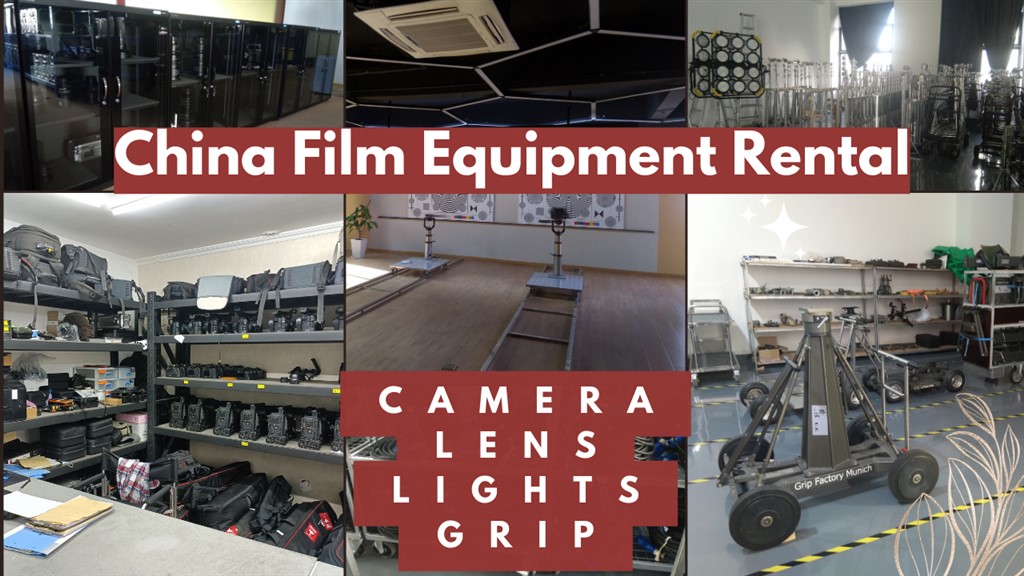
Hong Kong’s Equipment Rental Ecosystem
Hong Kong maintains a well-developed equipment rental industry supported by the city’s long history of film production. Rental companies provide the tools required for a wide range of projects, from small interview shoots to large commercial campaigns.
Equipment inventories commonly include:
• digital cinema cameras
• cinema lenses and accessories
• lighting systems and modifiers
• grip equipment and rigging tools
• wireless monitoring systems
Rental houses usually employ technicians who maintain, test, and prepare equipment before it leaves the warehouse. These technicians verify compatibility between camera systems, lenses, batteries, and recording media.
Because Hong Kong regularly hosts international productions, rental facilities are accustomed to preparing equipment packages that match global production standards.
Why Productions Often Rent Equipment Locally
International productions frequently arrive in Hong Kong with the option of shipping their own equipment. However, in many cases, local rental offers a more efficient solution.
Transporting camera systems across borders introduces logistical considerations such as customs clearance, carnet documentation, and shipping delays. While these processes are manageable, they can complicate tight production schedules.
Local equipment rental reduces these complications.
By sourcing equipment directly within Hong Kong, productions can assemble camera and lighting packages quickly. If technical requirements change during filming, rental houses can adjust equipment lists with minimal delay.
This flexibility is particularly useful for projects that involve multiple filming locations or evolving creative requirements.
Camera Systems and Recording Infrastructure
Camera systems form the core of any production’s technical setup. Hong Kong rental houses maintain inventories of digital cinema cameras used across the commercial and television industries.
A standard camera rental package typically includes:
• camera bodies
• lens mounts and adapters
• monitoring systems
• recording media
• camera support accessories
Camera assistants work with rental technicians to confirm that each component functions correctly before filming begins.
During equipment preparation sessions, crews verify frame rates, recording formats, and color pipeline requirements. These checks ensure that camera systems operate consistently throughout the production schedule.
Reliable camera preparation helps prevent technical interruptions once filming begins.
Lighting Equipment and Production Design
Lighting equipment represents another key component of equipment rental in Hong Kong. Productions often combine natural lighting with artificial sources to achieve specific visual styles.
Rental inventories commonly include:
• LED lighting systems
• tungsten fixtures
• HMI lights for daylight balancing
• softboxes and diffusion modifiers
• power distribution systems
Lighting technicians evaluate each filming location to determine which equipment is necessary.
For interview shoots, compact lighting kits may be sufficient. Commercial productions often require more extensive setups involving multiple fixtures and grip support.
Technical scouts allow the lighting department to test equipment configurations before the filming schedule begins.
Grip Equipment and Camera Movement
Grip equipment supports both camera movement and lighting placement. Hong Kong rental houses provide a wide variety of grip tools used in professional production environments.
Typical grip equipment includes:
• C-stands and light stands
• rigging hardware
• camera dollies and track systems
• jib arms and cranes
• stabilization rigs
Grip technicians assemble these systems on location, ensuring that cameras and lighting equipment remain stable during filming.
For productions involving complex camera movement, grip teams often conduct early setup to test motion paths and safety conditions.
This preparation ensures that camera movement systems function smoothly throughout the shoot.
Equipment Delivery and Location Logistics
Equipment logistics in Hong Kong require careful coordination due to the city’s dense urban layout. Narrow streets, heavy traffic, and limited loading areas can influence delivery schedules.
Rental houses typically deliver equipment directly to the filming location or a nearby staging area.
Delivery planning often considers:
• building access restrictions
• elevator capacity in high-rise buildings
• parking availability for equipment vehicles
Production assistants and technicians supervise equipment unloading and confirm that all items arrive safely.
After filming concludes, the gear is repacked and returned to the rental facility for inspection and maintenance.
This system allows rental houses to maintain equipment reliability across multiple productions.
Integration With Local Technical Crew
Equipment rental in Hong Kong often operates in close coordination with locally hired technical crews. Camera assistants, lighting technicians, and grip specialists frequently have extensive experience with equipment supplied by local rental houses.
This familiarity allows crews to assemble technical setups quickly.
Local technicians also understand how equipment behaves in common filming environments such as office buildings, rooftop locations, and street-level urban spaces.
For international productions, this integration between equipment suppliers and local crew members helps streamline technical preparation.
The visiting creative team can focus on directing and storytelling while experienced technicians manage the technical infrastructure.
Cross-Border Productions and Equipment Strategy
Many productions filmed in Hong Kong also include locations in mainland China. Commercial campaigns, corporate videos, and documentary projects often combine scenes across several cities.
When productions cross the Hong Kong–mainland border, equipment logistics require additional planning.
Some productions transport camera packages between cities, while others rent equipment separately in each location.
Each approach has advantages depending on the production schedule.
Transporting equipment maintains visual consistency, while renting locally reduces transportation complexity.
Pre-production planning helps determine which strategy best suits the project.
Scheduling and Equipment Preparation
Efficient production scheduling depends heavily on equipment preparation. Rental houses usually organize camera and lighting packages one or two days before filming begins.
During preparation sessions, camera assistants inspect equipment and test connections between all components.
These checks include verifying:
• camera recording systems
• lens calibration
• battery performance
• wireless monitoring
The production team may also make adjustments to the equipment package at this stage.
Well-organized preparation ensures that filming can begin immediately once the crew arrives on location.
This efficiency becomes particularly important when productions operate on tight timelines.
Managing Technical Risks
Technical challenges can arise during any production. Planning ahead helps minimize their impact on filming schedules.
Common risks include:
• equipment malfunctions
• weather affecting outdoor setups
• power limitations at locations
• transportation delays
Rental houses often provide backup components and replacement equipment when needed.
Camera assistants and lighting technicians also carry spare accessories that allow quick troubleshooting on set.
By anticipating these issues during pre-production, crews can maintain continuity even if unexpected technical problems occur.
Practical Considerations for International Producers
Hong Kong’s equipment rental industry provides international productions with access to a wide range of professional filmmaking tools. The city’s technical infrastructure supports everything from small documentary teams to large-scale commercial productions.
For visiting producers, local equipment sourcing often simplifies logistics and reduces administrative complexity.
Hong Kong’s experienced technicians, well-maintained rental inventories, and efficient transportation networks create an environment where productions can assemble technical packages quickly and reliably.
When combined with careful pre-production planning and strong crew coordination, the city offers a production environment capable of supporting complex filming projects across a wide range of formats.
Understanding how equipment rental operates in Hong Kong allows international teams to approach production with realistic expectations and a clear logistical strategy.