If you are planning a shoot in China, this filming in china producer guide explains what truly happens on the ground. Filming in China operates differently from Western markets. Production logistics China require local coordination, bilingual crew management, equipment planning, and structured permit workflows.
This is not theory. It reflects how international commercial, branded, and corporate productions actually function across cities like Shanghai, Beijing, Shenzhen, and Chengdu.
For foreign producers, understanding these realities early prevents costly delays and misaligned expectations.
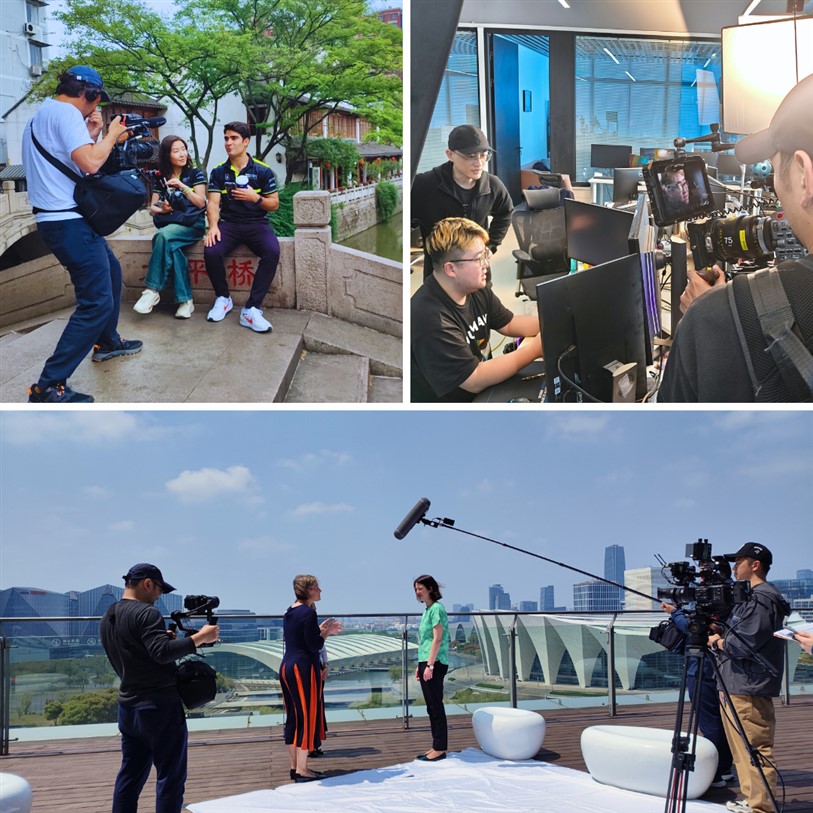
Understanding the Filming in China Producer Guide Framework
A proper filming in china producer guide is not about paperwork alone. It is about managing systems.
China’s production ecosystem combines:
- Government-regulated filming permits
- Regional administrative layers
- Equipment rental China networks
- Bilingual crew structures
- Cross-city production logistics
Unlike many Western markets, you rarely “plug in” an overseas crew and operate independently. Most productions require local execution partners to navigate approvals, labor structure, and equipment sourcing.
Foreign producers who assume China works like Southeast Asia or Europe often underestimate coordination time.
Planning starts earlier here.
How Filming in China Differs from Western Workflows
Decision Chains Are Longer
Permits and location approvals often involve multiple departments. A location manager might coordinate with district authorities, building management, and police.
Decisions do not always happen instantly.
Paperwork Is Structured
For commercial filming permits, documentation may include:
- Script summaries
- Brand background
- Shooting schedule
- Equipment lists
- Passport copies
The level of scrutiny depends on content and location type.
Labor Structure Is Formal
Crew hiring often flows through production entities. Contracts and invoicing follow regulated practices.
This is why bilingual crew coordination matters.
Production Logistics China: What Actually Happens Pre-Shoot
In this section of the filming in china producer guide, we focus on the timeline.
4–6 Weeks Before Shoot
- Confirm city and locations
- Begin filming permits process
- Lock preliminary crew structure
- Define camera package China requirements
2–3 Weeks Before Shoot
- Secure equipment rental China inventory
- Confirm cross-city transport if applicable
- Finalize call sheets in bilingual format
- Align on payment structure
3–5 Days Before Shoot
- Reconfirm location permissions
- Test major camera systems
- Arrange vehicle access passes
- Confirm drone registration if required
China rewards early clarity.
Equipment Rental China & Camera Package Coordination
China has strong rental infrastructure in Tier 1 cities. ARRI, RED, Sony, and high-end lighting packages are readily available.
However, realities vary by city.
Shanghai & Beijing
- Full cinema-grade camera package China options
- Experienced focus pullers
- Advanced lighting inventory
- Strong studio ecosystem
Shenzhen & Guangzhou
- Corporate-heavy market
- Smaller cinema inventory
- Strong commercial crews
Chengdu & Western Cities
- Growing rental market
- Often require cross-city production logistics for specialty gear
Transporting equipment between cities requires careful documentation. Freight times must be built into schedules.
Foreign producers often underestimate this.
Filming Permits & Compliance in China
This is a key part of any filming in china producer guide.
Permits vary depending on:
- Content type (corporate, commercial, documentary)
- Location (public street vs private building)
- Use of drones
- Number of foreign crew
Drone registration requires separate coordination. In some cities, police filing is mandatory before takeoff.
Commercial shoots in sensitive areas require earlier submission.
Ignoring permit timelines can shut down a shoot day.
This is where on-the-ground partners like videographer.cn typically manage filings and local liaison work.
Bilingual Crew: Why It Matters More Than You Think
Language is not just translation.
A bilingual crew bridges:
- Cultural expectations
- Technical terminology
- Union-style working rhythms
- Client presentation standards
Western producers expect structured call sheets, digital asset flow, and safety protocols. Local crew may operate with different communication patterns.
A bilingual producer or fixer ensures both sides stay aligned.
In practice, this prevents small misunderstandings from becoming budget issues.
Cross-City Production Realities
Many international shoots span multiple cities.
For example:
- Shanghai corporate interviews
- Shenzhen factory filming
- Chengdu lifestyle exteriors
Cross-city production introduces:
- High-speed rail scheduling
- Equipment transport documentation
- Local crew replacement vs traveling crew
- Varying permit offices
In China, cities operate semi-independently.
You cannot assume identical regulations across provinces.
A strong production logistics China plan includes city-by-city analysis.
Remote Collaboration for Overseas Producers
A modern filming in china producer guide must include remote workflows.
Many overseas producers do not travel for smaller shoots.
Remote collaboration often includes:
- Pre-shoot tech scout video calls
- Shared equipment lists
- Live-streamed monitor feeds
- Proxy upload on shoot day
- Structured bilingual reports
Internet infrastructure supports this well in major cities.
Clear documentation replaces physical presence.
Budget & Scheduling Realities
China is not automatically cheaper.
Costs vary by:
- City
- Crew level
- Equipment specification
- Permit requirements
- Travel between cities
Labor is often competitive compared to Western markets. However, permit complexity and structured invoicing affect cash flow timing.
A realistic schedule includes:
- Permit buffer
- Equipment confirmation window
- Translation time
- Travel contingency
Rushed schedules create compounding risk.
Step-by-Step: What a Typical Filming in China Production Looks Like
To make this filming in china producer guide practical, here is a simplified flow:
- Initial concept discussion
- City feasibility check
- Permit risk assessment
- Crew structure proposal
- Camera package China confirmation
- Equipment rental China booking
- Location filing
- Pre-light or prep day
- Shoot day execution
- Data handoff and export compliance
Each stage requires coordination across language and regulatory layers.
Foreign producers who plan with this structure avoid operational surprises.
Why Execution Matters More Than Theory
Many online resources discuss filming in China in general terms.
In reality, production success depends on execution detail:
- Does the building security require a stamped letter?
- Does the drone operator hold valid local registration?
- Is the camera package insured under Chinese policy?
- Has cross-city freight time been calculated correctly?
These are not theoretical questions.
They determine whether a shoot day proceeds smoothly.
This is why production partners like videographer.cn focus heavily on logistics, equipment execution, and bilingual communication rather than marketing language.
Final Considerations for Foreign Producers
Filming in China is highly achievable.
But it rewards structure.
This filming in china producer guide is built on operational patterns observed across commercial, corporate, and branded productions.
Success depends on:
- Early planning
- Clear permit awareness
- Reliable equipment rental China partners
- Strong bilingual crew leadership
- Realistic cross-city production timelines
China is not difficult.
It is procedural.
When you understand how production logistics China actually function, you gain predictability.
And predictability is what foreign producers value most.