Hong Kong remains one of Asia’s most recognizable filming locations. Its dense skyline, historic streets, coastal geography, and highly efficient infrastructure make it attractive for international productions ranging from commercials and documentaries to broadcast content and branded storytelling.
For visiting producers, organizing a shoot in Hong Kong usually involves working with a local fixer. In production terms, a fixer acts as a local coordinator who supports logistics, research, crew assembly, and location access. While the role can vary depending on the scale of the project, fixers often become the central point connecting international creative teams with the local production ecosystem.
Compared with many cities in mainland China, Hong Kong offers a more familiar production environment for international crews. At the same time, the city has its own logistical realities, including strict location management, dense urban geography, and tight production schedules.
Understanding how fixer coordination works in Hong Kong helps producers plan filming more effectively and avoid operational friction once production begins.
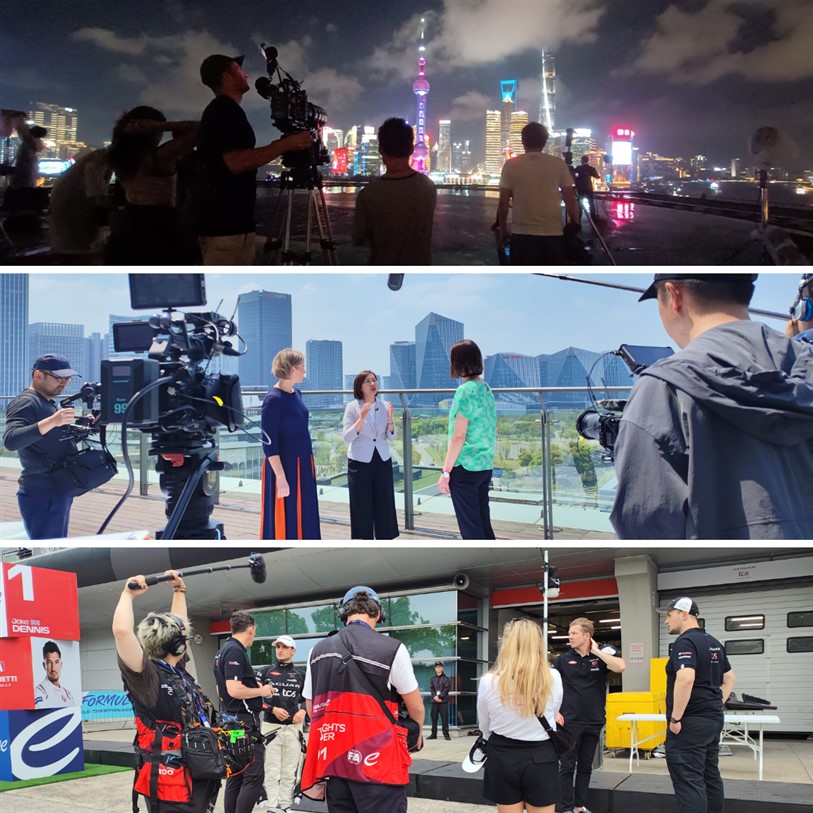
The Role of a Fixer in Hong Kong Productions
A fixer in Hong Kong typically functions as a production coordinator who helps international teams organize the practical aspects of filming. The role often combines elements of line production, location management, and bilingual communication.
Typical responsibilities may include:
• coordinating transportation and schedules
• arranging filming locations
• assisting with local research
• organizing crew and technical resources
• managing communication with property managers
For documentary and broadcast projects, fixers often assist with identifying interview subjects or arranging access to specific communities.
Commercial productions may rely on fixers to coordinate location scouting and facilitate communication between international directors and local production teams.
Because Hong Kong’s filming environment moves quickly, a fixer’s local knowledge often helps streamline logistical decisions.
Understanding Hong Kong’s Filming Environment
Hong Kong offers a highly dynamic filming environment shaped by its urban density and commercial infrastructure. The city contains tightly packed streets, modern skyscrapers, historic districts, and waterfront locations within relatively short distances.
This variety makes the city visually versatile for many production formats.
However, the same density also creates logistical considerations. Filming in busy districts requires careful coordination with property managers, security teams, and municipal authorities.
Public spaces are heavily used, and large film crews can attract significant attention. As a result, productions often plan compact setups that minimize disruption to surrounding activity.
Experienced fixers help producers navigate these conditions by identifying locations where filming can proceed efficiently.
Location Coordination in a Dense City
Location access plays a central role in Hong Kong productions. Many filming environments involve privately managed spaces such as commercial buildings, shopping areas, or residential complexes.
These locations usually require advance communication with property management teams.
Historic districts and public streets also involve coordination with local authorities when productions intend to use larger equipment setups.
Fixers often assist with early location scouting to determine practical filming conditions. During these visits, crews evaluate factors such as:
• pedestrian traffic
• lighting conditions
• equipment access points
• sound environment
This process helps production teams decide whether a location can support the planned filming approach.
Equipment and Technical Infrastructure
Hong Kong maintains a strong technical production infrastructure supported by decades of film and television activity. Rental houses supply professional camera systems, lighting equipment, and grip tools used in both local and international productions.
Most productions prefer sourcing equipment locally rather than transporting gear from abroad.
Local equipment sourcing reduces transportation complexity and allows crews to adjust their technical setup quickly if production requirements change.
Rental houses typically provide:
• digital cinema camera systems
• cinema lenses and accessories
• lighting kits and modifiers
• camera support and stabilization systems
Technical crews familiar with this equipment can assemble camera and lighting setups efficiently during production.
Working With Local Crew and Technical Teams
International productions in Hong Kong frequently combine visiting creative teams with locally hired technical crews.
Directors, producers, and agency representatives may travel from overseas while assembling camera, lighting, and grip departments locally.
This hybrid production structure allows projects to operate efficiently while benefiting from local expertise.
Hong Kong crews are accustomed to international production workflows and often communicate comfortably in English. This reduces language barriers that sometimes appear in other production environments.
Fixers still play an important role in coordinating schedules, negotiating location access, and ensuring that all departments remain aligned during production.
Cross-Border Productions With Mainland China
Many productions that film in Hong Kong also include locations in mainland China. Commercial campaigns and documentary projects often combine scenes shot in Hong Kong with sequences filmed in cities such as Shenzhen, Guangzhou, or Shanghai.
In these cases, the fixer may help coordinate logistics across the border.
Cross-border productions often involve different regulatory environments, production workflows, and scheduling considerations.
Planning these transitions carefully allows production teams to maintain continuity while adapting to different filming conditions.
Fixers with experience working across both regions often help producers manage these logistical transitions more smoothly.
Production Scheduling in Hong Kong
Filming schedules in Hong Kong are often influenced by the city’s fast pace and limited space. Busy streets, dense building environments, and active commercial districts require careful scheduling to minimize disruption.
Productions frequently plan early morning or late evening shoots to avoid heavy pedestrian traffic.
Location availability may also shape the daily shooting schedule. Certain commercial buildings or offices may only permit filming outside regular business hours.
Because Hong Kong productions often operate within compact timeframes, efficient scheduling becomes essential.
Fixers help coordinate these timelines so that crews can move smoothly between locations during filming days.
Managing Production Risks
Every filming environment involves potential logistical challenges. In Hong Kong, these challenges often relate to location access, weather conditions, or transportation logistics.
Common considerations include:
• sudden weather changes
• limited space for equipment setup
• noise from surrounding traffic
• scheduling conflicts at busy locations
Experienced production teams anticipate these factors during pre-production planning.
Fixers often help identify alternative locations or backup scheduling options that allow production to continue even if conditions change.
Proactive preparation reduces the likelihood of delays during filming.
Practical Considerations for International Producers
Working with a Hong Kong fixer can significantly simplify the process of organizing a shoot in the city. Local coordinators provide insight into how locations are managed, how crews operate, and how production logistics function in a dense urban environment.
For international producers, early planning and clear communication remain the most important elements of a successful production.
Hong Kong offers a unique combination of visual diversity, technical expertise, and efficient infrastructure. When supported by knowledgeable local coordination, the city can accommodate a wide range of filming formats including documentaries, commercials, and corporate productions.
Understanding the operational realities of filming in Hong Kong allows international crews to approach production with realistic expectations and a clear logistical strategy.
With thoughtful preparation and strong local support, Hong Kong remains one of the most efficient and visually distinctive filming environments in Asia.