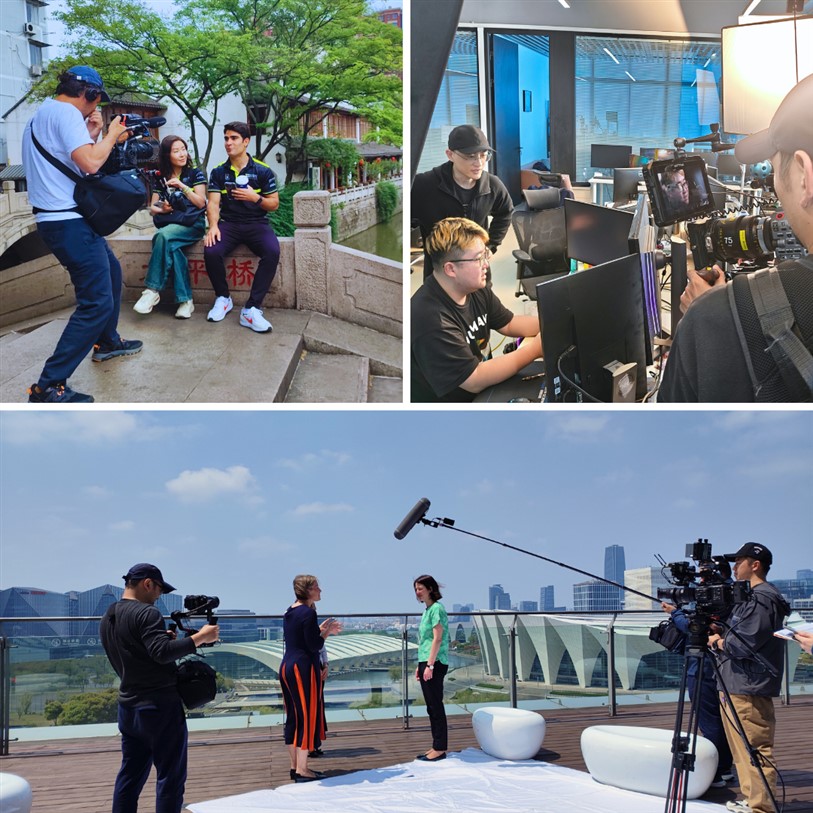
Beijing film equipment rental is often one of the first practical decisions for international crews planning a shoot in China’s capital. The city has a mature production market, strong technical crews, established rental houses, and access to professional camera, lighting, grip, and sound equipment.
For visiting producers, renting locally can reduce shipping issues, customs delays, and transport costs. It also gives your team more flexibility if the shoot changes during production. Therefore, many documentary, commercial, corporate, and broadcast crews choose to build their technical package in Beijing rather than bringing everything from overseas.
Shoot In China supports international productions across China with bilingual English-Chinese production help, crew hire, equipment rental coordination, location services, fixer support, logistics, and post-production. Based in Shanghai since 2012, we help productions work efficiently in Beijing, Shanghai, Shenzhen, Guangzhou, Chengdu, Hong Kong, and other major cities.
Why Beijing Film Equipment Rental Matters
Beijing is one of China’s most important production centers. It supports documentaries, commercials, television projects, corporate films, branded content, interviews, and institutional shoots.
The city has strong rental infrastructure because of its long history in media, advertising, film, and broadcast production. As a result, producers can access many types of professional equipment locally.
However, equipment rental is not only about choosing a camera body or a lighting kit. The rental plan must match the production schedule, crew structure, locations, transport plan, and technical workflow.
For example, a simple interview shoot may only need a compact camera package, sound kit, and a small LED lighting setup. A commercial production may need cinema cameras, multiple lens sets, larger lighting units, grip trucks, wireless monitoring, and additional technical crew.
Because of this, early equipment planning helps prevent delays and unnecessary costs.
Renting Equipment Locally vs Bringing Gear to China
Many international producers first consider bringing their own equipment to China. In some cases, this makes sense. However, for many productions, local equipment rental in Beijing is more practical.
Shipping equipment into China can involve customs documents, temporary import procedures, carnet planning, insurance checks, and possible delays. In addition, flying with large camera, lighting, and grip packages can create extra baggage costs and logistical pressure.
Local rental can simplify the process. You can source cameras, lenses, lighting, grip, monitors, sound equipment, drones, and accessories from Beijing-based suppliers. If a production need changes, the rental house may also help adjust the package faster than an overseas supplier could.
This flexibility is useful when schedules are tight or locations are still being finalized.
Beijing Film Equipment Rental Options
Professional rental houses in Beijing can support a wide range of production needs. Availability depends on the supplier, timing, and specific equipment request. Therefore, it is best to check early, especially during busy production periods.
Common rental options include:
- Digital cinema cameras
- Documentary camera kits
- Cinema lens packages
- Photo and video lenses
- LED lighting systems
- HMI and tungsten fixtures
- Softboxes, diffusion, and modifiers
- Grip equipment
- C-stands and rigging tools
- Camera support systems
- Tripods, sliders, gimbals, and dollies
- Wireless video systems
- Monitors and video village setups
- Sound recording equipment
- Wireless microphones
- Teleprompters
- Drone equipment and operators
- Generators and power distribution
- Data management accessories
The right package depends on the production type. Therefore, we usually start with the brief, shot list, locations, crew size, and visual style before recommending a rental setup.
Camera Rental in Beijing
Camera choice shapes the whole technical workflow. It affects lens selection, power needs, media requirements, data management, monitoring, color workflow, and crew structure.
Beijing rental houses often carry professional digital cinema cameras and broadcast-ready systems used for commercials, documentaries, interviews, and corporate video production.
A camera package may include:
- Camera body
- Lens mount
- Viewfinder or monitor
- Batteries and chargers
- Recording media
- Matte box
- Follow focus
- Camera support
- Video transmission
- Timecode accessories
- Data workflow tools
Before the shoot, camera assistants usually check the full package. They test recording settings, frame rates, codecs, power systems, lens compatibility, monitoring, and media. This preparation reduces technical problems on set.
For international crews, this step is important. It helps confirm that the Beijing equipment package fits the overseas post-production workflow.
Lens Rental for Commercials, Interviews, and Documentaries
Lens choice affects the look of your project as much as the camera body. Beijing equipment suppliers may offer cinema primes, zooms, documentary lenses, stills lenses, macro lenses, and specialty optics.
For corporate interviews, a practical lens package may include clean, reliable zooms or a small prime set. For commercials, producers may choose higher-end cinema lenses to create a more controlled visual style.
For documentaries, flexibility is often more important. A compact zoom setup may help crews move quickly between locations, especially when filming real people or unscripted scenes.
When planning lens rental, it is useful to confirm:
- Camera mount
- Sensor coverage
- Focal length needs
- Interview room size
- Low-light performance
- Focus control
- Weight and rigging
- Matching between lenses
- Look and contrast
- Post-production requirements
A local camera assistant can help test the lenses before the shoot.
Lighting Equipment Rental in Beijing
Lighting is a major part of most Beijing film equipment rental packages. Even small interview shoots often need controlled lighting to create a professional result.
Rental options may include LED panels, COB lights, tube lights, HMI fixtures, tungsten lights, softboxes, diffusion frames, flags, reflectors, stands, and power distribution.
For corporate interviews, the lighting setup may stay compact. The goal is usually to make the subject look good while keeping setup time reasonable.
For commercials or branded films, lighting packages can become more complex. The crew may need larger fixtures, grip support, generators, diffusion frames, and more setup time.
During pre-production, it helps to review the location carefully. Ceiling height, room size, windows, wall color, available power, and noise levels can all affect the lighting plan.
Grip Equipment and Camera Movement
Grip equipment supports lighting, camera movement, rigging, and set safety. It is often less visible than cameras and lenses, but it plays a key role in the final result.
Common grip rental items include:
- C-stands
- Light stands
- Combo stands
- Flags and cutters
- Clamps and rigging hardware
- Sandbags
- Dollies and tracks
- Sliders
- Jibs and cranes
- Car mounts
- Overhead frames
- Apple boxes
- Camera platforms
For simple interviews, basic grip support may be enough. However, commercial productions may require more detailed grip planning.
If your project involves camera movement, large lighting setups, or unusual locations, the grip team should be involved early. This helps protect both safety and schedule.
Sound Equipment Rental in Beijing
Sound is critical, especially for interviews, documentaries, corporate films, and broadcast projects. A good image cannot save poor audio.
Beijing productions may rent sound kits that include field recorders, boom microphones, wireless lavalier systems, timecode tools, headphones, mixers, and backup accessories.
For interviews, the sound recordist may use both lavalier microphones and a boom. This gives the editor more options in post-production.
Location sound checks also matter. Beijing offices, hotels, restaurants, factories, and public spaces can have air conditioning noise, traffic, construction, echo, or crowd sound. Therefore, the sound team should assess the location before recording begins.
Equipment Delivery and Local Logistics
Once the equipment package is confirmed, delivery planning becomes important. Beijing is a large city, and traffic can affect timing.
Equipment may be delivered to a studio, hotel, office, production base, or filming location. For larger packages, the team may need vans, loading access, parking approval, freight elevators, or extra crew for handling.
Good logistics planning should confirm:
- Delivery address
- Loading point
- Access time
- Contact person
- Parking rules
- Elevator access
- Equipment storage
- Setup area
- Return schedule
- Backup plan
This is especially important for shoots in high-rise offices, hotels, government-linked buildings, shopping malls, factories, and busy public areas.
Working With Local Technical Crew
Equipment rental works best when paired with experienced local crew. Camera assistants, gaffers, grips, sound recordists, and DITs often know the rental suppliers and equipment habits in Beijing.
This can make setup faster and safer. Local technicians understand power conditions, transport challenges, location restrictions, and common production workflows.
For international teams, local crew also helps reduce communication gaps. They can speak with rental houses, troubleshoot equipment, and explain technical needs in Chinese.
Shoot In China can help arrange both equipment rental and crew support. This creates a cleaner workflow than managing separate suppliers without local coordination.
Beijing Equipment Rental for Different Production Types
Different productions need different rental plans. A strong equipment package should fit the job, not just look impressive on a list.
Corporate Interviews
Corporate interview shoots usually need a clean camera setup, reliable sound, controlled lighting, and a practical crew. The package should be efficient and not too heavy.
A typical setup may include one or two cameras, interview lenses, LED lights, stands, diffusion, sound kit, monitor, and basic grip.
Documentary Shoots
Documentaries often need mobility. The equipment should be light enough for quick movement but strong enough for changing conditions.
A documentary kit may include a compact cinema or broadcast camera, zoom lenses, wireless audio, batteries, handheld support, small lights, and portable media tools.
Commercial Productions
Commercial shoots usually need more control. The rental package may include high-end cameras, cinema lenses, larger lighting units, grip equipment, wireless monitoring, playback, and a bigger technical crew.
Pre-lighting or equipment prep days may also be needed.
Event and Conference Filming
Events may need multi-camera setups, long-recording media, live audio feeds, tripods, wireless systems, lighting, and sometimes live streaming support.
Because events cannot easily be repeated, backup equipment and clear technical planning are important.
Remote Production
For remote production, equipment must support clear monitoring and communication with overseas clients. This may include streaming tools, client monitors, proxy recording, and reliable file transfer planning.
Cross-City Equipment Planning in China
Some productions start in Beijing but continue to other cities such as Shanghai, Shenzhen, Guangzhou, Chengdu, Xi’an, or Hong Kong.
In these cases, producers must decide whether to travel with the equipment or rent separately in each city.
Traveling with one package can keep the look consistent. However, it may add transport costs and risk. Renting locally in each city can simplify logistics, but the team must confirm that similar equipment is available.
For multi-city shoots, Shoot In China can help compare both options. We consider schedule, budget, equipment availability, crew familiarity, and transport risk before suggesting a plan.
How Shoot In China Supports Equipment Rental in Beijing
Shoot In China helps international crews plan equipment rental as part of the wider production workflow. We do not only send a rental list. Instead, we help connect the gear with the actual shoot plan.
Our support can include:
- Equipment package planning
- Camera, lighting, grip, and sound rental coordination
- Local crew hire
- Bilingual communication with suppliers
- Gear delivery and return planning
- Technical prep coordination
- Location logistics
- Transport support
- Remote production setup
- Post-production workflow coordination
Because we also support location scouting, fixer services, permits, crew, logistics, and post-production, we can help producers avoid gaps between departments.
This is useful for international teams that need one local partner to keep the production organized.
Practical Tips for Beijing Film Equipment Rental
Before confirming your rental package, it helps to prepare the key production details.
Useful information includes:
- Shoot dates
- Number of filming days
- Production type
- Camera format requirements
- Lens preferences
- Lighting style
- Sound needs
- Location types
- Crew size
- Power limitations
- Transport plan
- Remote viewing needs
- Post-production workflow
- Budget range
Also, allow time for equipment prep when possible. A short test can reveal missing cables, wrong mounts, media issues, power problems, or monitoring conflicts before the shoot day.
Finally, avoid overbuilding the package. More equipment is not always better. The best rental setup is the one that helps the crew work efficiently and safely.
Beijing Film Equipment Rental With Production Support
If you need Beijing film equipment rental for a documentary, commercial, corporate video, interview, event, broadcast project, or remote production, Shoot In China can help coordinate the process.
Since 2012, our bilingual English-Chinese team has supported international productions across China with equipment rental, crew hire, fixer services, location support, permits, logistics, and post-production.
Whether you are filming only in Beijing or planning a multi-city production across China, we can help you build a practical equipment package and connect it with the right local crew.
Contact Shoot In China to discuss your Beijing production.