China DIT: Digital Imaging Technician Production Guide

Modern film and video production relies heavily on digital workflows. Cameras now generate large volumes of high-resolution footage that must be managed carefully during filming. This responsibility often falls to the Digital Imaging Technician, commonly known as the DIT.

For international productions working in China, the DIT plays an increasingly important role. High-end commercials, brand campaigns, and documentary productions frequently shoot with digital cinema cameras that generate large data volumes each day. Managing these files securely is essential to prevent data loss and maintain a consistent visual workflow.

China’s production industry has adopted digital imaging practices similar to those used in other major film markets. Experienced DIT professionals work closely with cinematographers, camera departments, and post-production teams to ensure that footage is recorded, backed up, and organized correctly.

Understanding how DIT workflows function within Chinese productions helps international teams maintain efficient production pipelines.

China DIT: Digital Imaging Technician Production Guide

The Role of a Digital Imaging Technician

The Digital Imaging Technician is responsible for managing digital image data during filming. While the cinematographer oversees the creative visual style, the DIT focuses on the technical handling of image files and monitoring systems.

Typical responsibilities include:

• managing camera media and data transfers
• creating verified backups of recorded footage
• monitoring image exposure and color accuracy
• preparing viewing monitors for directors and clients
• organizing footage for post-production

The DIT acts as a technical bridge between the camera department and the editorial workflow. Their role ensures that footage captured during production can move smoothly into post-production without technical complications.

In productions using high-end digital cameras, the DIT often becomes a key technical advisor on set.


Data Management and Backup Workflow

One of the most critical responsibilities of the DIT is protecting recorded footage through secure data management. Digital cinema cameras record onto removable media such as memory cards or solid-state drives.

During filming, these media cards are regularly transferred to the DIT station where the data is copied to multiple storage drives.

A typical workflow includes:

• ingesting camera media into the DIT workstation
• creating at least two verified backups
• checking file integrity after transfer
• organizing footage by scene and camera roll

Verification software ensures that copied files match the original data exactly. This process prevents corruption or loss of footage.

Once the data is safely stored, camera media can be cleared and returned to the camera department for continued shooting.


On-Set Monitoring and Image Management

In addition to data backup, the DIT often assists with on-set image monitoring. Cinematographers may rely on the DIT to ensure that the recorded image matches the intended visual style.

This process can involve:

• monitoring exposure levels
• applying temporary color adjustments for viewing
• calibrating production monitors
• managing playback for directors or clients

While these adjustments do not permanently alter the recorded footage, they allow the creative team to preview how the final image may appear after color grading.

The DIT station therefore becomes an important hub where directors, producers, and cinematographers can review footage during filming.


Equipment Used by DIT Professionals

DIT setups typically include specialized hardware designed for high-speed data management and accurate image monitoring.

A typical DIT station may include:

• a high-performance computer workstation
• high-capacity storage drives
• data transfer interfaces for camera media
• color-calibrated reference monitors
• backup power systems

Additional tools may include waveform monitors and color calibration devices that assist in evaluating image exposure and color balance.

Because digital cameras now produce extremely large files, DIT systems must be capable of transferring and backing up footage quickly to keep pace with production schedules.


Collaboration With the Camera Department

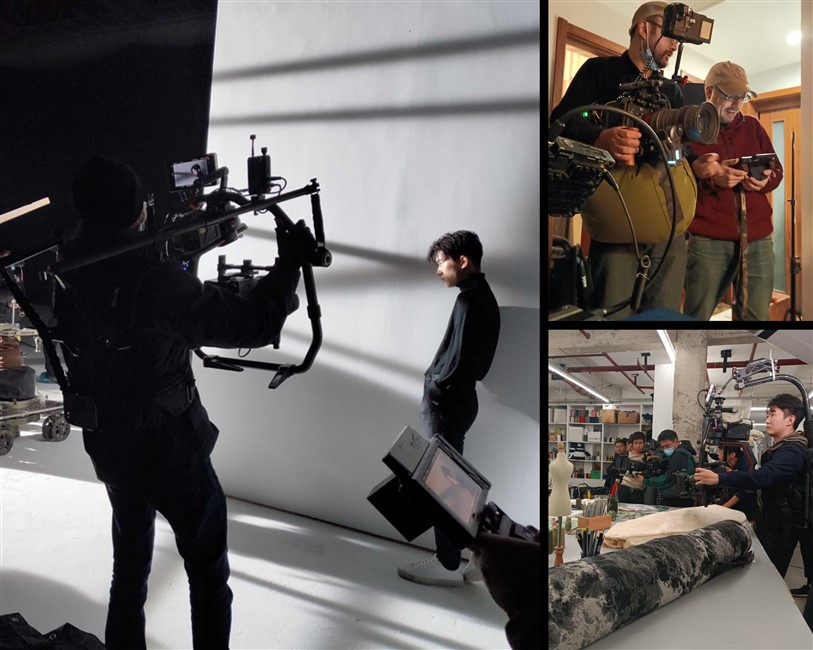
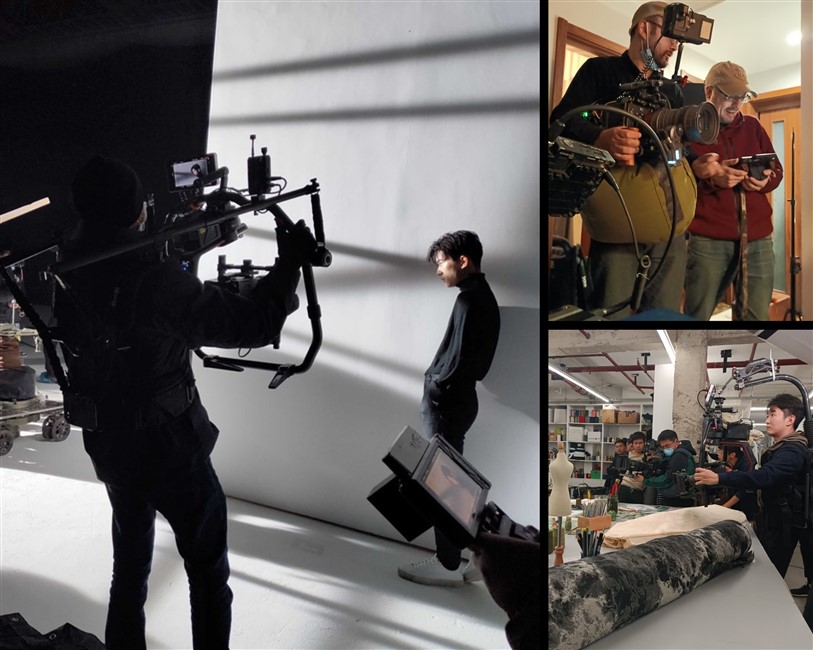
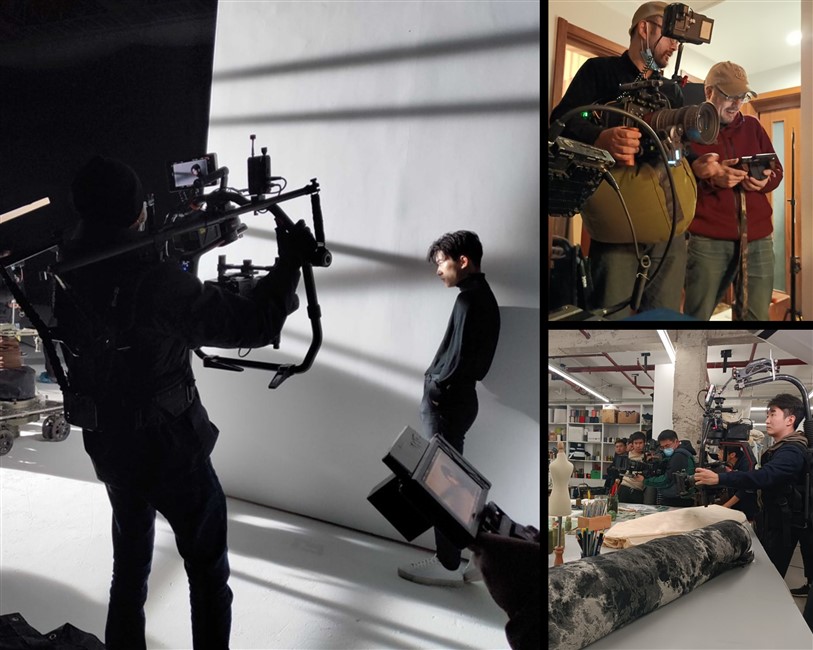
The DIT works closely with the camera department throughout production. Camera assistants deliver recorded media to the DIT station and receive cleared cards once data transfers are completed.

Communication between the DIT and cinematographer is also important when monitoring image quality.

If exposure issues or technical anomalies appear during recording, the DIT may alert the cinematographer so adjustments can be made immediately.

This collaboration helps prevent problems that might otherwise be discovered only during post-production.

The DIT therefore plays a preventative role in maintaining both technical and visual consistency throughout the shoot.


Workflow for Commercial and Branded Productions

Commercial productions in China frequently rely on DIT workflows because advertising shoots often involve high-resolution camera systems and complex visual requirements.

Brand campaigns may involve multiple cameras, high frame rates, or specialized recording formats. These setups generate significant amounts of data during filming.

The DIT manages this data flow while ensuring that footage remains organized for editorial teams.

On larger commercial sets, directors and agency representatives often review footage between takes. The DIT provides playback systems that allow the creative team to examine shots immediately after recording.

This ability to review footage on set helps confirm that scenes meet the campaign’s visual expectations.


Data Management for Documentary and Corporate Projects

While DIT roles are most common on commercial productions, documentary and corporate projects increasingly rely on similar workflows.

Documentary productions often shoot extended interviews or long observational sequences. Managing this footage efficiently becomes important when multiple shooting days are involved.

Corporate productions may also record interviews, factory operations, or product demonstrations across several locations.

Even when the production scale is smaller, secure data management ensures that footage remains organized and accessible for editors once filming is completed.

For these projects, the DIT role may sometimes be combined with a data wrangler or assistant editor.


Cross-City Productions and Data Transport

Many productions in China involve filming across multiple cities. Commercial campaigns may combine urban environments with factory or landscape locations.

In these situations, the DIT must manage data transfers and storage carefully during travel.

High-capacity hard drives containing recorded footage are often transported between locations or delivered to post-production teams.

Data security becomes an important consideration. Productions typically maintain multiple backup copies stored separately to reduce the risk of loss during transport.

China’s transportation infrastructure allows production teams to move equipment and data between cities efficiently, but careful handling of storage drives remains essential.


Communication With Post-Production Teams

The DIT also plays a role in preparing footage for editorial workflows. Organized file structures, accurate metadata, and consistent naming conventions help editors locate footage quickly.

For productions involving international post-production teams, the DIT may coordinate file delivery formats and color workflow settings.

Clear communication between the DIT and editors ensures that footage captured on location can be processed smoothly once it reaches the editing stage.

This coordination becomes especially important for productions operating under tight deadlines.


Practical Considerations for International Producers

Hiring a DIT in China can significantly improve production efficiency when working with high-resolution digital cameras. Proper data management protects footage while maintaining a clear workflow between production and post-production teams.

International producers often consider several factors when planning digital imaging workflows:

• camera recording formats
• expected daily data volume
• number of cameras on set
• post-production delivery requirements

Matching the DIT setup to the scale of the production helps prevent data bottlenecks during filming.

China’s production industry now includes experienced DIT professionals capable of supporting both domestic and international projects. When integrated effectively with the camera department and post-production teams, these specialists ensure that digital footage is handled securely and efficiently throughout the entire production process.

China Sound Recordist: Production Sound Crew Guide

Production sound is often underestimated until problems appear in post-production. While camera departments receive most attention during filming, audio recording determines whether interviews, dialogue, and ambient sound can actually be used in the final edit. For productions working in China, hiring an experienced sound recordist becomes particularly important because filming environments often present acoustic challenges.

China’s commercial and documentary production industry includes a large pool of professional production sound technicians. These professionals are commonly referred to by several titles, including sound recordist, sound mixer, sound operator, soundman, or simply “soundie.” On larger productions, they may work with additional crew such as boom operators and sound assistants.

For international productions, understanding how sound crews operate locally helps ensure smooth collaboration between camera, lighting, and production teams.

This guide explains how production sound departments typically function in China and how international producers integrate sound teams into commercial and documentary filming workflows.

China Sound Recordist: Production Sound Crew Guide

Understanding the Role of the Sound Recordist

The sound recordist is responsible for capturing clean dialogue and environmental audio during filming. While the director of photography oversees the visual image, the sound recordist manages the audio environment on set.

Their responsibilities often include:

• recording dialogue using lavalier or boom microphones
• monitoring audio levels during filming
• managing wireless microphone systems
• coordinating with camera and lighting teams
• recording ambient sound for post-production

Because many productions rely heavily on interviews or dialogue-driven scenes, the sound recordist plays a critical role in maintaining technical quality.

Unlike camera work, audio problems are often difficult or impossible to fix later. This makes careful monitoring and preparation essential during filming.


Sound Department Structure on Production Sets

The size of the sound department depends largely on the scale of the production. Smaller shoots often involve a single sound recordist managing both recording and microphone placement.

On larger productions, the sound department may include multiple roles.

A typical structure might include:

• production sound mixer (sound recordist)
• boom operator
• sound assistant or utility technician

The sound mixer manages the recording equipment and monitors audio signals. The boom operator handles microphone placement during dialogue scenes.

Sound assistants may manage wireless systems, batteries, and equipment preparation.

Many sound crews in China work together regularly across projects. These established teams allow productions to move efficiently when schedules are tight.


Equipment Used by Sound Recordists

Production sound equipment typically includes portable digital recorders, wireless microphone systems, and directional microphones.

Common audio setups include:

• field audio recorders and mixing units
• wireless lavalier microphone systems
• shotgun microphones mounted on boom poles
• audio monitoring headsets
• backup recording systems

Modern digital recorders allow multiple microphone channels to be captured simultaneously. This flexibility is important for interview-based productions or scenes involving multiple speakers.

China’s major production centers maintain reliable rental infrastructure for audio equipment. Many sound recordists also maintain their own professional kits, which simplifies equipment logistics for smaller productions.


Audio Challenges in Urban Filming Environments

Filming in Chinese cities often introduces significant audio challenges. Urban environments can include constant background noise from traffic, construction, and pedestrian activity.

Crowded public areas may produce unpredictable sound interruptions, while indoor locations sometimes create echo or reverberation problems.

Sound recordists address these issues by selecting appropriate microphones and positioning them carefully. Boom microphones are often used to isolate dialogue, while lavalier microphones provide backup audio sources.

Experienced sound professionals also monitor ambient noise levels throughout filming. If environmental noise becomes too disruptive, they may request brief pauses in shooting to ensure usable recordings.

These decisions require constant coordination with the director and camera team.


Coordination Between Sound and Camera Departments

Sound recording must operate closely with the camera department. Microphone placement, boom movement, and wireless transmitter positioning all depend on camera framing.

The boom operator often works just outside the camera frame, positioning the microphone as close to the subject as possible without entering the shot.

This coordination requires clear communication between departments. The sound team must know when camera angles change or when actors move within a scene.

For interview-based productions, the sound recordist often works directly with the director and producer to ensure that questions and responses are captured clearly.

When camera and sound departments collaborate effectively, filming proceeds smoothly without interruptions caused by technical conflicts.


Working Conditions for Corporate and Documentary Shoots

Corporate productions frequently involve interviews with executives, engineers, or factory managers. These shoots typically take place in offices, conference rooms, or manufacturing facilities.

Sound recordists must adapt to a variety of acoustic environments. Conference rooms may produce echo, while industrial locations may introduce machinery noise.

Documentary productions present even more dynamic conditions. Interviews may occur outdoors, in homes, or in crowded urban environments.

Because documentary crews often operate with smaller teams, the sound recordist must work efficiently with minimal setup time.

Portable recording systems and wireless microphones allow the sound team to move quickly between locations while maintaining audio quality.


Cross-City Productions and Travel Logistics

Many international projects in China involve filming across multiple cities. Corporate videos may include interviews at company offices in several regions, while documentaries often travel between different locations.

Sound equipment must therefore remain portable and reliable during travel.

Most sound recordists use compact equipment kits designed for mobility. Recorders, microphones, wireless systems, and monitoring equipment can typically fit within a few protective cases.

China’s transportation infrastructure makes cross-city travel relatively efficient. High-speed rail connections allow production teams to move equipment quickly between major cities.

Careful planning ensures that audio equipment arrives safely and remains ready for immediate use.


Bilingual Communication and Interview Recording

Language coordination is another important aspect of production sound work in China. Interviews may involve Chinese-speaking participants, international producers, and translators.

During interviews, translators often sit near the camera to interpret questions or responses. The sound recordist must ensure that both the original dialogue and translated audio are recorded clearly.

Multiple microphone channels may be used to capture each participant separately.

Accurate audio recording is especially important for documentary productions where spoken content forms the backbone of the story.

Clear communication between the sound team, translators, and producers helps ensure that interviews proceed smoothly.


Safety and Technical Management on Set

Production sound departments also manage technical safety considerations related to audio equipment.

Wireless microphone systems must operate within appropriate frequency ranges to avoid interference. In crowded urban environments, radio signals from other devices can sometimes affect wireless audio transmission.

Sound recordists monitor these signals carefully and adjust frequencies when necessary.

Battery management is another important responsibility. Wireless transmitters, receivers, and recorders must maintain sufficient power throughout long shooting days.

Because audio equipment is often worn by interview subjects or mounted near actors, secure mounting and cable management are essential for both safety and comfort.


Practical Considerations for International Producers

Hiring a professional sound recordist in China ensures that productions maintain high audio quality throughout filming. Experienced sound crews understand how to adapt to the unique acoustic conditions found in busy cities, industrial environments, and documentary locations.

For international productions, working with a local sound team offers several advantages. These professionals are familiar with local equipment suppliers, transportation logistics, and common filming environments.

When planning production sound, producers typically focus on three factors:

• the complexity of the shooting environment
• the number of people speaking on camera
• the mobility required for the project

Matching the sound crew structure to the needs of the production helps prevent audio problems that might otherwise complicate post-production.

China’s production industry offers a wide range of experienced sound professionals. When integrated effectively with the camera and lighting departments, these teams ensure that dialogue, interviews, and environmental sound are captured with clarity and reliability.

China Gaffer: Film Lighting Crew & Production Guide

Lighting is one of the most critical elements in film and video production. While cameras and lenses often receive the most attention, the lighting department shapes how a scene ultimately appears on screen. Within that department, the gaffer plays a central role in translating a cinematographer’s vision into a practical lighting setup.

In China’s production environment, the gaffer operates within a structured lighting team that works closely with the director of photography, grip department, and production management. For international productions entering China, understanding how lighting crews operate locally helps avoid delays and technical misunderstandings during filming.

China’s commercial production industry includes highly skilled lighting teams with experience across advertising, documentary, and corporate filmmaking. Many gaffers regularly collaborate with international cinematographers and directors.

This guide explains how gaffers and lighting crews operate within China’s production ecosystem and how international producers typically integrate them into commercial filming workflows.

China Gaffer: Film Lighting Crew & Production Guide

The Role of a Gaffer in Chinese Film Productions

The gaffer is the head of the lighting department. Their primary responsibility is to design and manage the lighting setup required for each shot.

Working closely with the director of photography, the gaffer translates visual concepts into practical lighting arrangements. This includes selecting lighting fixtures, determining placement, and coordinating the technical crew responsible for rigging and power distribution.

In China’s production system, the gaffer typically leads a team of lighting technicians who handle equipment setup and adjustments during filming.

Responsibilities often include:

• planning lighting diagrams with the cinematographer
• supervising lighting technicians
• coordinating power distribution and safety
• adjusting lighting setups during shooting

Because lighting setups can change frequently during production, the gaffer must manage both technical planning and rapid on-set adjustments.


Structure of the Lighting Department

The lighting department in Chinese productions usually consists of several roles working together under the gaffer’s supervision.

Lighting technicians handle fixture setup, cabling, and rigging. They install lights, position stands, and adjust lighting angles as instructed by the gaffer.

Grip teams often collaborate closely with lighting crews. While grips focus on rigging equipment and camera movement systems, their work frequently overlaps with lighting installations.

On larger commercial productions, the lighting department may include several technicians responsible for different areas of the set.

Because many crew members work together repeatedly across projects, experienced gaffers often assemble teams that are already familiar with each other’s working methods.


Lighting Equipment and Rental Infrastructure

China’s major production hubs maintain extensive inventories of professional lighting equipment. Modern LED fixtures, high-output cinema lights, and traditional tungsten systems are widely available through local rental houses.

Lighting packages often include:

• LED panels and flexible light mats
• high-output studio lights
• softboxes and diffusion frames
• stands, rigging systems, and power distribution equipment

Because these rental ecosystems are well developed, international productions rarely need to import lighting gear into China. Local sourcing simplifies logistics and allows crews to adjust equipment selections quickly during pre-production.

Gaffers often collaborate with rental technicians to assemble lighting packages that match the cinematographer’s visual plan.


Lighting Design and Collaboration With Cinematographers

Lighting design typically begins during pre-production. The cinematographer and gaffer review locations, discuss visual references, and determine how lighting will support the narrative or commercial concept.

Location scouting plays an important role in this process. The gaffer evaluates available natural light, ceiling height, electrical capacity, and rigging options.

These observations influence decisions about lighting placement and equipment requirements.

During filming, the gaffer monitors lighting consistency and adjusts setups to maintain visual continuity across shots.

Because commercial productions often involve complex lighting designs, clear communication between the gaffer and cinematographer ensures that visual goals remain achievable within the practical constraints of the location.


Working Conditions on Commercial Productions

Commercial shoots in China often operate under tight schedules. Advertising campaigns, brand films, and product commercials may require multiple setups within a single day.

The lighting department must therefore work quickly and efficiently. Gaffers typically prepare lighting plans in advance to reduce setup time on location.

Crew coordination is essential. Lighting technicians adjust fixtures while grip teams assist with rigging or camera movement equipment.

When experienced crews work together, lighting setups can be completed quickly while maintaining precise control over the visual environment.

This efficiency is particularly important when filming in urban locations where production schedules must accommodate location access limitations.


Location Constraints and Lighting Strategies

China’s dense urban environments sometimes impose restrictions on production equipment. Large lighting rigs or generators may not be feasible in certain locations.

Gaffers often adapt by designing compact lighting setups using modern LED systems. These fixtures provide high output while remaining portable and energy efficient.

Interior locations such as offices or factories may also present challenges related to ceiling height, electrical supply, or reflective surfaces.

During location scouting, the gaffer identifies these constraints and adjusts the lighting plan accordingly. Early planning helps avoid delays once filming begins.


Cross-City Productions and Logistics

Many international projects in China involve filming across multiple cities. Commercial campaigns may combine scenes filmed in urban environments with industrial or natural landscapes.

Lighting equipment and crew must therefore move between locations efficiently.

Some productions transport lighting packages by truck between cities, while others assemble separate lighting teams locally in each region.

The decision often depends on production schedule and equipment availability. Local rental houses in major cities typically maintain similar lighting inventories, which simplifies cross-city planning.

Experienced gaffers coordinate closely with production management to ensure that lighting equipment arrives on schedule for each filming location.


Communication and Bilingual Production Teams

International productions frequently involve creative teams from multiple countries. Directors, agency representatives, and producers may all participate in discussions during filming.

In these situations, bilingual communication becomes essential. Lighting instructions must be clearly understood by technicians, while creative direction from the cinematographer must translate into precise technical adjustments.

Production coordinators often assist with translation, but experienced gaffers also develop familiarity with international production terminology.

This communication structure allows lighting teams to respond quickly to creative changes without interrupting the shooting schedule.


Safety and Electrical Management

Lighting departments are responsible for managing electrical systems and ensuring safety on set. Large lighting setups require careful planning of power distribution and cable routing.

Gaffers oversee these technical aspects while working with lighting technicians to maintain safe working conditions.

Common safety considerations include:

• stable mounting of lighting fixtures
• proper cable management
• electrical load balancing
• coordination with other departments on set

Because commercial productions often involve significant electrical equipment, safety planning becomes a critical part of lighting department responsibilities.


Practical Considerations for International Producers

Working with an experienced gaffer in China can significantly improve production efficiency. Lighting crews with strong technical knowledge and established working relationships help productions maintain both speed and visual quality.

International producers often evaluate lighting teams based on their ability to adapt to location constraints, communicate effectively with cinematographers, and coordinate equipment logistics.

China’s production industry provides a deep pool of skilled lighting professionals. When combined with modern rental infrastructure and experienced technical crews, these teams support a wide range of commercial and documentary productions.

For international productions entering China, understanding how lighting departments operate helps ensure that creative ideas translate smoothly into practical on-set execution.

China Videographer: Corporate & Documentary Shoots

Hiring a videographer in China often involves more than simply selecting a camera operator. For international productions, a videographer frequently operates within a broader production framework that includes local crew coordination, equipment logistics, location management, and bilingual communication.

China’s video production industry has expanded rapidly over the past two decades. Corporate communication, brand marketing, technology documentation, and documentary storytelling all contribute to a steady demand for experienced videographers across major Chinese cities.

For international producers, the practical challenge is understanding how videographers fit into China’s production ecosystem. The role may vary depending on the scale of the project, the type of content being produced, and the structure of the local production team.

This guide explains how videographers typically work in China and how international teams approach corporate and documentary video shoots within the local production environment.

China Videographer: Corporate & Documentary Shoots

Understanding the Role of a Videographer in China

In China’s production environment, the term “videographer” can describe several different roles depending on the project. Smaller productions often use the term to refer to a camera operator who manages both filming and basic equipment setup.

On larger productions, however, the videographer may work within a structured camera department led by a director of photography.

For corporate interviews or documentary shoots, a videographer may handle multiple responsibilities:

• camera operation
• basic lighting setup
• sound coordination
• equipment preparation

These projects often prioritize mobility and efficiency. A compact crew allows production teams to move quickly between locations while maintaining professional image quality.

Understanding how the videographer fits into the production structure helps producers determine whether a single operator or a larger crew is required.


Corporate Video Production Workflows

Corporate video projects represent one of the most common types of productions involving videographers in China. Multinational companies frequently commission internal communications, executive interviews, product demonstrations, and factory documentation.

These productions typically follow a streamlined workflow. A small crew arrives on location, sets up lighting and sound, conducts interviews, and captures supporting footage of the environment.

Corporate shoots often take place in offices, conference rooms, manufacturing facilities, or research laboratories. Because these environments are usually controlled spaces, production logistics are relatively straightforward compared to large commercial shoots.

Videographers working in these settings must balance technical quality with efficiency. Corporate schedules are often tight, and interviews may need to be completed within limited time windows.


Documentary and Editorial Shooting Environments

Documentary projects introduce different challenges. Videographers working on documentaries must adapt to dynamic environments and unpredictable shooting conditions.

Interviews may occur in private homes, small businesses, rural locations, or public spaces. The ability to work with lightweight equipment and flexible lighting setups becomes essential.

Documentary videographers often work closely with directors or producers who guide the storytelling process. While the creative direction may come from the editorial team, the videographer translates those ideas into visual footage.

Mobility plays a major role in documentary production. Compact camera systems and portable audio setups allow crews to move quickly between locations without extensive setup time.


Equipment Planning and Local Rental Infrastructure

Equipment decisions for video shoots in China depend largely on the scale and purpose of the production. Smaller corporate or documentary projects may rely on compact digital cinema cameras or mirrorless systems.

Larger productions often use more advanced camera packages with dedicated lighting and grip equipment.

China’s major production hubs maintain well-developed rental infrastructure. Professional cameras, lenses, lighting systems, and audio equipment can be sourced locally in cities such as Shanghai, Beijing, Shenzhen, and Guangzhou.

For international productions, sourcing equipment locally often simplifies logistics. Importing equipment can involve customs documentation and transportation planning, while local rental houses provide ready-to-use camera packages.

Videographers typically collaborate with production managers to determine which equipment configuration best suits the project.


Location Access and Filming Considerations

Location logistics play a significant role in how videographers operate during shoots. Corporate projects usually take place in private facilities, which simplifies location access.

Documentary projects sometimes involve filming in public environments. In these situations, production teams may coordinate with property managers or local authorities depending on the visibility of the shoot.

Urban locations present additional considerations. Busy streets, commercial districts, and industrial zones often require careful planning to avoid disrupting normal activity.

Videographers must adapt their shooting approach to the location environment. Compact setups and minimal crew footprints often make filming more manageable in crowded spaces.


Working With Local Crew Members

Even when a videographer operates as the primary camera operator, local support crew often assist with production logistics.

Common support roles include:

• production assistants
• sound technicians
• lighting assistants
• drivers or local coordinators

These crew members help manage equipment, organize schedules, and maintain communication with location managers.

Because China’s production industry relies heavily on freelance professionals, videographers frequently work with crew members they know from previous projects. This familiarity helps production teams operate efficiently.

For international producers, working with experienced local crew often simplifies the production process.


Bilingual Communication and Interview Coordination

Language coordination is another important factor when filming in China. Many corporate and documentary projects involve interviews with Chinese-speaking participants.

Bilingual coordinators or translators often assist during these interviews. They help ensure that questions are understood correctly and that responses can be translated accurately.

Videographers must also coordinate with translators to maintain natural conversation flow during interviews. Camera placement, lighting adjustments, and sound monitoring all continue while translation occurs.

Clear communication between all participants helps interviews proceed smoothly and ensures that the final footage captures meaningful responses.


Scheduling and Production Efficiency

Production schedules for corporate and documentary shoots often operate within tight timeframes. Companies may allocate only a few hours for executive interviews, while documentary projects may need to capture multiple locations within a single day.

Videographers contribute significantly to maintaining efficiency during these shoots. Preparing equipment in advance, organizing lighting setups, and coordinating with crew members all help reduce setup time.

Efficient scheduling becomes especially important when productions move between multiple locations. Transportation logistics, equipment packing, and location access must all align with the day’s timeline.

When planning is handled carefully, even small crews can complete complex shooting schedules.


Regional Differences in Video Production

China’s major cities offer different filming environments for videographers. Each region presents unique logistical conditions and production opportunities.

Shanghai and Beijing host a large share of corporate headquarters, international agencies, and media organizations. These cities offer diverse filming locations and strong rental infrastructure.

Shenzhen and Guangzhou frequently host technology and manufacturing-related productions. Factories, laboratories, and product development facilities provide unique filming environments.

Rural regions and smaller cities may require additional travel coordination but often offer distinctive visual settings for documentary storytelling.

Understanding these regional differences helps production teams plan schedules and crew arrangements more effectively.


Practical Considerations for International Producers

Hiring a videographer in China requires understanding how the role integrates with the broader production environment. Videographers often collaborate closely with local crew members, production coordinators, and translators.

For international producers, preparation remains the most important factor. Clear communication about the project’s goals, shooting locations, and technical requirements allows videographers to plan effectively.

Corporate and documentary productions each present different challenges, but both benefit from experienced professionals who understand how filming operates within China’s logistical and regulatory framework.

When planning and coordination are handled carefully, videographers in China can deliver high-quality results across a wide range of production environments.

China Cinematographer: Hiring a Director of Photography

Selecting the right cinematographer is one of the most important decisions in any production. When filming in China, this decision also intersects with production logistics, crew coordination, and equipment planning. International producers often arrive with creative concepts but quickly discover that the director of photography plays a central role in bridging creative goals with local production realities.

China’s commercial production industry includes a large pool of experienced cinematographers who regularly work across advertising, documentary, corporate communication, and narrative projects. Many directors of photography in China collaborate with both domestic productions and international crews.

For producers unfamiliar with the local industry, understanding how cinematographers operate within China’s production ecosystem can help ensure smoother collaboration and more efficient filming.

This guide explains how directors of photography typically work within Chinese productions and how international teams evaluate and collaborate with cinematographers when filming in China.

China Cinematographer: Hiring a Director of Photography

The Role of a Cinematographer in Chinese Productions

The cinematographer, or director of photography, is responsible for shaping the visual language of a production. While this responsibility is similar worldwide, the working structure in China can involve slightly different dynamics.

In many commercial projects, the cinematographer collaborates closely with both the director and the production management team. Because productions often assemble crews from freelance networks, the director of photography may also participate in recommending camera assistants, lighting technicians, and key technical staff.

This role extends beyond camera operation. The cinematographer contributes to decisions involving lighting design, camera movement, lens selection, and technical workflow.

For international productions, the cinematographer also becomes a key translator of creative intentions into practical shooting plans that align with local crew capabilities and equipment availability.


Working With International Directors and Agencies

China’s production industry frequently hosts international directors, advertising agencies, and brand representatives. In these situations, cinematographers often act as an operational bridge between creative leadership and the local crew.

Directors arriving from abroad may bring a strong visual concept but limited familiarity with the local production environment. The cinematographer helps translate that concept into a workable shooting plan.

This often involves discussions around:

• lighting strategies for specific locations
• camera systems available locally
• crew size and technical requirements
• location constraints in urban environments

The director of photography’s experience with international teams becomes particularly valuable when production schedules are tight. Efficient communication helps ensure that creative expectations remain realistic within the logistical framework of the shoot.


Equipment Planning and Camera System Decisions

Camera equipment planning is closely tied to the cinematographer’s role. Directors of photography typically advise production teams on which camera systems and lenses best suit the project.

China’s major production hubs maintain extensive rental inventories, including high-end digital cinema cameras, lens packages, lighting systems, and grip equipment. Because of this infrastructure, cinematographers often prefer sourcing equipment locally rather than importing gear.

Local rental houses also maintain experienced technical teams who prepare camera packages and assist with troubleshooting during production.

The cinematographer works with production management to confirm that equipment selections align with both creative goals and logistical realities. This planning usually takes place during early pre-production discussions.


Lighting Teams and Technical Crew Structure

Lighting design is one of the areas where the cinematographer collaborates most closely with the crew. In Chinese productions, lighting departments typically consist of a gaffer and a team of lighting technicians.

Grip crews manage rigging, camera movement equipment, and support systems such as dollies or cranes. Camera assistants handle focus pulling, camera setup, and equipment maintenance.

Because these crew members often work together across multiple projects, experienced cinematographers usually maintain relationships with trusted teams.

This familiarity helps productions move efficiently on set. When crew members understand each other’s working styles, technical setups can be completed more quickly and communication flows more smoothly.


Location Challenges and Visual Planning

China’s dense urban environments present unique visual and logistical considerations. Cinematographers working in major cities often adapt their lighting and camera strategies to fit specific location constraints.

Busy city streets, commercial districts, and industrial facilities may impose restrictions on equipment size or crew footprint. Large lighting rigs or camera cranes may require additional coordination with location management.

As a result, cinematographers frequently design lighting setups that balance visual impact with practical limitations.

Pre-production location scouting allows the cinematographer to assess these conditions early. Decisions about camera placement, lighting angles, and movement equipment often depend on what the location realistically allows.


Regional Production Differences

China’s major production centers each offer slightly different working environments for cinematographers.

Cities such as Shanghai and Beijing host many large-scale commercial productions and maintain well-developed rental infrastructure. These cities also offer diverse urban locations that support a wide range of visual styles.

Southern production hubs such as Shenzhen and Guangzhou often host projects related to technology, manufacturing, and corporate communication.

Because of these differences, cinematographers working nationwide adapt their visual approach depending on location conditions, architecture, and available production resources.

International producers benefit from cinematographers who have experience across multiple regions and understand how production conditions vary.


Scheduling and Production Efficiency

Commercial productions in China often operate under compressed schedules. Advertising campaigns, corporate projects, and branded content shoots frequently require rapid setup and execution.

The cinematographer contributes significantly to maintaining production efficiency. By planning camera setups and lighting arrangements carefully during pre-production, the director of photography helps reduce delays on set.

Clear shot lists, lighting diagrams, and equipment preparation all support efficient shooting days.

When production teams work with experienced cinematographers and established crew networks, filming schedules tend to move quickly while maintaining technical quality.


Communication Between Creative and Technical Teams

International productions often involve participants from multiple countries. Directors, agency representatives, producers, and clients may all contribute to creative discussions during filming.

The cinematographer plays a key role in maintaining clarity between creative decisions and technical execution.

During production, the director of photography communicates with:

• the director regarding visual storytelling
• lighting teams regarding setup adjustments
• camera assistants regarding equipment preparation
• production managers regarding scheduling

When these communication channels function smoothly, production teams can adapt quickly to changes in creative direction without disrupting the shooting schedule.


Evaluating a Cinematographer for China-Based Productions

Producers selecting a cinematographer for projects in China typically consider several factors beyond visual style.

Experience with international productions is often important. Cinematographers familiar with cross-cultural workflows tend to anticipate logistical challenges more effectively.

Producers may also evaluate:

• familiarity with local rental infrastructure
• ability to collaborate with bilingual crews
• experience shooting in different Chinese cities
• comfort working within compressed schedules

These factors help determine whether the cinematographer can balance creative ambitions with the operational realities of filming in China.


Practical Considerations for International Producers

Hiring a cinematographer in China involves more than selecting someone with an impressive portfolio. The director of photography becomes a key collaborator in shaping both the visual and logistical aspects of the production.

Successful projects often depend on cinematographers who understand how to adapt creative vision to local production environments. Their familiarity with crew networks, equipment availability, and location constraints helps productions run smoothly.

For international producers entering China’s production ecosystem, working with an experienced cinematographer can significantly simplify the process of turning creative ideas into practical filming plans.

When the director of photography, production management, and local crew operate as a coordinated team, China offers a highly capable environment for commercial, corporate, and documentary filmmaking.

Documentary Filming in China: Fixers, Permits & Logistics

Documentary filming in China presents a unique combination of opportunities and logistical considerations. The country offers a wide range of visual environments, from dense urban centers and manufacturing regions to remote landscapes and historic towns. For international filmmakers, however, working in China requires an understanding of how local production structures operate.

Unlike many Western markets, documentary production in China often relies heavily on local coordination. Location access, regulatory awareness, and communication with local communities all play important roles in determining how smoothly a project proceeds.

Many international documentary crews enter China with small teams and flexible shooting plans. While this approach can work, it still requires careful planning. Understanding the operational realities of filming in China helps producers avoid delays and adapt their production strategy to the local environment.

This guide outlines how documentary productions are typically organized, the role of local fixers, and the logistical factors that influence filming across China.

Documentary Filming in China: Fixers, Permits & Logistics

The Documentary Production Environment in China

China’s documentary landscape differs from commercial production in several ways. Documentary teams tend to work with smaller crews, lighter equipment setups, and more flexible shooting schedules.

Despite this flexibility, documentary projects often encounter logistical complexities. Interviews may take place in private homes, factories, rural communities, or public spaces. Each environment involves different levels of coordination.

International crews frequently combine local production support with their own editorial team. Directors, producers, or correspondents may travel with the project while relying on local coordinators to handle logistics.

Because documentary storytelling often depends on spontaneous moments and real-world access, the ability to adapt quickly becomes an essential part of production planning.


The Role of Fixers in Documentary Filming

A fixer plays a central role in many documentary productions working in China. The term refers to a local production coordinator who helps international crews navigate logistics, communication, and location access.

Fixers typically assist with:

• local research and story development
• translation and bilingual communication
• arranging interviews and contacts
• coordinating transportation and schedules
• managing local crew members

For documentary teams unfamiliar with a region, a fixer often becomes the primary bridge between the international production and the local environment.

Their role extends beyond simple translation. Experienced fixers understand how filming activities are perceived by local authorities, property managers, and community members. This awareness helps prevent misunderstandings during production.


Filming Permissions and Regulatory Awareness

Documentary filming in China does not always follow a single permit system. Approval requirements can depend on the type of project, the filming location, and the visibility of the crew.

Projects intended for broadcast distribution may require more formal approval structures. Other documentary shoots may operate through location permissions and coordination with property owners.

When filming in public areas or sensitive environments, local authorities may request prior notification. Requirements often vary between cities and districts.

For many documentary crews, the practical approach involves working closely with local coordinators who understand how regulatory expectations function in specific locations.

Understanding these dynamics early in pre-production helps prevent interruptions once filming begins.


Location Access and Field Logistics

Location access often determines how documentary production schedules unfold. Interviews and observational filming may take place in environments that require advance coordination.

Factories, research laboratories, or government-managed sites typically require formal authorization. Rural communities may require introductions through local contacts or community leaders.

Urban environments also present challenges. Filming with visible cameras or tripods in busy public areas can attract attention from security personnel or local authorities.

Documentary teams often conduct early location visits to assess accessibility and determine whether filming restrictions apply. These scouting efforts provide valuable insight before scheduling full shooting days.


Equipment Strategy for Documentary Crews

Documentary productions generally favor lightweight equipment setups that allow for mobility and flexibility. Small camera packages, portable lighting kits, and compact sound equipment are common choices.

When international crews travel to China, they sometimes bring essential gear with them. However, many productions supplement their equipment locally.

China’s major production cities maintain extensive rental infrastructure. Cameras, lenses, lighting kits, and audio gear can often be sourced locally when needed.

This hybrid approach allows documentary teams to maintain creative consistency while reducing the logistical burden of transporting large equipment packages across international borders.


Working with Local Crew and Translators

Even small documentary projects benefit from working with local crew members. Production assistants, sound technicians, and drivers often provide essential logistical support.

Translation also plays a critical role. Interviews, location negotiations, and everyday production coordination frequently involve bilingual communication.

A translator familiar with production environments helps ensure that both the filmmaking team and local participants understand the context of the project.

Clear communication becomes particularly important when filming interviews. Accurate translation allows documentary subjects to express their ideas naturally while maintaining editorial clarity for international audiences.


Regional Differences in Documentary Filming

China’s regional diversity creates a wide range of production environments. Documentary crews working across multiple provinces often encounter different logistical conditions.

Large metropolitan areas offer modern infrastructure and extensive production resources. At the same time, rural regions may require longer travel times and more localized coordination.

Climate, transportation access, and local administrative practices can also vary significantly. A production schedule that works smoothly in Shanghai may require adjustments in western or northern regions.

Because of these differences, many documentary productions rely on regional coordinators or fixers familiar with specific areas.


Managing Time and Production Flexibility

Documentary filmmaking often requires adaptability. Interviews may be rescheduled, locations may change, or unexpected story developments may shift the direction of filming.

In China, production schedules sometimes incorporate additional buffer time to accommodate logistical adjustments. Travel distances between locations can be significant, particularly when filming outside major urban centers.

Pre-production planning typically focuses on identifying potential challenges before filming begins. Transportation routes, accommodation availability, and communication networks are all considered during scheduling.

A flexible schedule allows documentary teams to respond to new developments without compromising the overall production timeline.


Risk Management and Practical Considerations

Every documentary project involves some degree of uncertainty. When filming in China, these uncertainties are often logistical rather than technical.

Common challenges include:

• location access changes
• weather disruptions
• transportation delays
• communication misunderstandings

Experienced production teams address these risks through preparation. Early research, local coordination, and clear communication with all participants help minimize disruptions.

Maintaining respectful relationships with local communities and authorities also contributes to smoother production experiences.


Practical Takeaways for Documentary Producers

Documentary filming in China benefits from thoughtful preparation and strong local coordination. The country offers an enormous range of stories and environments, but successful productions usually depend on understanding how local systems operate.

International documentary teams often find that working with experienced local fixers and production coordinators simplifies many aspects of the process.

By focusing on location access, communication, and logistical planning, documentary filmmakers can navigate the complexities of filming in China while maintaining the flexibility required for observational storytelling.

When preparation and local knowledge align, China can become a highly rewarding environment for documentary production.

Video Production China: Corporate, Commercial & Documentary

China has become one of the world’s largest production environments for corporate, commercial, and documentary filming. Global brands, media organizations, and technology companies regularly conduct video production across major Chinese cities and industrial regions. For international producers, however, the operational structure of video production in China can differ significantly from Western markets.

Production workflows often involve multiple layers of coordination. Location permissions, crew assembly, equipment logistics, and regulatory awareness all play a role in how a project moves from concept to execution. Many productions also operate across several cities, which adds logistical complexity.

Understanding how video production in China actually functions helps international teams plan efficiently. The following guide explains how corporate, commercial, and documentary projects are typically organized and executed within China’s production ecosystem.

Video Production China: Corporate, Commercial & Documentary

Understanding the Video Production Landscape in China

China’s production industry spans several major sectors. Corporate communication projects, brand advertising campaigns, and documentary productions often coexist within the same infrastructure of crews and equipment providers.

Corporate productions are among the most common. Multinational companies frequently produce executive interviews, factory documentation, training videos, and internal communications across Chinese operations.

Commercial campaigns tend to involve larger crews and more complex logistics. These productions often combine studio work with urban location filming.

Documentary projects typically focus on research, interviews, and location-based storytelling. They may involve smaller crews but often require deeper location access and regulatory awareness.

Despite their differences, these project types share a common production ecosystem built around flexible crew networks and strong rental infrastructure.


Production Workflows Compared to Western Markets

International producers often notice structural differences when working in China. Production companies commonly operate as coordination hubs rather than fully integrated studios.

A production management team typically organizes the project while technical crew members are assembled from established freelance networks. Camera assistants, gaffers, grips, and location teams often work together across multiple projects.

This system allows productions to scale quickly depending on project size. A small corporate interview might involve only a few crew members, while a commercial campaign could expand to a much larger team.

The workflow also emphasizes pre-production planning. Location coordination, transportation logistics, and equipment scheduling usually begin earlier than many international producers expect.


Location Control and Urban Filming Considerations

Location access in China often determines how production schedules are structured. Major cities such as Shanghai, Beijing, Shenzhen, and Guangzhou offer visually diverse environments, but they also require careful coordination.

Many urban locations operate under layered management structures. Public spaces may involve district authorities, property management companies, and building security teams.

Filming in commercial districts, industrial parks, or transportation areas often requires advance discussions with location managers. Some environments allow flexible filming, while others impose restrictions on equipment size or crew footprint.

Location scouting is therefore a key step in planning. Early conversations with property management teams often clarify whether filming is feasible and what limitations might apply.


Equipment Sourcing and Camera Logistics

One of the most practical decisions for international productions involves equipment sourcing. While importing gear into China is possible, many productions rely on local rental infrastructure.

Major production hubs maintain extensive inventories of professional equipment. Cameras, lenses, lighting systems, grip hardware, and support rigs are widely available through established rental houses.

Using locally sourced equipment offers several advantages. It simplifies customs procedures, reduces shipping costs, and allows productions to adapt quickly if technical adjustments are needed.

Local rental providers also maintain technical teams who assist with equipment preparation and troubleshooting. This support becomes particularly valuable on larger commercial shoots.


Crew Structure and Bilingual Production Coordination

Crew organization is another area where international productions encounter differences. Technical teams are often assembled through long-standing professional networks.

A typical video production crew may include:

• director of photography
• camera assistants
• gaffer and lighting technicians
• grip crew
• sound recordist
• production assistants
• location coordinators

International productions frequently bring directors, producers, or agency representatives from abroad while working with local technical crews.

Bilingual coordination plays an important role in this structure. Production management teams often act as translators between creative leadership and local crew members. Clear communication ensures that schedules, technical requirements, and safety considerations are understood by everyone involved.


Regulatory Awareness and Filming Permissions

While many corporate and documentary shoots operate smoothly within private facilities, filming in public environments sometimes requires additional coordination.

Local authorities may request notification or approval when productions involve visible equipment or large crews in public areas. Requirements can vary between districts and cities.

In practice, many productions work closely with local partners who understand how these processes function in specific regions. Their role often involves coordinating with property managers, municipal offices, or district cultural departments when necessary.

Regulatory awareness is less about navigating a single permit system and more about understanding how local expectations differ between filming environments.


Cross-City Production and Travel Logistics

China’s geographic scale often leads productions to operate across multiple locations. A corporate film might include interviews in Shanghai, factory footage in Guangdong, and product development scenes in Shenzhen.

Managing these transitions requires careful scheduling. Crew travel, equipment transport, and accommodation planning must align with the production timeline.

Some production companies maintain networks across several cities, allowing them to assemble local crews in each region. This approach reduces travel costs and allows production teams to work more efficiently.

Cross-city production planning also involves understanding regional transportation options. High-speed rail connections between major cities often simplify logistics and shorten travel time.


Budget Structure and Production Planning

Budget expectations for video production in China vary depending on project scale and location. While labor costs for technical crews may differ from Western markets, logistical factors can significantly influence the final budget.

Location access fees, equipment transportation, and travel coordination often represent major cost categories.

Experienced production planners typically provide detailed cost breakdowns early in the pre-production process. Transparent budgeting helps producers identify which elements of a project carry the greatest financial impact.

Budget planning also benefits from flexible scheduling. Adjusting shoot days or combining locations can sometimes reduce logistical complexity.


Managing Production Risks and Operational Challenges

Every international production involves some degree of uncertainty. In China, many of these challenges relate to logistics rather than creative execution.

Common production risks include:

• location restrictions
• transportation delays
• scheduling changes
• equipment availability adjustments

Experienced production teams address these issues through early preparation. Detailed scouting, clear communication with location managers, and contingency planning help prevent disruptions during filming.

Flexibility also plays an important role. Production schedules often include buffer time to accommodate unexpected changes without compromising the overall project timeline.


Practical Insights for International Producers

Video production in China operates within a mature but highly localized ecosystem. Major cities provide skilled technical crews, extensive rental infrastructure, and visually diverse filming environments.

For international producers, success usually depends on preparation and collaboration. Understanding how local workflows function allows production teams to adapt their planning strategies.

Projects tend to run most smoothly when producers focus on:

• early logistical coordination
• clear communication between international and local teams
• flexible production schedules
• careful location planning

With these factors in place, China offers a highly capable production environment for corporate communication, commercial campaigns, and documentary storytelling.

Film Production Company China: Choosing the Right Partner

International producers entering China often begin with the same question: how do you choose the right local production partner? The production ecosystem in China is large, fragmented, and structured differently from many Western markets. A company that appears similar on paper may operate in a very different way in practice.

Understanding how a film production company in China actually functions requires looking beyond websites and showreels. Operational capability, local authority relationships, crew management experience, and logistical coordination often determine whether a production runs smoothly.

For international brands, agencies, and broadcasters, the decision is less about finding a vendor and more about selecting a partner capable of navigating the realities of production inside China.

This guide explains how experienced producers typically evaluate a production partner and what operational factors matter most.

Film Production Company China: Choosing the Right Partner

Understanding the Structure of a Film Production Company in China

Production companies in China do not always follow the same structure as those in North America or Europe. Many operate as production management hubs rather than fully vertically integrated studios.

A typical structure may include:

• a core production management team
• a network of freelance crew members
• relationships with equipment rental houses
• partnerships with local location managers

Instead of maintaining permanent in-house departments, production companies often assemble project-based crews depending on the scale and type of production.

For international producers, this model can be efficient. It allows production teams to scale quickly while drawing from a large pool of experienced technical crew across major cities.

However, it also means evaluating a company requires understanding its real operational network rather than just its internal staff list.


Regulatory Environment and Why Local Partners Matter

One of the main reasons international productions rely on local production companies is regulatory coordination. Filming activities in China often involve multiple authorities, particularly when working in public spaces or high-visibility locations.

Local production partners typically coordinate:

• location permissions
• district-level filming notifications
• coordination with municipal authorities
• communication with property management teams

Because regulatory expectations can vary between cities and even between districts, a company with strong local experience often prevents administrative complications.

International producers sometimes underestimate how quickly a shoot can encounter regulatory friction. A production partner familiar with the local environment often resolves issues before they escalate.


Evaluating Operational Experience

Showreels can demonstrate creative capability, but they do not always reflect production management experience. For international projects, operational reliability often matters more than visual style.

Producers typically evaluate a potential partner by examining:

• experience with international crews
• history of managing cross-border productions
• familiarity with agency workflows
• understanding of brand compliance requirements

Another indicator is how a production company approaches pre-production. Experienced teams tend to emphasize detailed planning, location logistics, and scheduling coordination rather than focusing solely on creative presentation.

When communication during early planning is structured and transparent, it often reflects how the company manages production operations.


Crew Networks and Technical Capacity

China’s film and commercial production industry relies heavily on freelance technical crews. Camera assistants, gaffers, grips, production assistants, and location teams are typically assembled for each project.

A strong production company maintains long-term relationships with these professionals.

This matters because crew coordination determines whether production days run efficiently. Crews familiar with each other’s working methods often move faster and handle technical challenges more smoothly.

International productions also benefit from bilingual crew members who can bridge communication between foreign creative leadership and local technical teams.

When evaluating a production partner, producers often ask how crews are assembled and how frequently teams work together.


Equipment Logistics and Local Rental Infrastructure

Equipment planning is another area where local production partners provide significant value. China’s major production hubs maintain extensive rental ecosystems with high-end cameras, lenses, lighting systems, and grip equipment.

Rather than importing equipment, many international productions rely on locally sourced gear.

This approach reduces several operational risks:

• customs clearance delays
• transportation costs
• equipment insurance complications

Local production companies typically coordinate with established rental houses to assemble camera packages and lighting systems that match international technical standards.

When producers review equipment planning with a potential partner, they are often assessing how efficiently the company can source and manage gear logistics.


Location Control and Production Planning

Location access in China requires careful planning. While some spaces operate similarly to private venues in other countries, many urban environments involve layered management structures.

A commercial district plaza, for example, may require coordination with:

• district authorities
• property management
• building security teams

Experienced production companies conduct early location scouting to identify these layers of control. They often begin conversations with site managers before formal scheduling decisions are made.

This proactive approach reduces the risk of location cancellations or last-minute restrictions during filming.

For international producers, location planning is one of the clearest indicators of a production partner’s operational competence.


Communication and Bilingual Production Management

Communication is a recurring challenge on cross-border productions. Creative direction, technical planning, and regulatory coordination often involve participants from multiple countries.

A capable production partner usually acts as a communication bridge between:

• international creative teams
• local technical crews
• location authorities
• regulatory offices

Bilingual production management becomes particularly important during pre-production meetings and on shooting days. Clear communication prevents misunderstandings about schedules, equipment requirements, and location limitations.

Producers often notice the difference when a production company structures communication in a calm, organized manner. It typically reflects strong internal coordination.


Cross-City Production Logistics

Many international projects in China involve multiple cities. A commercial campaign might combine urban scenes in Shanghai with industrial environments in southern China or manufacturing facilities in Guangdong.

Cross-city logistics add several layers of complexity:

• crew travel coordination
• equipment transport planning
• location scouting in unfamiliar regions
• regulatory communication with multiple authorities

Production companies experienced in nationwide projects usually maintain networks in multiple cities. They may coordinate local crew teams while maintaining central production management.

This approach keeps schedules manageable and reduces the logistical burden on international producers.


Budget Expectations and Cost Structure

Budget structures in China can differ from Western markets. Labor costs for technical crew may be lower in some cases, but logistical expenses can vary widely depending on location and production scale.

Costs often depend on factors such as:

• location access fees
• transportation logistics
• equipment availability
• crew travel requirements

An experienced production partner usually provides clear budget breakdowns early in the planning process. Transparent budgeting helps producers identify potential cost drivers before production begins.

When budgets are structured carefully during pre-production, it reduces the likelihood of unexpected expenses later.


Practical Considerations When Selecting a Production Partner

For international producers, choosing a film production company in China ultimately comes down to operational trust.

Several factors often influence the decision:

• demonstrated experience with international productions
• strong local crew networks
• familiarity with regulatory processes
• clear and consistent communication
• practical production planning

While creative capability is important, operational reliability often determines whether a project stays on schedule.

Producers who take time to evaluate these elements usually find that the right production partner becomes a valuable guide to navigating China’s complex but highly capable production environment.


Understanding how production companies operate in China helps international teams plan with greater confidence. The market offers a large pool of talented crews and modern infrastructure, but success often depends on choosing a partner who understands both the creative and logistical realities of filming in China.

China Filming Permit: How Foreign Productions Get Permission

For international producers planning a shoot in China, the permit process is often the least understood part of production planning. The China filming permit system operates differently from many Western markets. Approvals are not always centralized, and the practical path to permission often depends on the type of project, the location, and the organizations involved.

In practice, most commercial productions, documentaries, and branded content projects operate within a layered approval framework. Understanding how this framework works helps producers avoid delays, budget surprises, or last-minute location cancellations. The key is not simply obtaining a permit, but navigating the regulatory environment correctly from the start.

This guide explains how filming permissions typically work in China and how international productions approach the process in real production scenarios.

China Filming Permit: How Foreign Productions Get Permission

Understanding the Regulatory Landscape for Filming in China

China does not operate a single nationwide permit system for all productions. Instead, approvals may involve multiple authorities depending on the nature of the project.

Broadly, filming oversight can involve:

• national-level media regulators
• municipal publicity departments
• district cultural bureaus
• location-specific authorities

The structure exists because filming is treated both as a media activity and as a public-space activity. A documentary crew filming historical content may fall under different supervision compared to a commercial brand shoot in an urban district.

For international productions, local coordination is essential because many approvals are handled at the city or district level rather than through a single national office.


Types of Productions That Typically Require Filming Approval

Not every production entering China requires the same level of approval. The regulatory expectations often depend on the production category.

Common categories include:

Commercial productions
Advertising campaigns and branded content shoots often require location permissions and local authority notification, especially for larger crews.

Documentary and television projects
Projects intended for broadcast distribution may require higher-level approvals and partnerships with domestic production entities.

Feature film productions
Foreign film productions generally involve co-production structures or partnerships with Chinese companies to obtain formal approvals.

Small editorial or corporate shoots
Interviews or corporate documentation projects sometimes operate with simplified location permissions when the footprint is small and the filming is conducted on private property.

The complexity of the approval process tends to increase with crew size, equipment footprint, and public visibility.


How Filming Permissions Are Handled at the City Level

Many international productions assume permits are issued by national regulators. In reality, municipal authorities often control practical filming permissions.

Cities such as Shanghai, Beijing, Shenzhen, and Guangzhou each operate slightly differently. Some districts maintain structured approval processes, while others rely on location-based permissions.

For example, filming in a business district plaza may require:

• district-level filming approval
• coordination with property management
• local security notification

Meanwhile, filming inside a privately owned office building may only require property authorization.

Local knowledge becomes critical because regulations are interpreted differently between districts, even within the same city.


Location Control and Filming Restrictions in Urban China

Location access is one of the most important practical aspects of filming in China. While permits may authorize filming activity, location control ultimately determines what is possible.

Public landmarks, transportation hubs, and historical sites are often managed by multiple authorities. Even when filming is allowed, restrictions may apply to:

• camera size
• tripod use
• lighting equipment
• drone operations

Urban density also creates logistical constraints. In busy city centers, filming activity can quickly attract public attention, which may trigger additional supervision from local security teams.

Because of this, location scouting often includes early conversations with property management and district authorities.


Equipment Decisions: Shipping Gear vs Local Sourcing

Another operational consideration tied to filming permissions involves equipment logistics. International crews sometimes assume they must ship camera packages into China. In practice, many productions rely on locally sourced equipment.

There are several reasons for this approach.

First, importing gear through customs using temporary import procedures requires detailed documentation and coordination. While feasible, the process adds administrative complexity and time.

Second, most major Chinese production hubs maintain well-developed rental ecosystems with high-end camera, lighting, and grip equipment available locally.

Finally, locally sourced equipment simplifies permit discussions. Authorities are generally more comfortable with equipment supplied through established domestic channels.

For many productions, renting equipment locally reduces both regulatory friction and logistics risk.


Crew Structure and Communication on International Shoots

Crew structure is another area where productions encounter differences when filming in China.

International productions often bring key creative roles such as:

• director
• director of photography
• agency representatives

However, the majority of the technical crew is usually assembled locally. This includes camera assistants, lighting teams, grips, production assistants, and location coordinators.

Bilingual coordination becomes essential because communication flows between international creative leadership and local technical teams.

Production management often acts as the bridge between these groups, ensuring both sides understand expectations and compliance requirements.

Clear communication helps avoid misunderstandings, especially when dealing with regulatory authorities or location management teams.


Timeline Compression and Approval Realities

Production schedules in China often operate under compressed timelines. Permits, location confirmations, and logistical approvals can move quickly, but they also require flexibility.

One common misconception is that permits follow rigid timelines similar to those in some Western markets. In reality, approvals can sometimes be obtained faster than expected if relationships and documentation are already in place.

However, last-minute changes can also create complications. Location substitutions, equipment adjustments, or changes in crew size may require new approvals or notifications.

Because of this, experienced productions often build contingency plans into the schedule.

Early preparation and local coordination usually determine whether approvals move smoothly.


Regional Differences Between Major Production Cities

China’s major production cities share many similarities but also have distinct operational characteristics.

Shanghai tends to be one of the most internationally accessible filming environments, with a strong commercial production ecosystem and well-established rental infrastructure.

Beijing remains the center of national media regulation and government communication, which can affect projects involving documentary or broadcast elements.

Shenzhen is often used for technology and industrial filming due to its concentration of manufacturing and innovation companies.

Guangzhou and southern China provide logistical advantages for projects covering manufacturing supply chains and export industries.

Understanding these regional differences helps productions plan logistics more effectively and choose locations aligned with the project’s needs.


Risk Management Strategies for Foreign Productions

Experienced producers approaching filming in China typically focus on risk management rather than simply obtaining permits.

Practical risk mitigation often includes:

• conducting early location scouting
• confirming equipment availability locally
• aligning crew structure with regulatory expectations
• building flexible production schedules
• maintaining clear communication with local authorities

Many challenges that appear regulatory are actually logistical. When locations, equipment, and crew planning are aligned early, the permit process tends to follow more smoothly.

The key lesson for international productions is that preparation matters more than paperwork alone.


Practical Takeaways for International Producers

Filming permissions in China are best understood as part of a broader production coordination process. Permits exist within a framework that includes location management, regulatory oversight, and logistical planning.

International productions that succeed in China typically approach the process with three priorities:

• early coordination with local production teams
• realistic scheduling expectations
• flexibility in equipment and location planning

Rather than viewing permits as a single administrative step, it is more accurate to see them as one component of a larger operational system.

Understanding that system allows productions to plan more confidently and execute projects smoothly across China’s major filming locations.

International Filming China Experience: Production Lessons

Understanding real-world international filming China experience requires more than knowing equipment or hiring local crew. Filming in China combines structured administrative processes, regional operational differences, and culturally specific workflow expectations. Foreign producers who approach projects with assumptions based on Western markets often discover that success depends on early planning around production logistics China, filming permits, and bilingual crew coordination.

This guide outlines practical lessons drawn from international production workflows. The goal is to help producers anticipate challenges before they appear on schedule sheets or budgets. Instead of focusing on theory, it examines how production systems actually function across Chinese cities and how teams adapt to maintain efficiency.

International Filming China Experience: Production Lessons

International Filming China Experience Begins with Administrative Awareness

One of the first lessons learned when filming in China is that administrative preparation shapes production timelines more than creative scheduling.

Foreign teams frequently prioritize casting, locations, or creative concepts before confirming filming permits feasibility. In China, the reverse approach works better.

Administrative factors include:

  • Location approvals from building management or districts
  • Equipment lists aligned with filming permits requirements
  • Clear project descriptions translated into Chinese

Administrative clarity does not slow production; it prevents later disruption.

Understanding procedural expectations early stabilizes the entire workflow.


Workflow Differences Between International Productions and Local Practices

International crews often expect flexible workflows where decisions can be made quickly on set. Chinese production environments may emphasize structured planning and defined roles.

Lessons from real international filming China experience include:

  • Confirming technical details earlier than usual
  • Preparing written documentation to avoid ambiguity
  • Defining clear communication channels before production begins

These practices reduce friction between creative and operational teams.

Adapting workflow expectations leads to smoother collaboration without compromising creative freedom.


Production Logistics China: Lessons from Real Coordination Challenges

Production logistics China become particularly visible when equipment and crew coordination intersect with administrative constraints.

Common lessons include:

  • Equipment booking should align with permit confirmation timelines.
  • Transport logistics between cities require realistic buffers.
  • Crew availability varies depending on regional production ecosystems.

For example, transporting a camera package China setup between cities without factoring freight delays can create cascading schedule issues.

Integrated logistics planning avoids reactive problem-solving.


Equipment Rental China and Camera Package China Planning Realities

China offers strong equipment infrastructure, especially in major hubs. However, international productions often assume uniform availability nationwide.

Lessons learned include:

  • Verify camera package China inventory in each city separately.
  • Identify alternative rental houses as contingency.
  • Plan technical compatibility between international gear and local equipment standards.

Equipment rental China decisions benefit from flexibility rather than rigid specification lists.

Adjusting technical plans based on regional availability often saves time and cost.


International Filming China Experience with Filming Permits

Filming permits remain one of the most misunderstood aspects of working in China.

Permit requirements vary depending on:

  • Public versus private locations
  • Drone use
  • Commercial branding visibility

Producers often learn that permit timelines should guide schedule planning rather than follow it.

A strong lesson from international filming China experience is that compliance planning must happen during early development.

Waiting until pre-production introduces risk.


Bilingual Crew Coordination as a Structural Advantage

Communication challenges extend beyond language translation.

International crews bring different working styles, decision-making habits, and communication expectations.

A bilingual crew structure helps:

  • Translate technical terminology accurately
  • Clarify creative intent across departments
  • Maintain workflow consistency between foreign and local teams

Effective bilingual coordination prevents misunderstandings that could otherwise slow production.

Rather than serving as translators, bilingual crew members act as workflow integrators.


Cross-City Production Lessons from Multi-Location Projects

Many international productions involve multiple cities to capture varied environments or access specialized facilities.

Cross-city production lessons include:

  • Treat each city as its own production ecosystem.
  • Confirm filming permits independently for each location.
  • Evaluate whether to transport equipment or rent locally.

For example, hiring local lighting teams in different regions while maintaining a consistent creative core often improves efficiency.

Cross-city production works best when flexibility is built into planning.


Budget and Scheduling Realities for International Productions

Foreign producers often expect cost structures similar to other markets. However, budgeting lessons emerge quickly.

Key considerations include:

  • Administrative processes influencing shoot dates
  • Equipment availability affecting rental pricing
  • Travel logistics impacting crew continuity

Scheduling buffers reduce risk.

International filming China experience shows that realistic timelines often reduce overall budget pressure more effectively than aggressive scheduling.


Communication Barriers and Cultural Interpretation

Communication challenges arise not only from language but from different approaches to collaboration.

Examples include:

  • Indirect feedback styles influencing on-set discussions
  • Different expectations regarding hierarchy
  • Varied approaches to problem-solving under pressure

Understanding these dynamics allows international teams to adapt communication strategies.

Structured briefing sessions and clear written materials help maintain alignment.


Risk Management and Timeline Planning

One consistent lesson across international filming China experience is the importance of proactive risk management.

Effective strategies include:

  • Confirm administrative feasibility before finalizing locations.
  • Build buffer days into cross-city production schedules.
  • Conduct technical verification for equipment rental China early.

Predictability improves when planning anticipates uncertainty rather than reacting to it.


Practical Example: Multi-City Corporate Production

An international corporate project required interviews in Shanghai, manufacturing footage in Shenzhen, and lifestyle sequences in Chengdu.

Early assumptions involved transporting all equipment between locations.

Revised planning introduced:

  • Local equipment rental China partners per city
  • Travel for key creative roles only
  • Bilingual coordination teams ensuring consistent workflow

This approach reduced transport risk and improved schedule stability.


Final Perspective: Lessons from International Filming China Experience

Producing international shoots in China requires understanding that operational success depends on preparation rather than improvisation.

Filming in China rewards teams that align creative planning with administrative reality. Production logistics China, filming permits processes, and bilingual crew integration form the foundation of stable execution.

The most valuable lesson is simple: treating China as a collection of distinct production environments rather than a single unified system improves outcomes.

When workflow planning integrates regional differences, communication clarity, and realistic scheduling, international productions operate efficiently and confidently across diverse locations.